By: Alex DiChiara, University of Virginia
While being a student in Round River can be hectic and at times full of action, there are just as many times when you can experience peace, solitude, and simply being if you try. More and more, I am learning that in all things, balance is key. During my time in Khwai Community Concession on the northern fringe of the Okavango Delta, I tried to seek out this awareness.
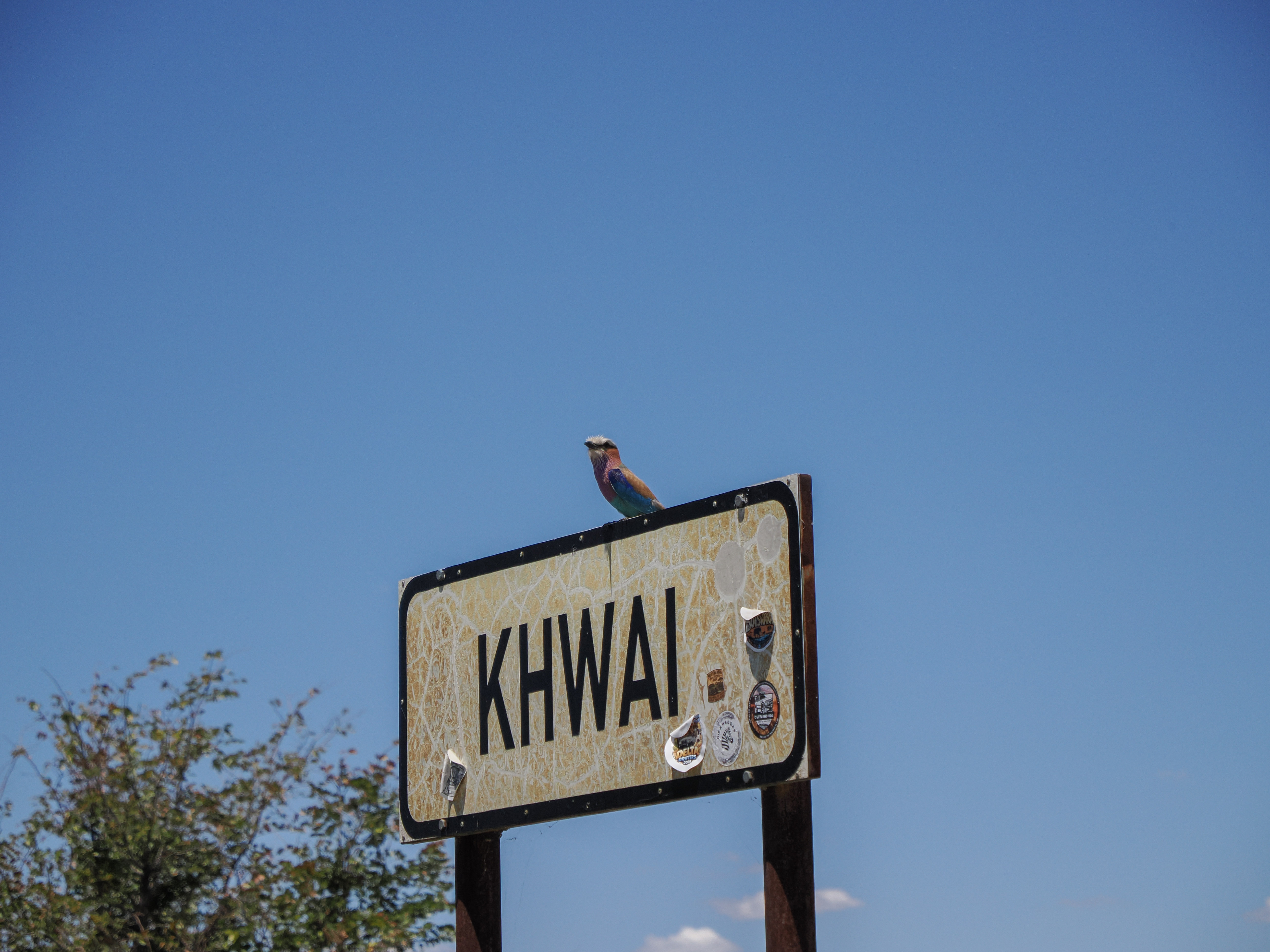
In our last community we did research in – owned by the village of Sankuyo in Kaziikini – I was just getting used to the rhythms and way of life of being a Round River student. In that short time, I felt I had lived months with the amount of new information and excitement I had experienced. But now that I am more knowledgeable in the routine of our research, I look back and find a growing appreciation for the quiet and subtle moments that were woven throughout my time there. This time around, I tried to pay more attention to these moments.
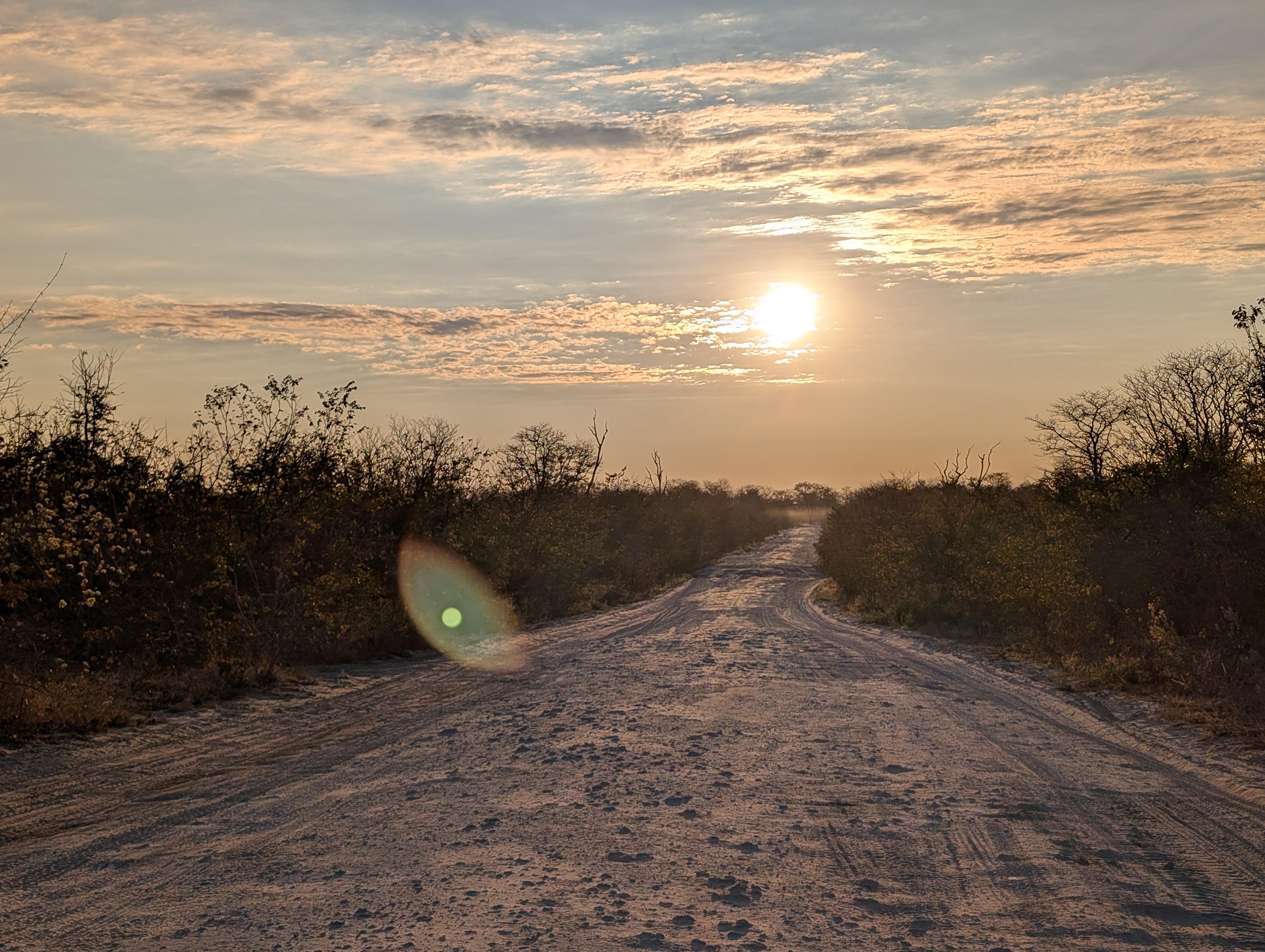
Rising before dawn, awaking to the melody of birdsong just beginning outside my tent as the first rays broke over the horizon, I felt a calm in the air. It was before the hustle and bustle of everyone awaking, before going out on transect to collect data, perhaps before I even felt awake. These are the moments when your brain doesn’t cloud the present with its endless thoughts of the past, worries of the present, and concerns of the future. I believe this is the state, attempting to be purely in the moment, when one can be more deeply connected with nature and thus are revealed the subtleties of that instant. I got up, got dressed and unzipped the tent after collecting the things needed for the day. Putting on some water for the kettle, I sat down by the chairs circling the campfire. Just sitting there, I began to just take in the surroundings. It was a beautiful morning as usual.
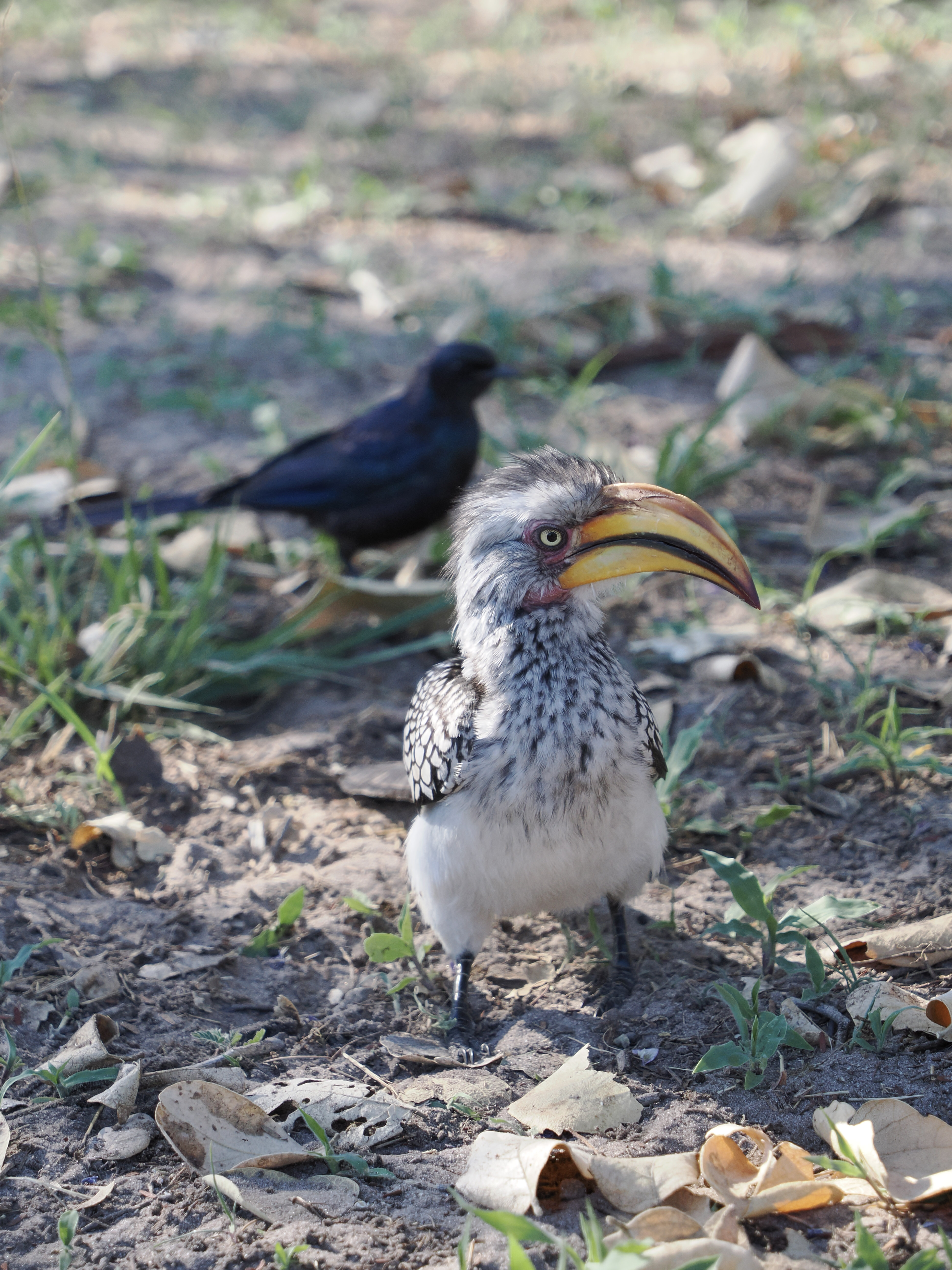
On the ground, our camp’s usual friends scurried about. A Starling cocked its head curiously at me, looking up occasionally as it ran over the sand, perhaps wondering where the food was that always seemed to appear here. Nearby, a few Hornbills flew down from the trees and began flicking away at freshly dug ant mounds that had appeared overnight. I pondered it curiously as one of them grasped an ant and pinched it in its long beak before flicking it in an arc through the air into its open mouth. The Starling watched as well, but was apparently uninterested in the Hornbills’ food prospects.
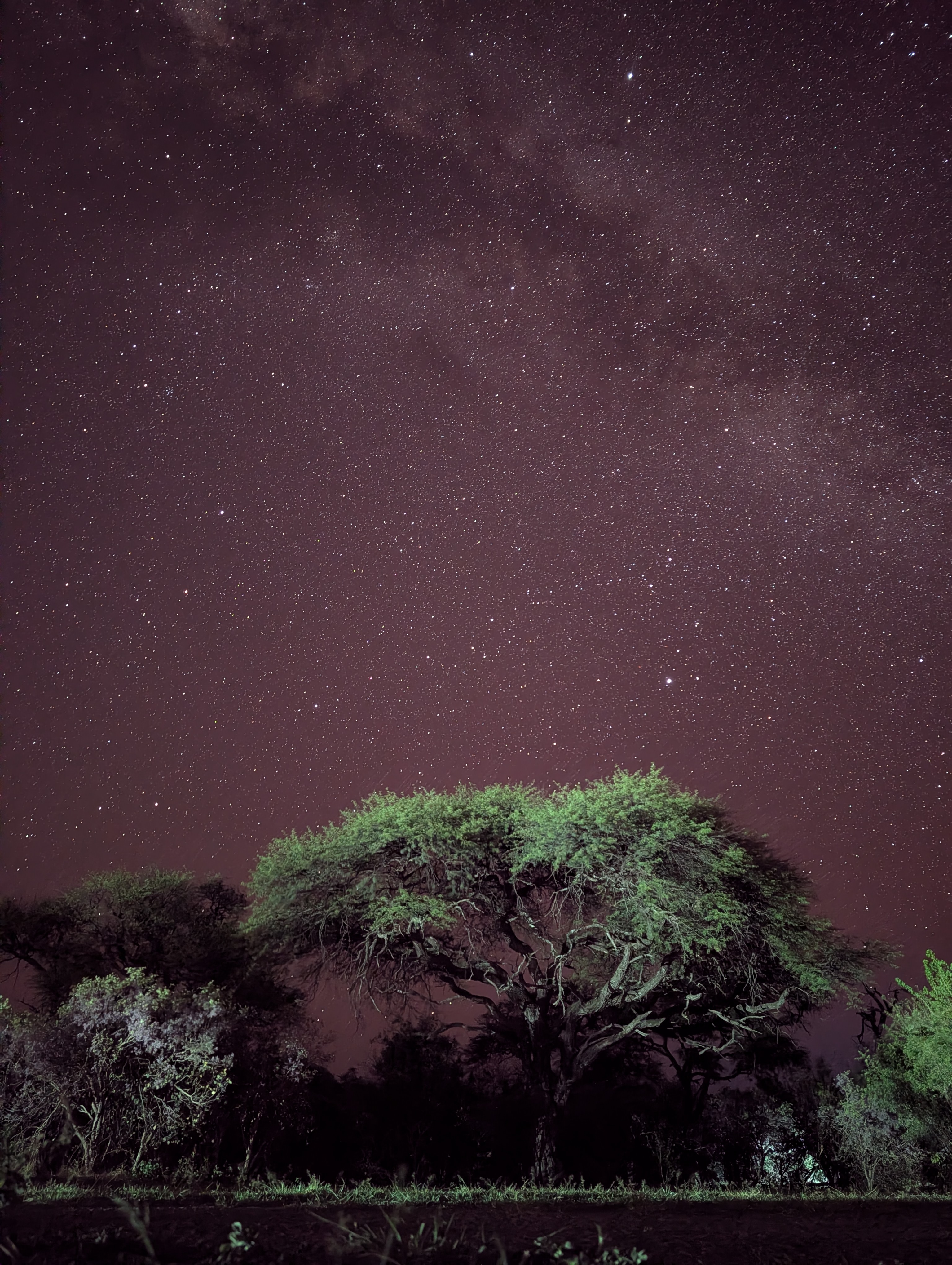
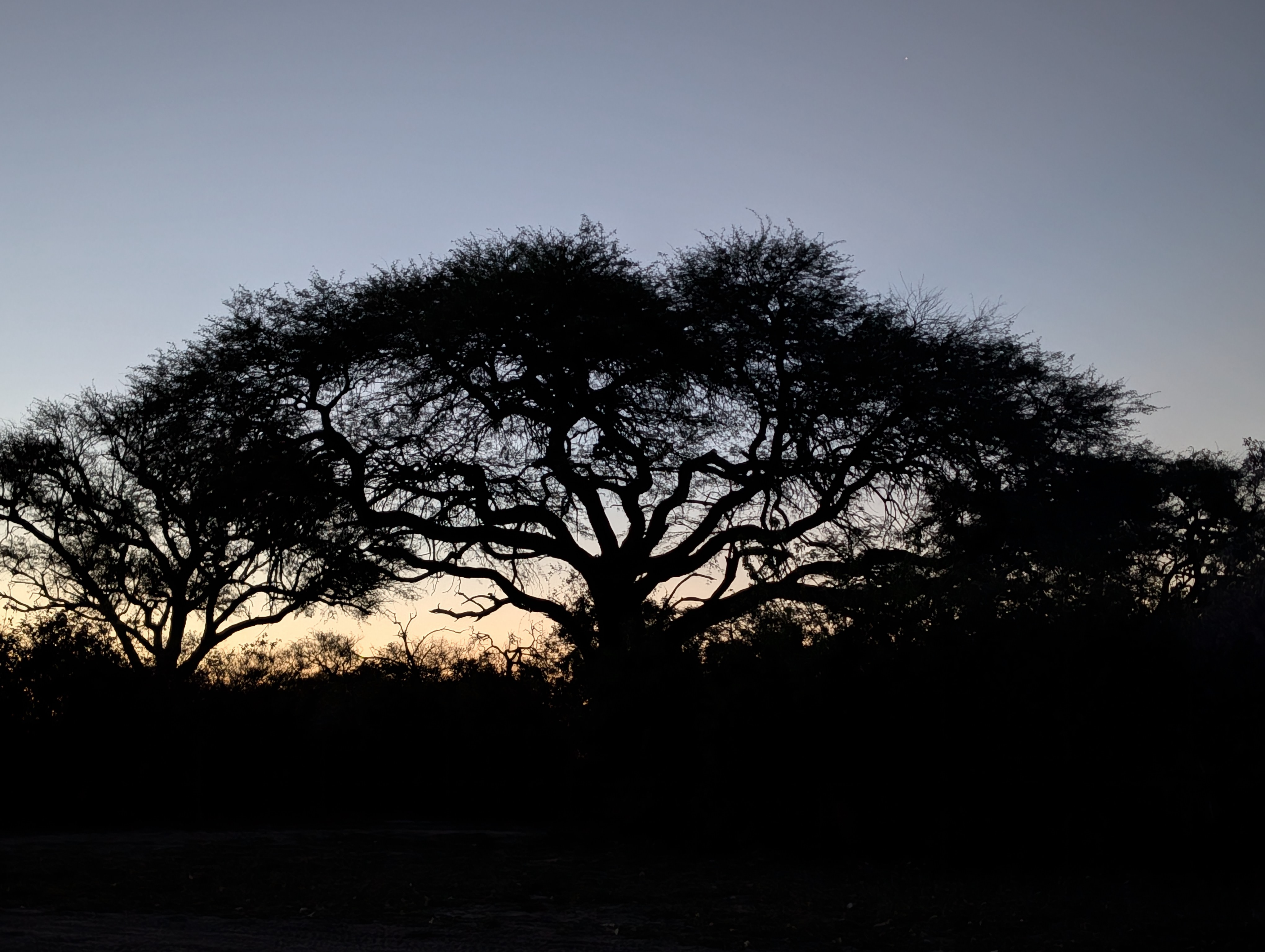
Overhead grew an old and gnarled Acacia that I would come to appreciate once the heat of the midday came. Taking the time to look around me in this state of presence, I looked up. Curiously, on one of the high branches above me, I noticed lines of pale gray dirt in the bark. It was previously unknown to me, but I figured it had to be some sort of termite, and I was astonished at their capability. A being so different from us, but perhaps with more similarities than we might think. Going about their day, working to further the future of their colony. I admired them and their tenacity. Beyond our camp, only a dozen or so meters away, lay an even larger Acacia, with its branches the size of small trees spreading out over the neighbouring campsite. Its presence was palpable and only more so when it became silhouetted as the day became night and the beating sun gave way to a silky silver moon.
By noon the sand was too hot to walk on barefoot and the air seemed to shimmer. Too hot for transects, too hot for much of anything, so most of us retreated to the shade of the old Acacia with a book or a journal. At first I felt restless, like I should be doing something. But after a while the boredom turned into something else. A dust devil spun up out of nowhere and wandered across the clearing before falling apart. A few impala lay in the shade of a tree just past camp, flicking their ears at the flies. Nobody was in a hurry, not even the animals.
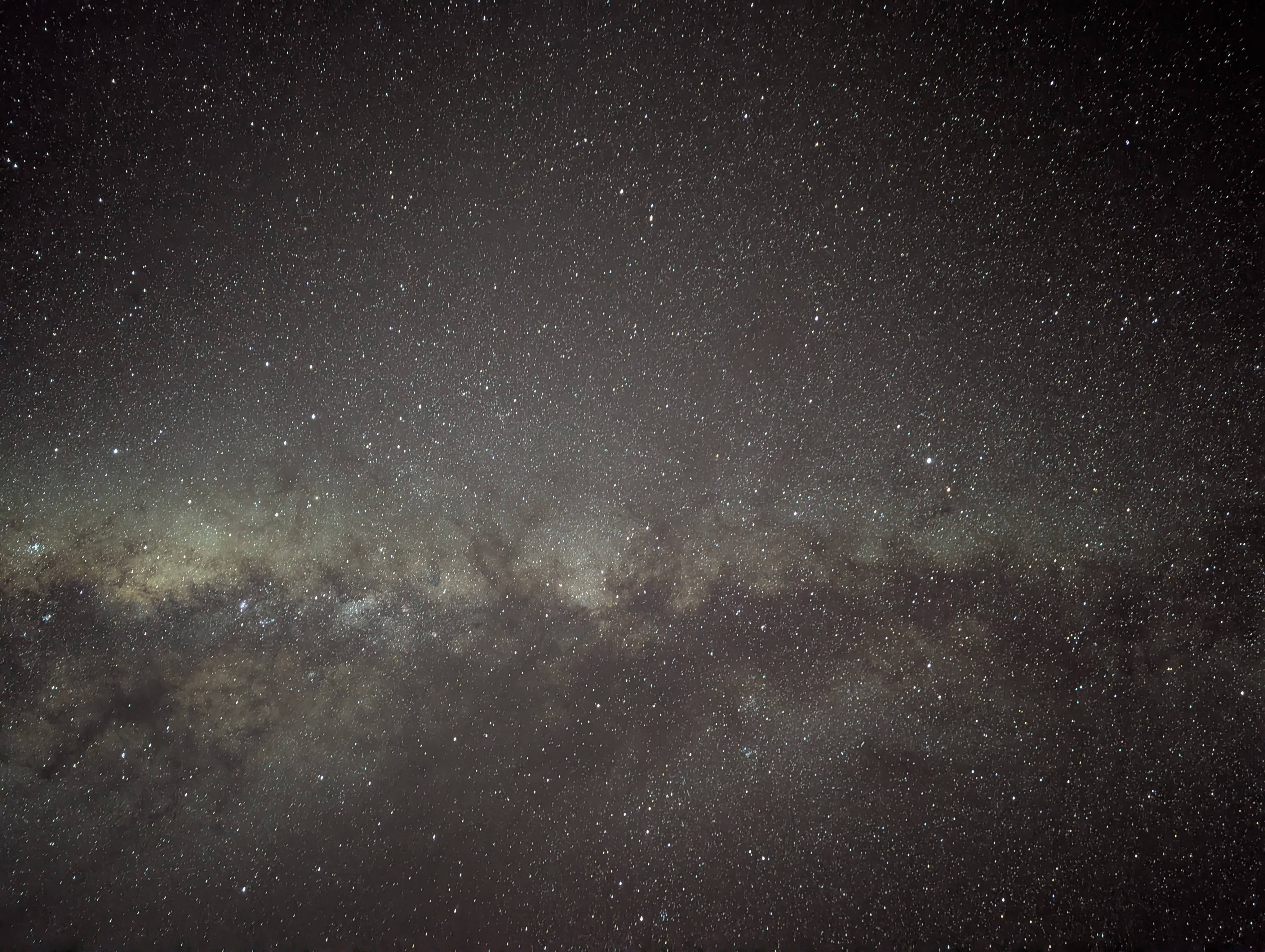
The night brought with it a cooling breeze, so welcoming, and the most majestic night sky I have ever seen. A dome of endless inky black dotted with the pricks of dazzling starlight. Cutting across rested the elusive Milky Way, dashed onto the empty void of outer space like a kaleidoscope of mystery. I thought it sad that the majority of people today – so distant from nature – never get to see this beautiful display. It made me think of how many past humans and animals have looked up at these very same stars and had this same wonder. It is easy to lose appreciation for something given to you every day. But as I get older, these moments feel more and more like gifts from nature, given freely. Robin Wall Kimmerer writes that a gift carries an obligation to give back. Maybe that’s the balance I keep coming back to: the busy days and the quiet ones, taking and returning the favor.