
By: Cedar Greve, Bowdoin College
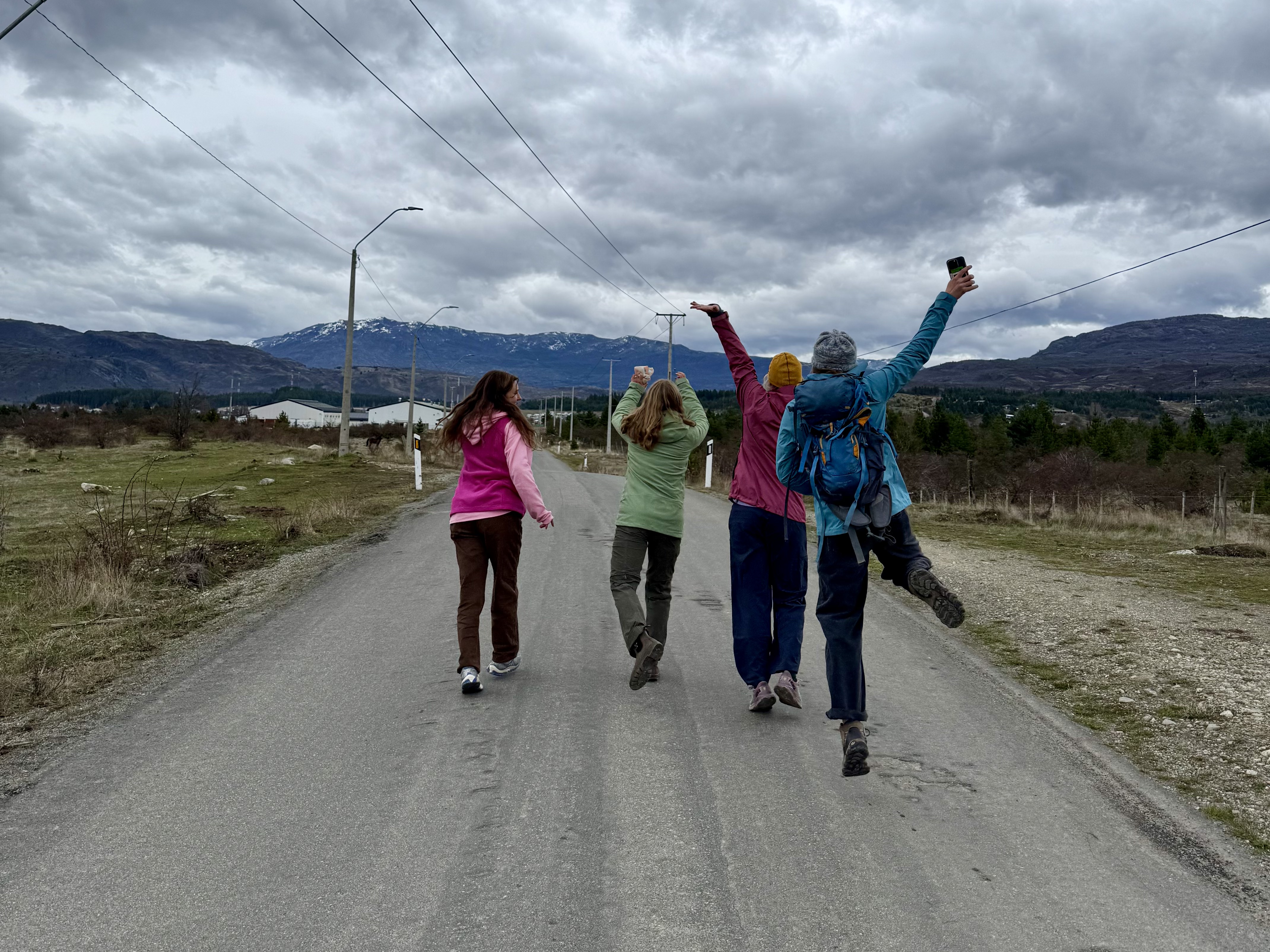
When preparing to spend three months on the other side of the world, there were many adjustments I anticipated. I have done my fair share of camping, but I knew sleeping in a tent for that long would be a new challenge. I have no prior experience with field work and expected that the nontraditional classroom might be an adjustment. As a group of twenty college students and instructors coming from our own corners of the earth, we knew it would take time to find our groove. What I wasn’t prepared for was the fact that I would be, quite literally, on the other side of the world.
On the car ride to our basecamp in Cochrane, after a week of orientation in Coyhaique (which included first classes, a couple banger field trips, and a slightly embarrassing scavenger hunt around the city), our instructor Cal explained the meaning of the term austral. Austral refers to the southern hemisphere, complimenting the boreal of the north. Many local species, Australia, the aurora australis, and even a local cerveza owe their name to this descriptor. My first week in Cochrane was marked, above all else, by adapting to this, to the austral.
We arrived in Chile at the beginning of Spring. While my friends and family in the north are gearing up for winter, shorter days and cold weather, I will be gathering their daylight and warmth. Our basecamp at Aquasol is home to many creatures, including a roaming herd of sheep. I found myself disoriented, having left the farm I work at in Vermont after all the animals had aged up, finding a new lamb wandering past my tent each morning. I knew that the seasons were mirrored across the hemispheres, but experiencing spring in October was another thing entirely. In the past few weeks I’ve watched the barren landscape I flew into, marked by brown shrubs and snow, start to explode with bright green leaves and tiny purple buds.
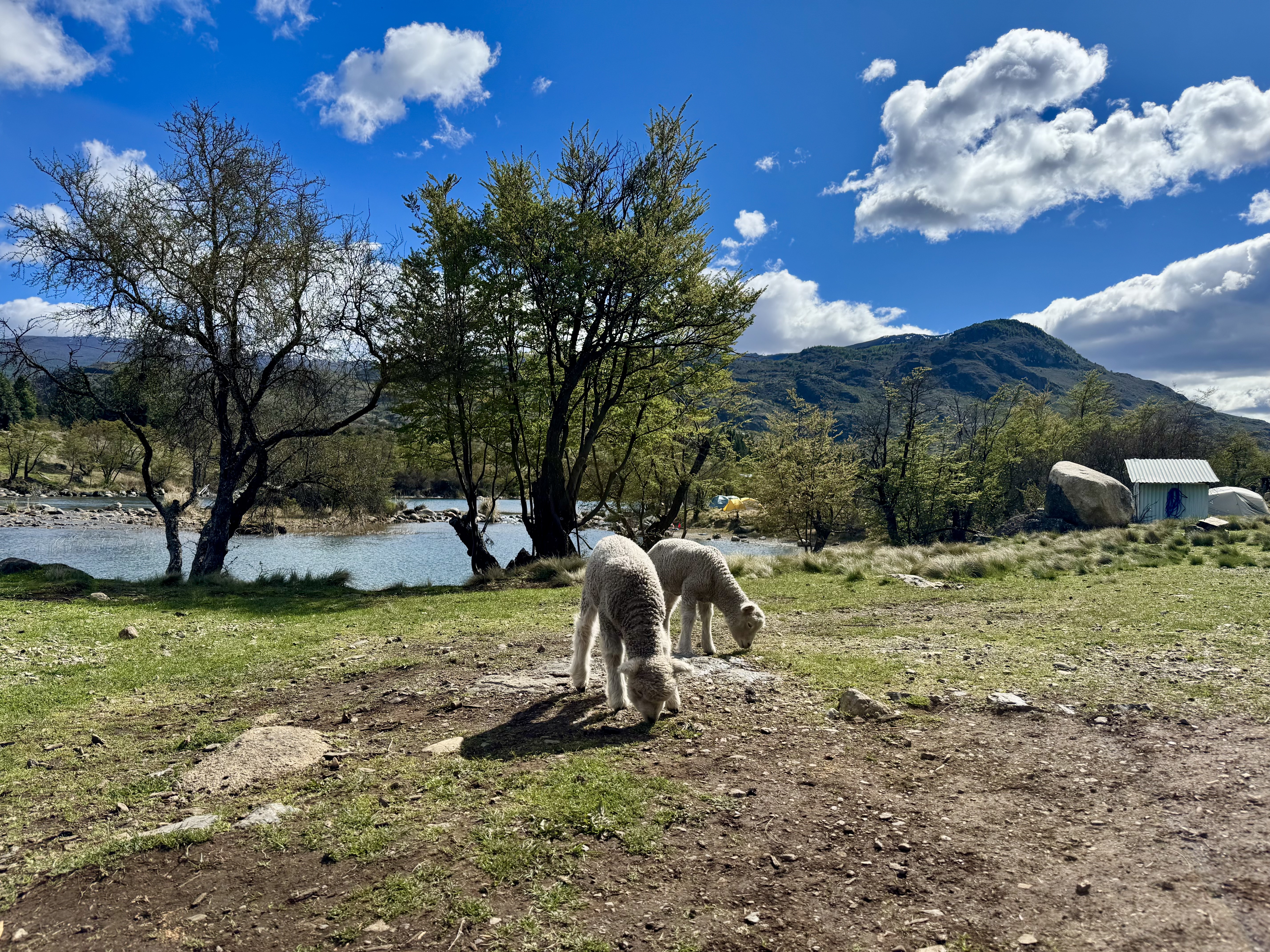
Our first week in Cochrane was focused on acquainting ourselves with local species. I found myself in an alien landscape. It seems obvious, that the plants and animals who inhabit this land would be entirely different than those which characterize North America, but the experience of standing in a forest or a field and finding myself unable to identify a single species around me was uniquely disorienting.
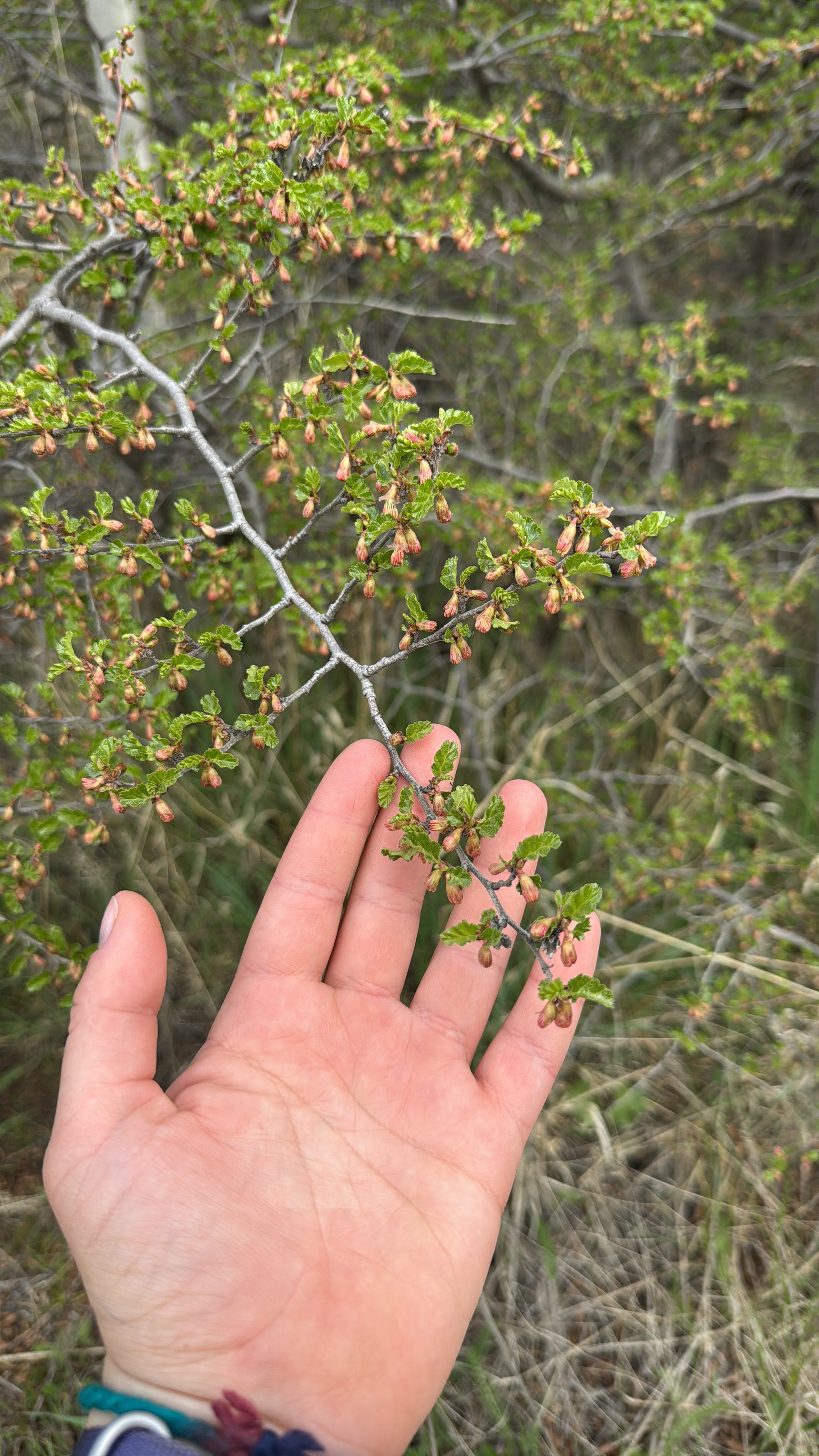
The feeling didn’t last long. With the help of our amazing instructors, local field guides, and the public resource iNaturalist (shoutout!), I quickly found myself able to identify the plants outside my tent, on the walk to town, and alongside the trail during our first backpacking trip. Looking ahead to the rest of the semester, this experience, this process of orientation, is something I am excited for, as each research project and field trip brings us to a new ecosystem.
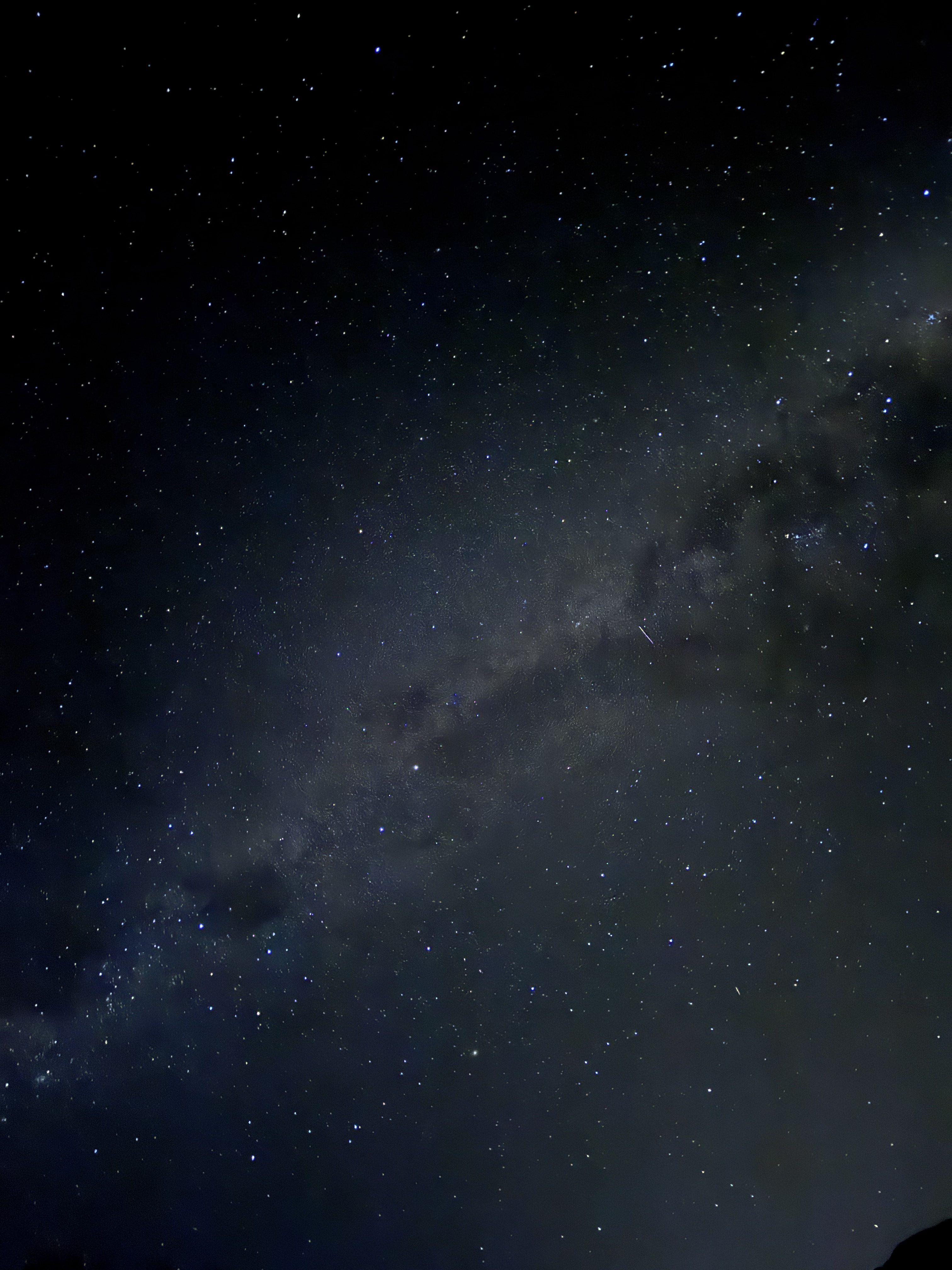
By far the most surprising, however, was my first time looking at the southern stars. I don’t consider myself particularly adept at astronomy. I didn’t think I really knew the northern skies until I looked up and realized I couldn’t recognize a single constellation in Cochrane. After my first week here, I can now find the southern cross, point out Scorpio’s dramatic swirls, and even explain the mysterious light we happily dubbed ‘disco star’ (as Hannah discovered, it’s actually the star Canopus sitting behind the Carina nebula causing it to twinkle red, green, and bright white!)
These first few weeks in Cochrane have been accompanied by a complex pool of emotions: awe, excitement, fear, homesickness, and frustration. Many moments have challenged me, from a particularly steep section of our hike back from Lago Cochrane to the chaos of packing for our backpacking trip or the panic before our first species quiz. Many others rewarded me with peace and joy, daily cold plunges in Rio Cochrane, laying in the sun, trips to town and laughter shared with new friends. Yet I keep finding myself, standing out from everything else, full of immense gratitude. Not simply for this unbelievably beautiful place or the amazing people I get to be here with, but for this experience, of disorientation and new familiarity, of austral adaptations.
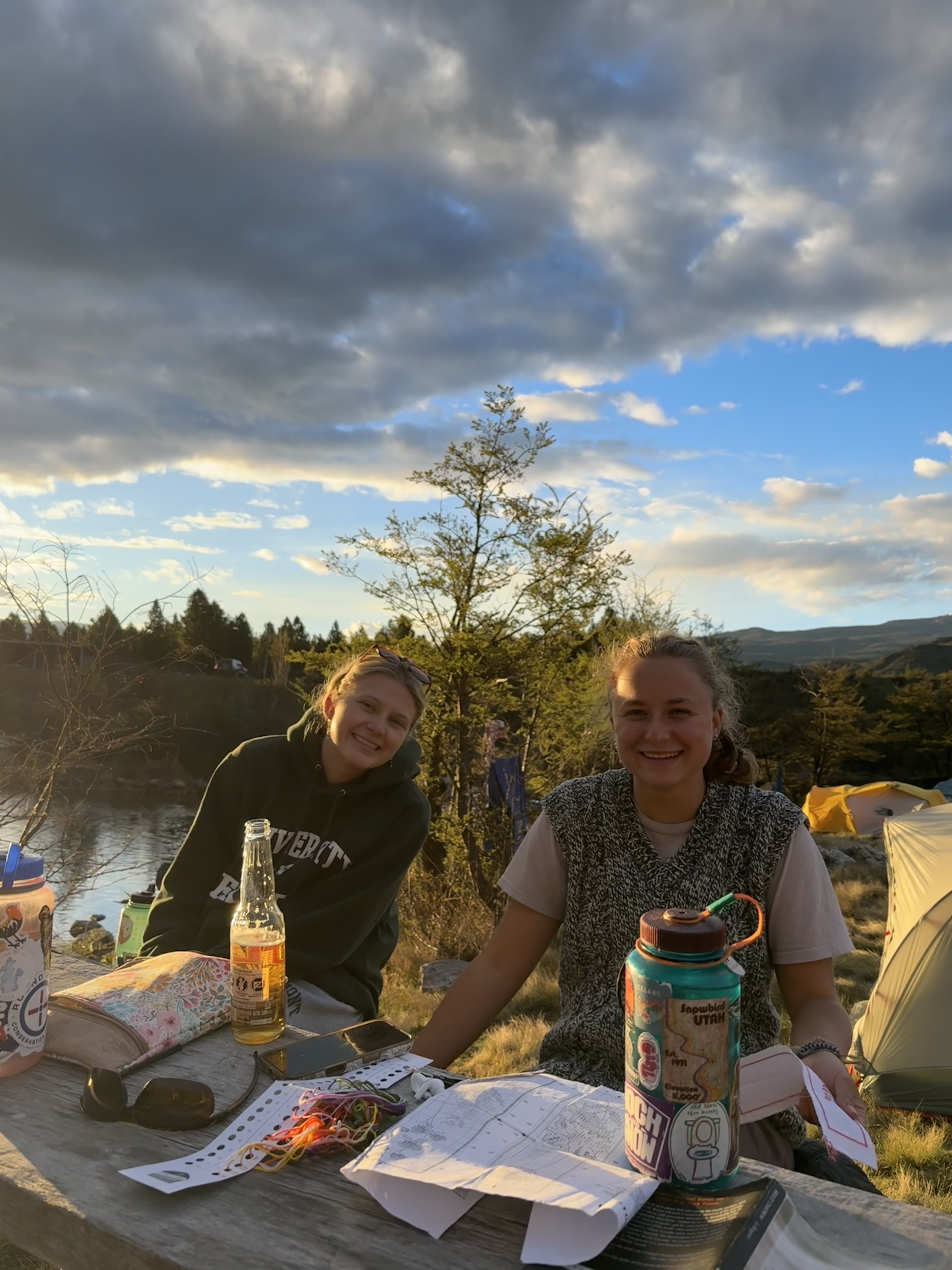
Photo credits: Cedar Greve