By: Tyler Hartman, Roanoke College
My name is Tyler. I am a junior at Roanoke College, studying biology! On this trip, I am researching how climate affects tree growth using dendrochronological analysis (dendrology is the study of wooded plants), but this post isn’t about that!
It’s safe to say we’ve had a busy couple of weeks. We returned from our latest backpacking trip on September 16th, and we were eager to shower in town (and catch up with people, of course). After another couple of days of lectures, homework, and rest around camp, on September 20th we made our fateful 14-mile trek up to The Notch…
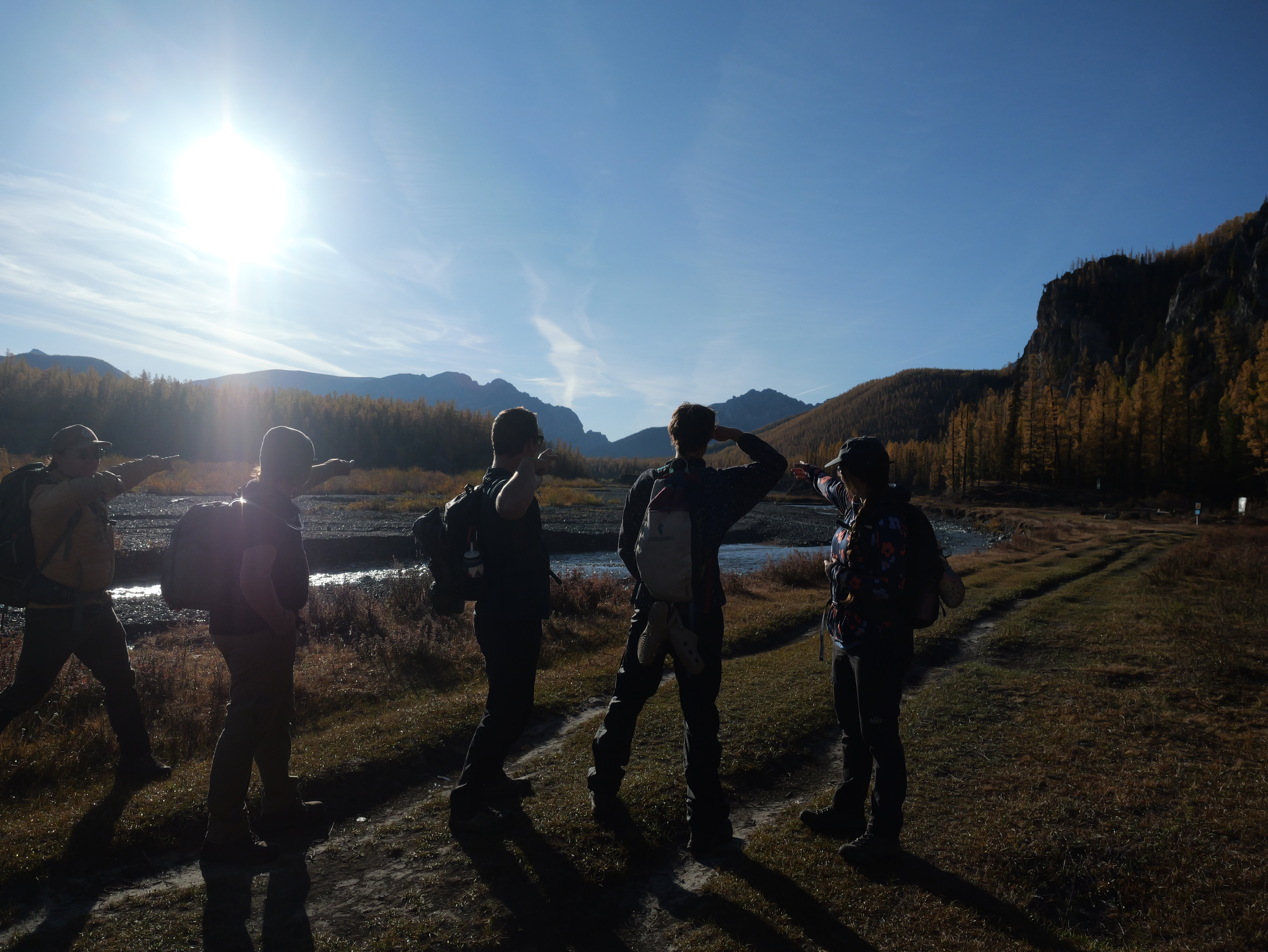
We had an 8:00 am start and set out along the Mungash River. We ended up having to double back as we got a little side-tracked heading up the drainage and didn’t check the map. Once we corrected our course, we were about halfway to the notch. We got to the point where we met the Mungash again, and we had to cross the river. Let me tell you that water was COLD. It was very interesting to look at the clay along the riverbed, I would have loved to take some home with me. The salt lick is this huge salt deposit on the side of the mountain on the way up to the notch. There is a camera there because animals love licking the salt from the rocks, and we can capture some really good photos, and it’s the last landmark you reach before you get to the notch. The last mile of the hike felt like it was basically straight up. Along the way, we saw bits of elk fluff stuck to a branch, and we even saw some wolverine scat! We could tell it was mustelid, and Dave was the first to suggest wolverine. We took pictures and consulted with an expert after returning, and sure enough, it was from a wolverine. We ate lunch, took some pictures, and decided it was time to head back around 2:30.
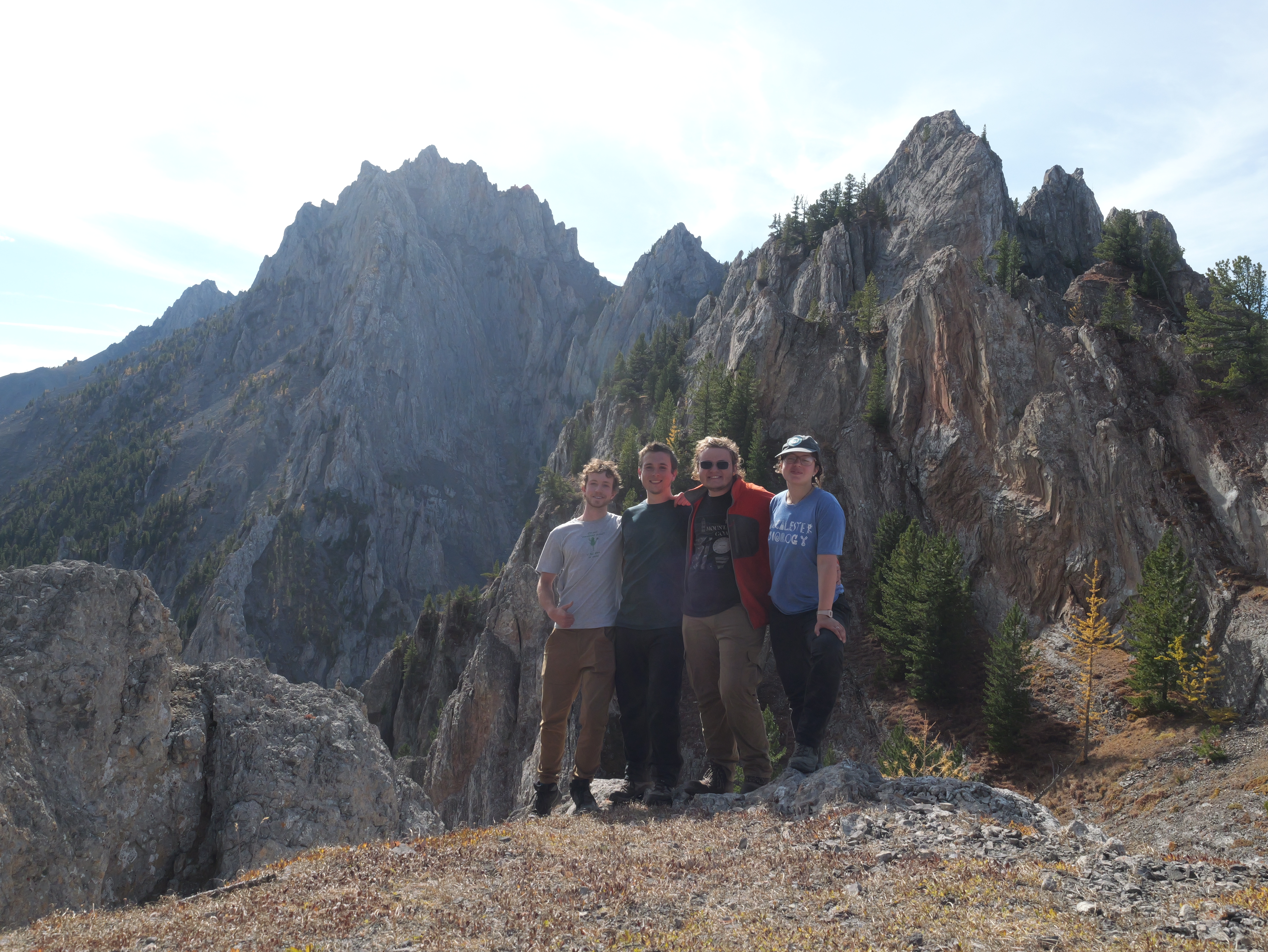
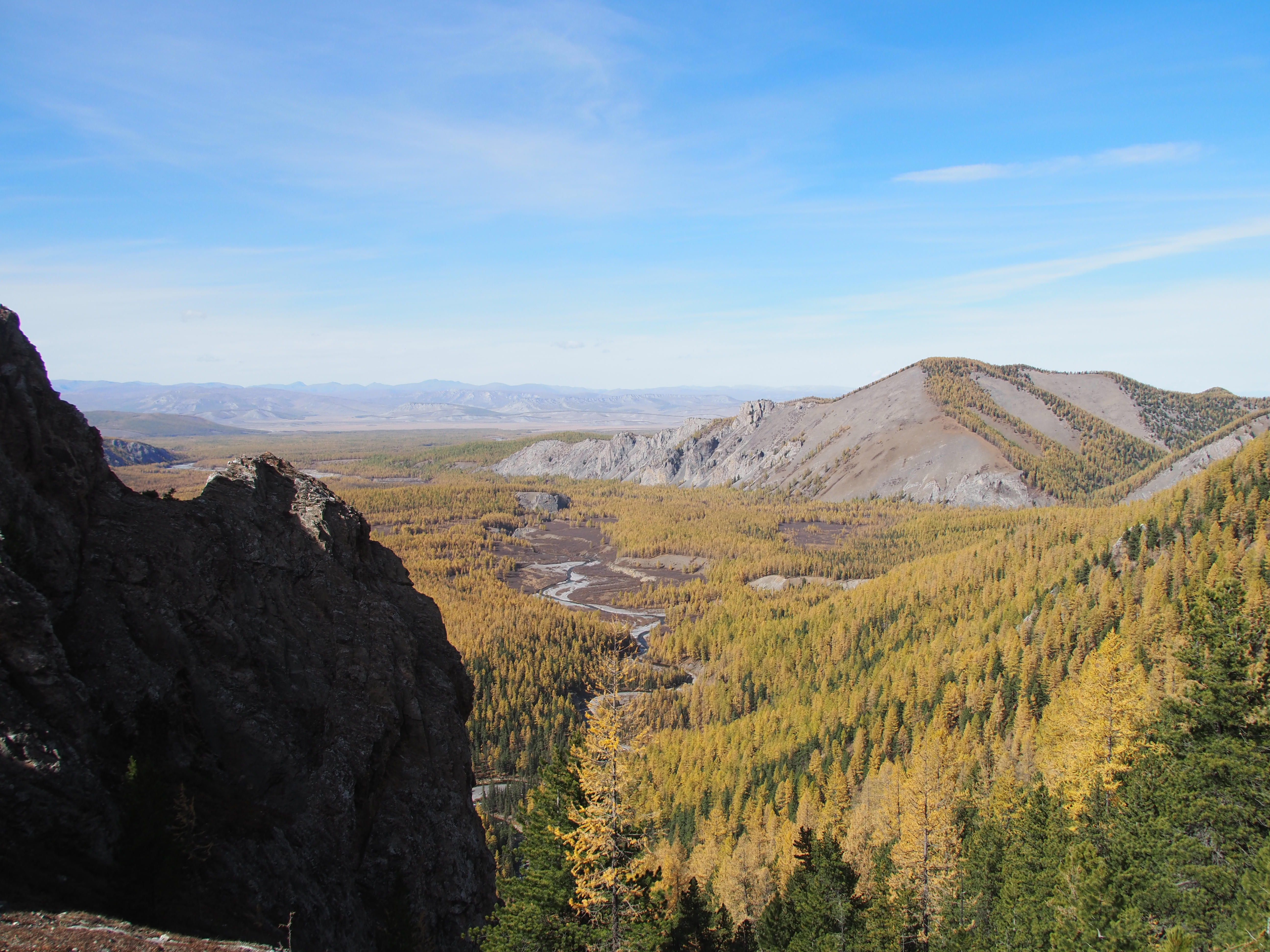
As we headed down the mountain after collecting the notch camera, we heard multiple, very loud elk bugles! We were able to hear what sounded like a whole conversation, likely between a male and a female (it is mating season after all). Once we had all met back at the salt lick after going back down the side of the mountain, we split into two groups. One group went to change the final camera trap, and the other was tasked with the mission of finding Owen’s water bottle, which had fallen out of his bag on the way to the salt lick.
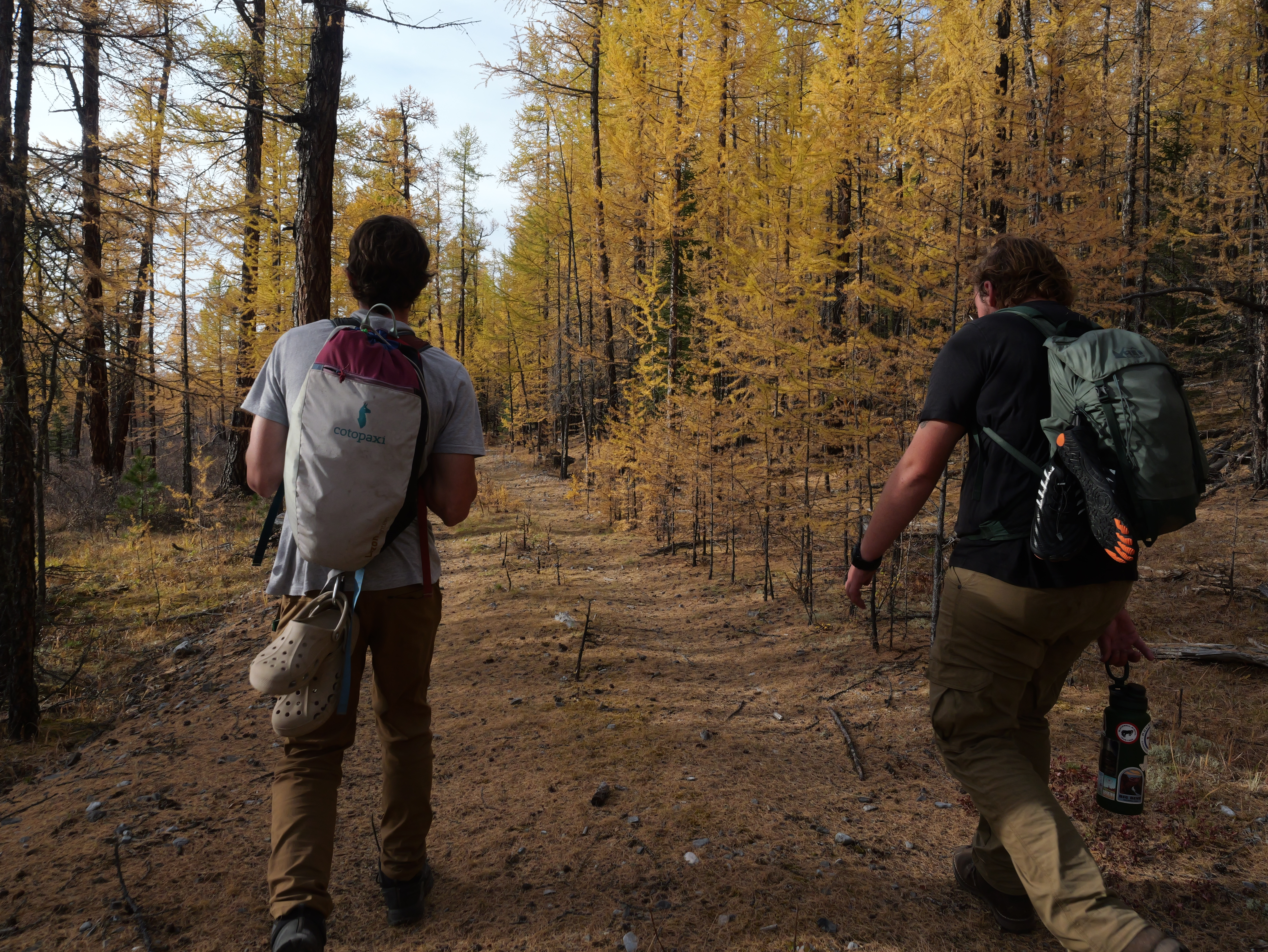
We reunited back along the Mungash closer to camp, and Dave had found an elk antler on the way! It was likely a 6 point, and there were signs that a wolf had chewed on it. We all got back to base camp around 6:30 and slept like logs that night.
On the 24th, we were set to change the fabled camera 20. This included a 22-mile round trip with over 3,000 feet of elevation gain, plus a 6:00 am breakfast and a 7:00 start. However, the assistant instructor, Erin, and I were sent to find and change camera 31. A much shorter hike of only 10 miles, but once we returned to base camp, we had to walk out past the edge of the forest which surrounds our humble pen and finish the last two Daurian pika plots. Say what you will about hiking, but two people measuring 200 individual blades of grass right after completing a hike is just about as tiring. Along the trail, before the camera, Erin and I saw a whole bunch of beautiful scenery and a couple of piles of wolf scat! We checked a couple of the photos while we were there, and it was mostly pictures of elk except for one very excited squirrel. We replaced the SD card and the batteries, munched on a bit of trail mix, then headed back to camp, all before 11:00.
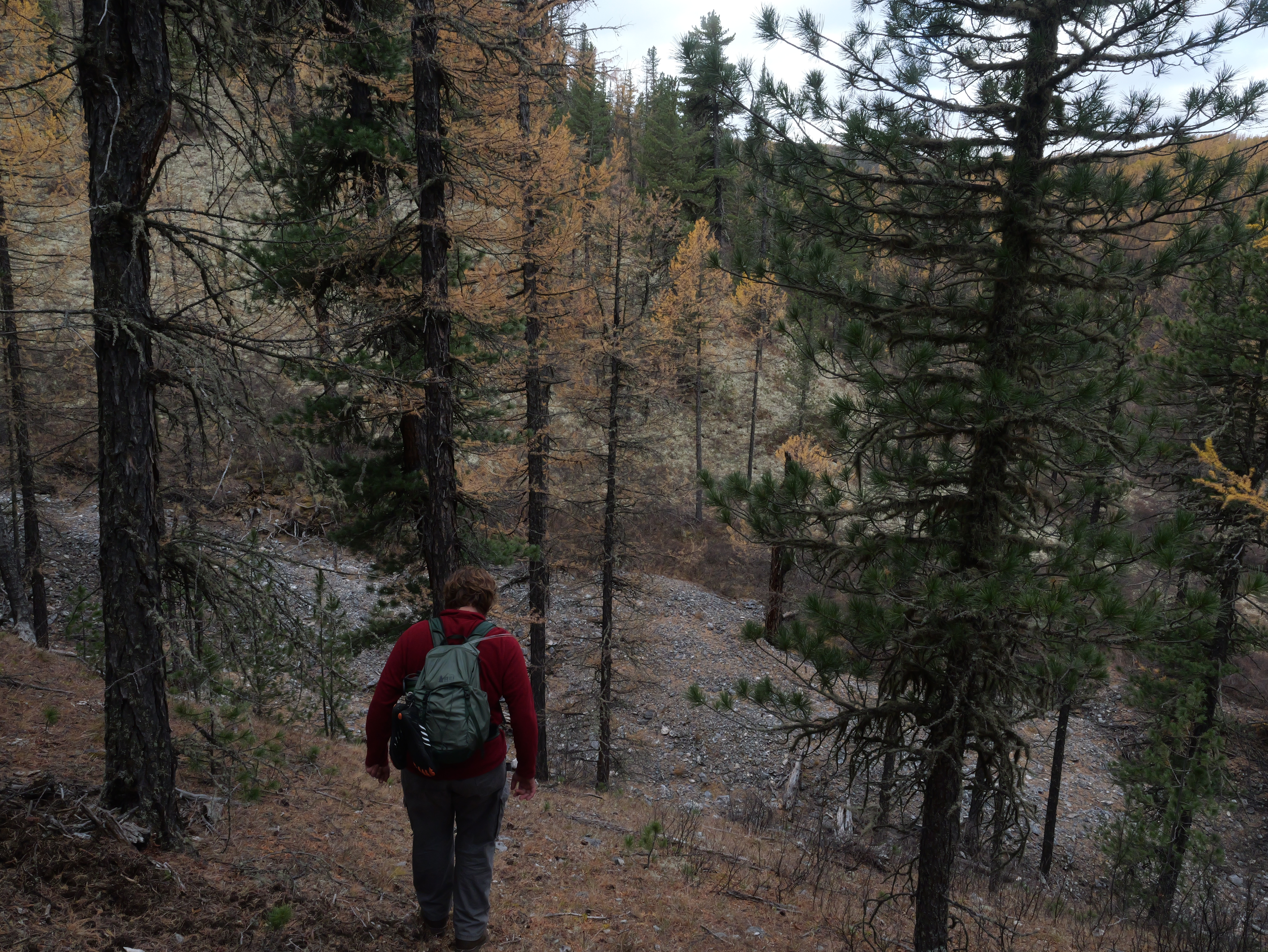
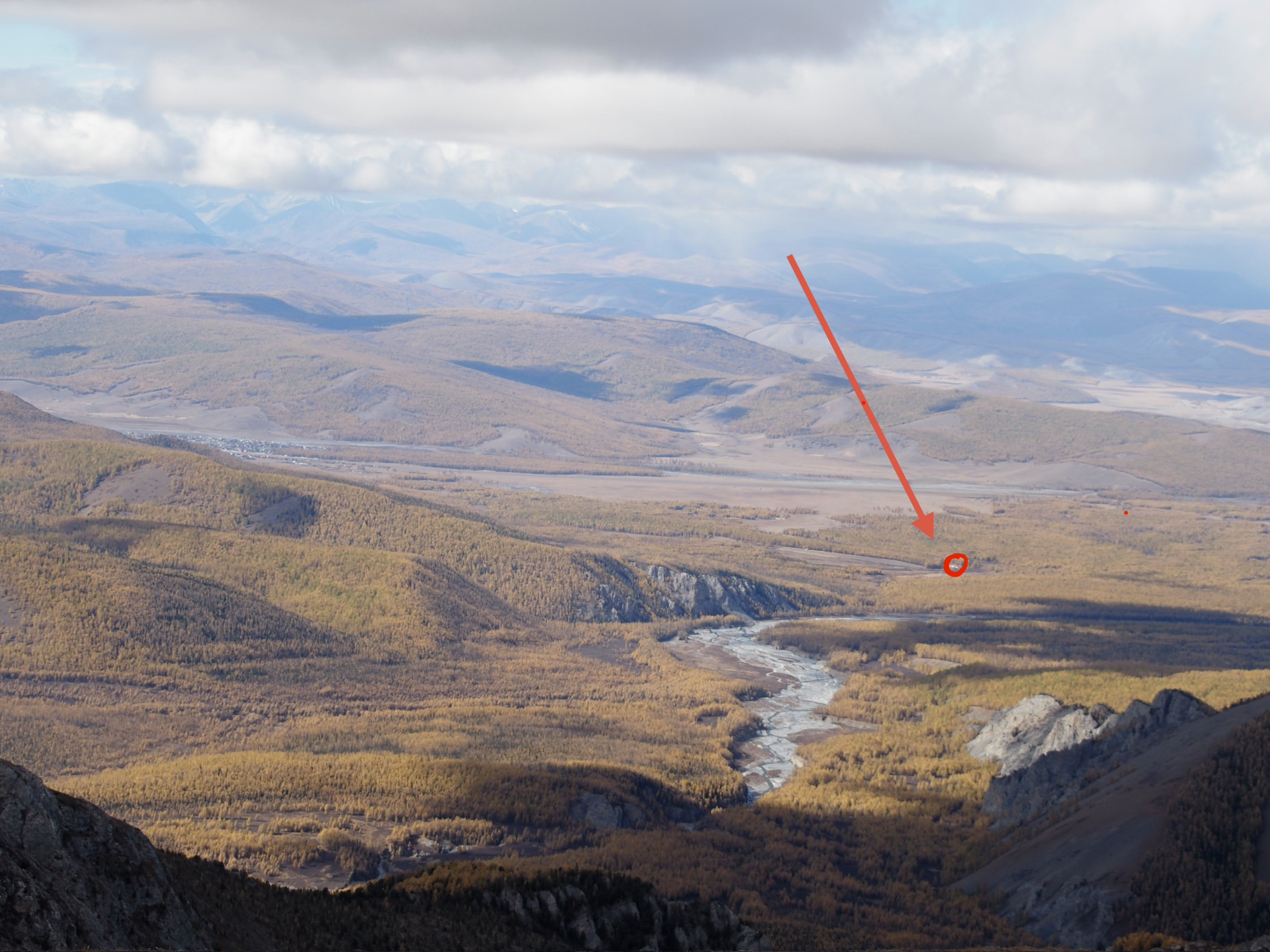
We were within about 30 minutes of camp when we decided to stop along the river and eat our lunch. The walk back to camp after the pika plots was tedious, but at least we had cats and a ger waiting for us. The rest of the group didn’t return to base camp until about 7:30pm, very visibly exhausted. Aamka had soup ready basically the moment their boots reached the gate, and we were all incredibly grateful.
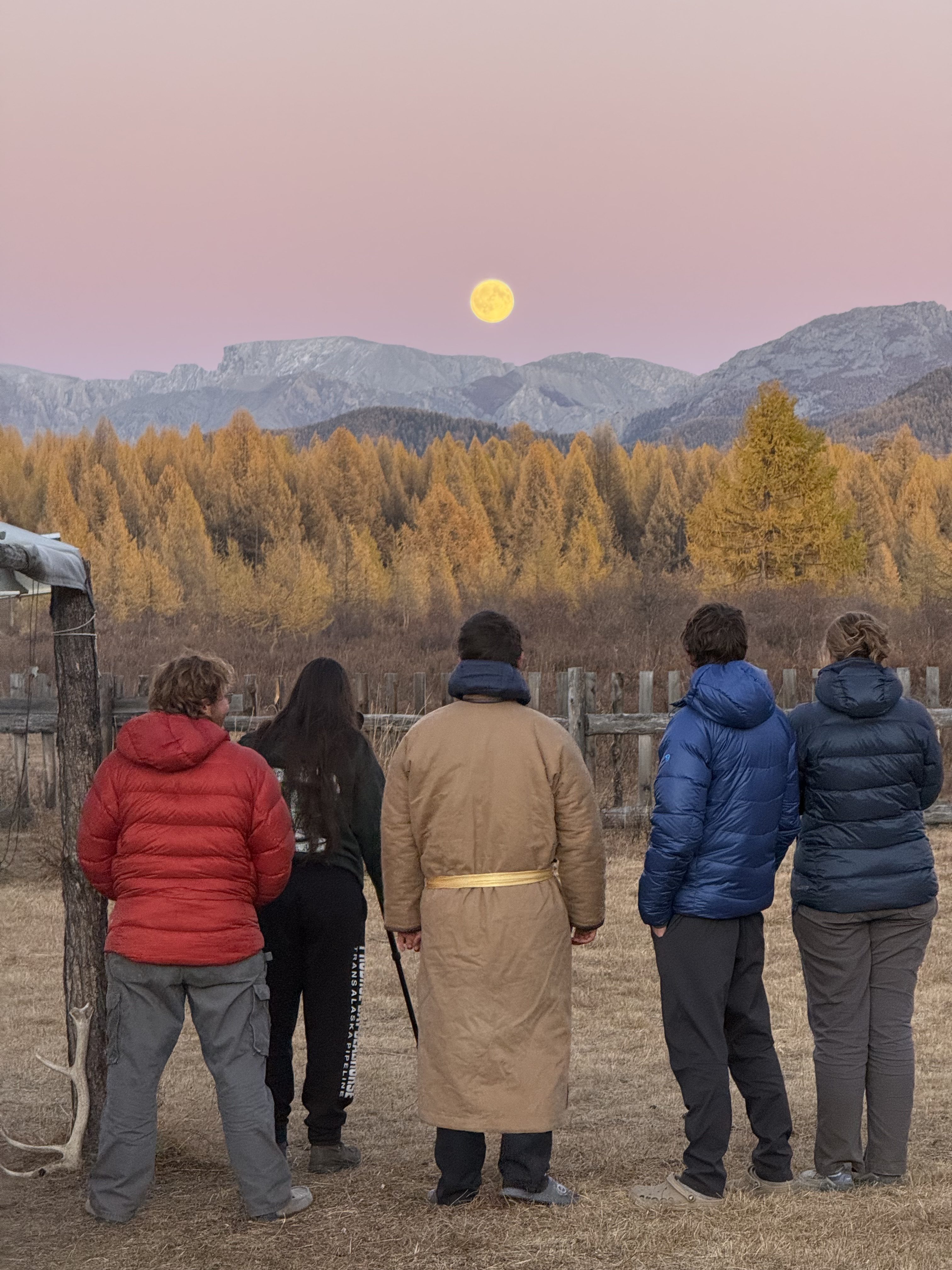
On the 28th, we were planning on splitting into groups of two once more, but Owen had fallen ill and was unable to join us. This meant Erin had to stay with him while Dave took me, Milana, and Jamie, on a much shorter hike. We actually hiked almost the exact same way that Erin and I went just a few days prior, when we collected camera 31, just with a couple more stops. We were going to survey talus plots that were along the way and one that was just beyond the camera. We were looking to see if there was evidence of pika presence in each of the plots, which would be indicated by hay piles (food stashes) under rocks. I think it was the coldest day yet, at least the coldest hike we’ve been on. We started with two plots, then ate our lunch near the second plot. We each had a tuna salad sandwich that Aamka had made for us (much like the past two hikes) and they were delicious. I probably could have eaten three more but unfortunately, there was no option for seconds. We headed to the final talus plot, which was right next to camera 31, but it was up an incredibly steep hill covered in moss and lichen, so it was incredibly difficult to hike up (although relatively easy to get down). It was a beautiful area, but from the bottom corner where I was stationed, it was almost impossible to see the whole plot. We managed to find little piles of hay in every plot, which indicated pika presence, as they were stocking up for the winter. We were all told during our first backpacking trip that the size of hay piles would indicate if the area will experience a harsh (big piles) or mild (small piles) winter, but I’m not sure what to expect, given that we have seen a variety of both huge and tiny piles while collecting data across multiple plots.
We finished out the month of September with a midterm for our applied ecology course and time to work on our projects. Just before we left for our last backpacking trip, we ended up getting a kitten and later, another (bigger) cat! Bumbaa (the bigger one) has been spending most of her time in the kitchen ger, ; she is very lovey and very bitey, while baby kitty (aka Bob) has been stinking up our academic ger (she is still learning to clean herself).