By: Milana Krishnevsky, Macalester College
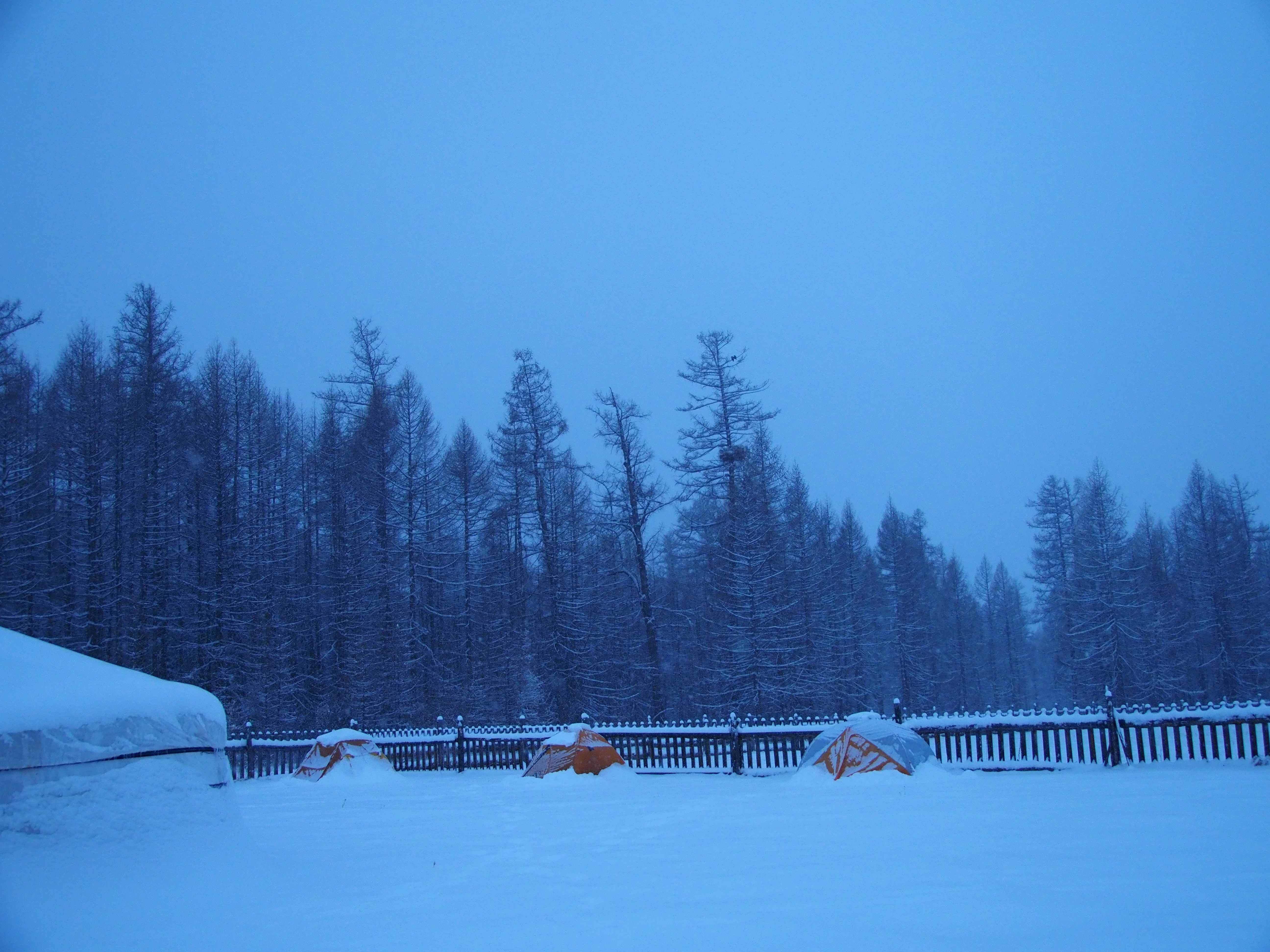
Back in the US, October trees are still in their autumn foliage. Here in Mongolia, evergreens and snow dominate the landscape. With only a month left in the semester, we are spending an increasing amount of time working on our projects indoors. However, there is still a lot to do in the snowy woods. As attached as we are to the warmth of the ger, we have been going on walks, finishing data collection, and even starting data collection anew these past few weeks. Most importantly, we’ve been birding.
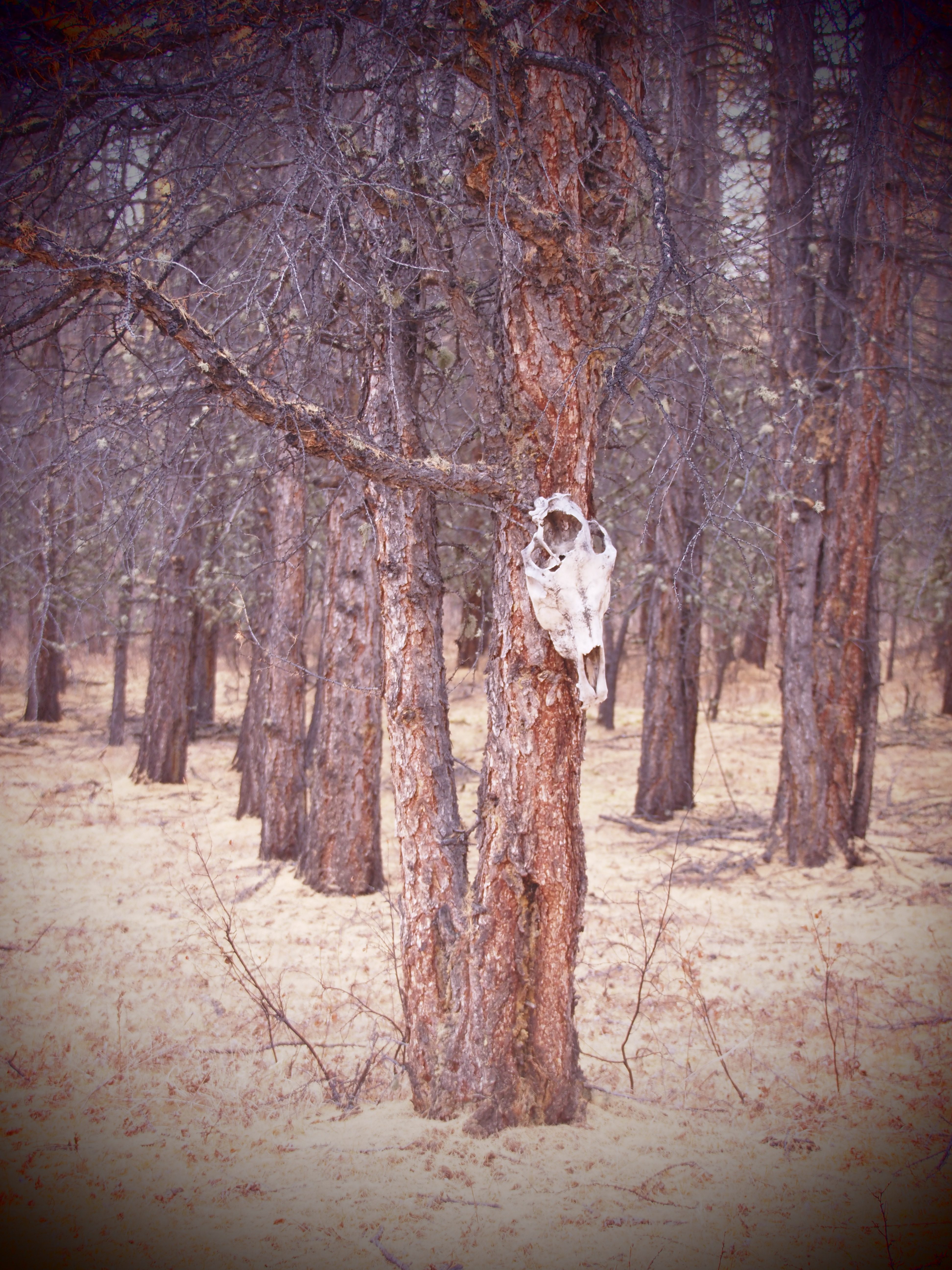
The very first of October, we tested out a new route to the Mungash River. Setting out from basecamp on an overcast, chilly afternoon, we temporarily escaped the clutches of work for some fun. This road, which we had known about but not yet tried, was shorter and, it turned out, more exciting than our previous routes. A few minutes into the walk, we encountered a horse skull. Hanging on a tree next to the road, it had no distinguishable reason for hanging there aside from respect for the horse it once was. Impressed but not concerned, we continued our route.
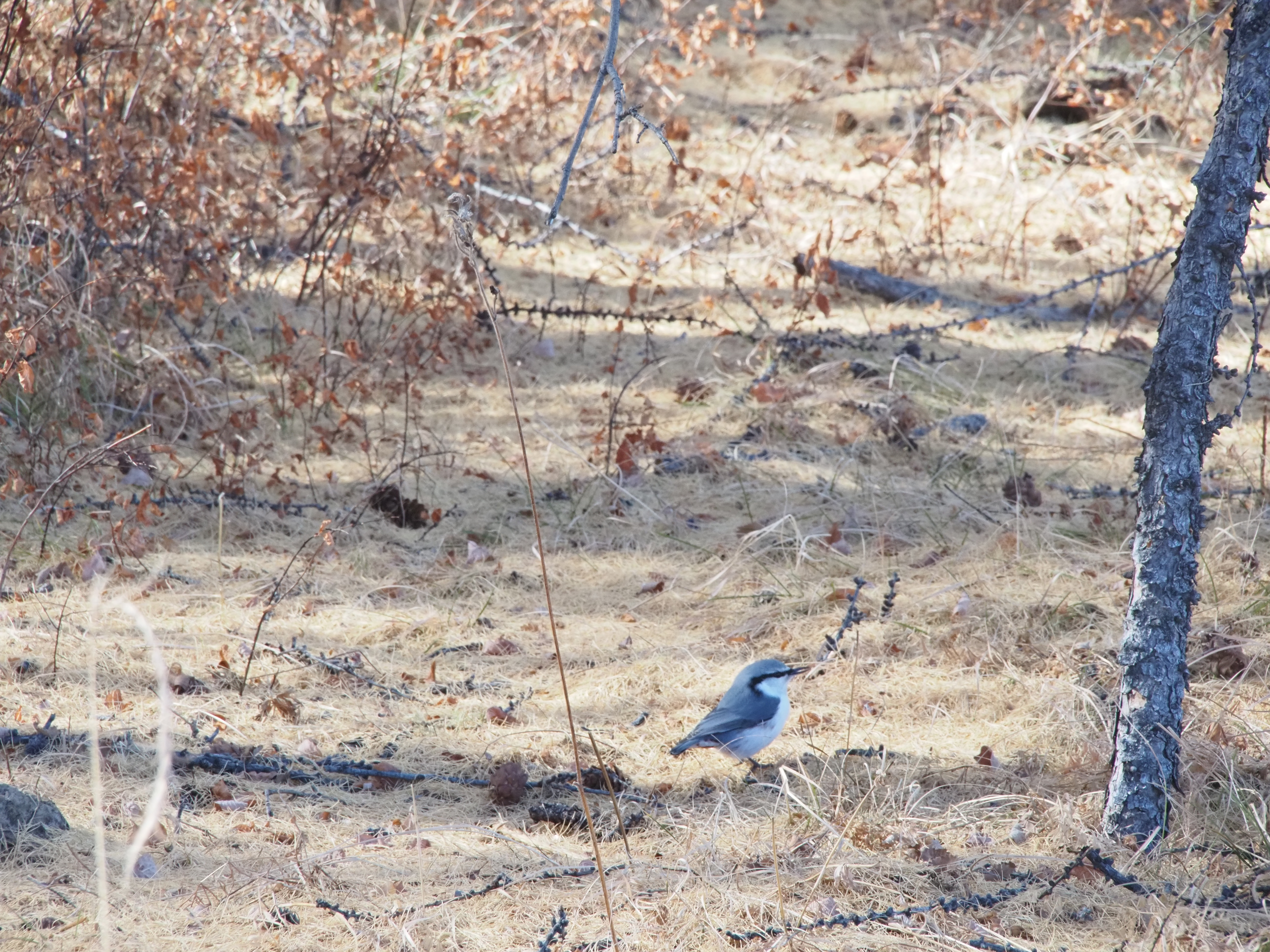
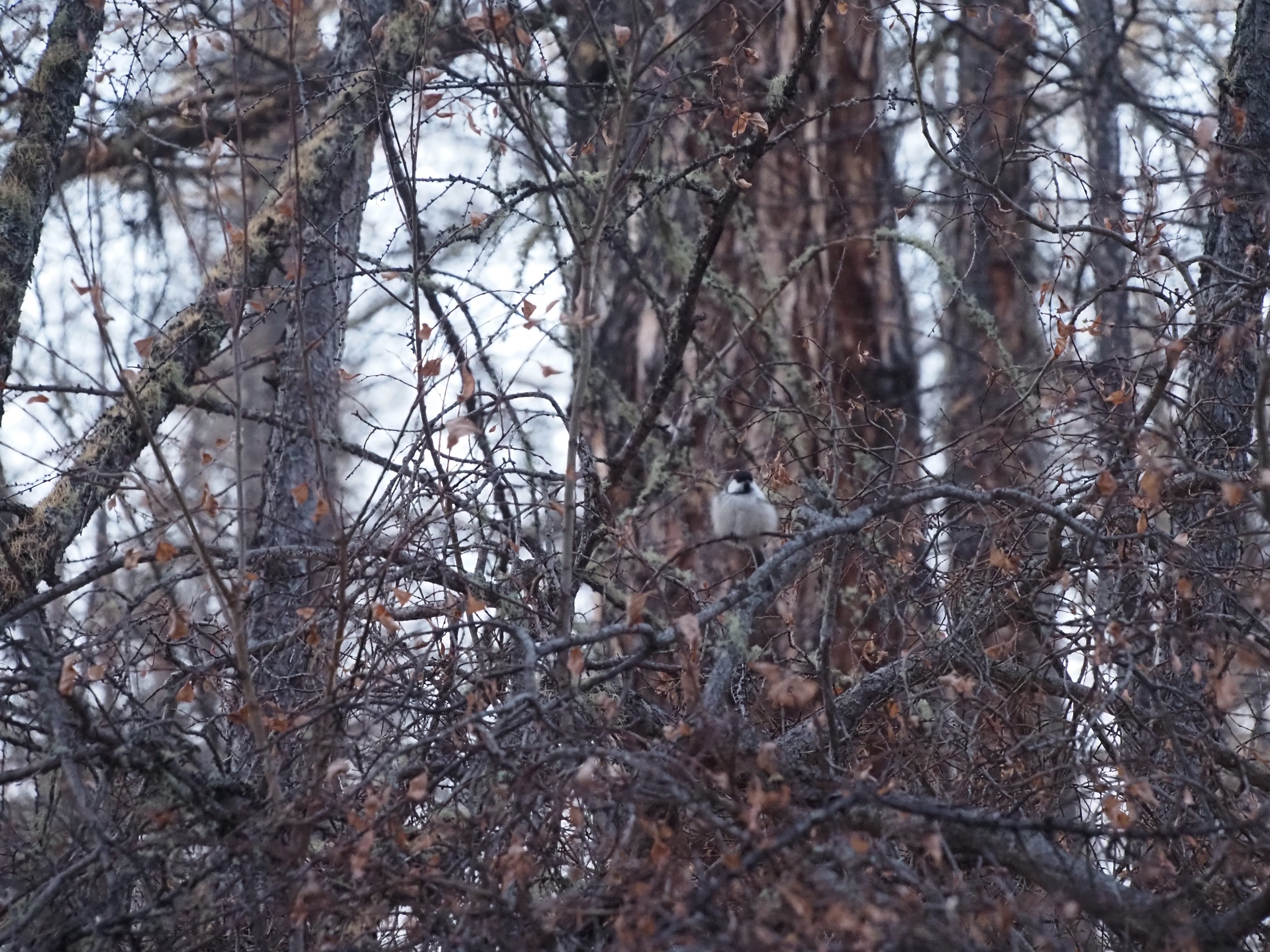
In the trees above our heads, birds were flicking about and chirping nonstop. Erin and I stopped to look at them with binoculars: a flock of Eurasian Nuthatches and Willow Tits, the two most common birds around Basecamp. Despite their abundance, they have their own charm, and Erin and I stop often to appreciate their beauty.
Those were also the last birds we saw before reaching the Mungash. Fully dried out, this section of the river (riverbed, to be exact) was very different from the water-filled, familiar part of it we usually cross. But just like the Nuthatches and Willow Tits, it had its own charm. In the following weeks, we came back to this section of the river more than once. This day, we had one final surprise upon return to camp: three horse skulls, lined up in the spots where Tyler, Owen, and Jamie usually set up their tents. Who placed them there or where they came from, we never found out…
The second and fifth of October, we worked on wrapping up our data collection before the snow fully covered the landscape. The first hike was an easy success, with a quick and uneventful camera collection. On the fifth of October, we had a bit more fun. A little bit into the hike, our group split into two: Dave and Tyler went out to collect two cameras to the southwest of the Mungash, while Owen, Jamie, Erin, and I went one drainage further to our two final talus plots of the semester, each adjacent to a camera. Despite there being no snow at our initial elevation, our first talus plot surprised us with a few inches of snow. With temperatures hovering around freezing, this was not the most surprising. However, it did mean no data collection for the first talus plot of the day. The snow covering the ground obscured our vision and prevented us from confirming that we had found all of the pika’s hay piles within the plot. So instead of data collection, we ate our lunch and admired the pika’s tracks through the snow. One set of tracks I followed led to a ledge under a rock – the first and only hay pile we found within the snowy talus. As we were heading out from the plot, a snowball hit Jamie in the back. Quick to retaliate, Jamie launched a volley back at Owen and me by proximity. Soon, we were having a full snowball fight, which quickly devolved into 3 v 1 as Owen, Jamie, and I kept trying to hit Erin from a distance.
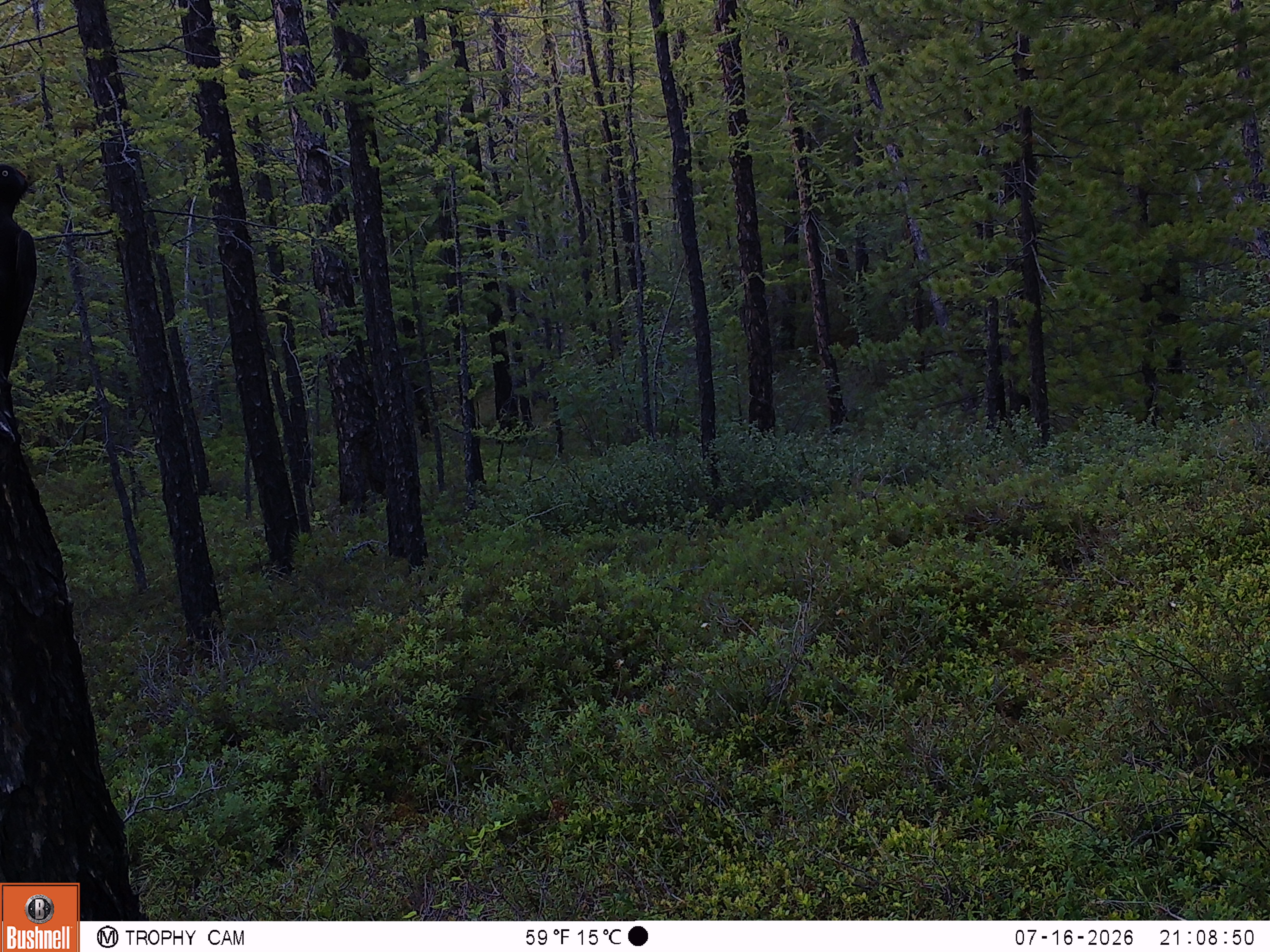
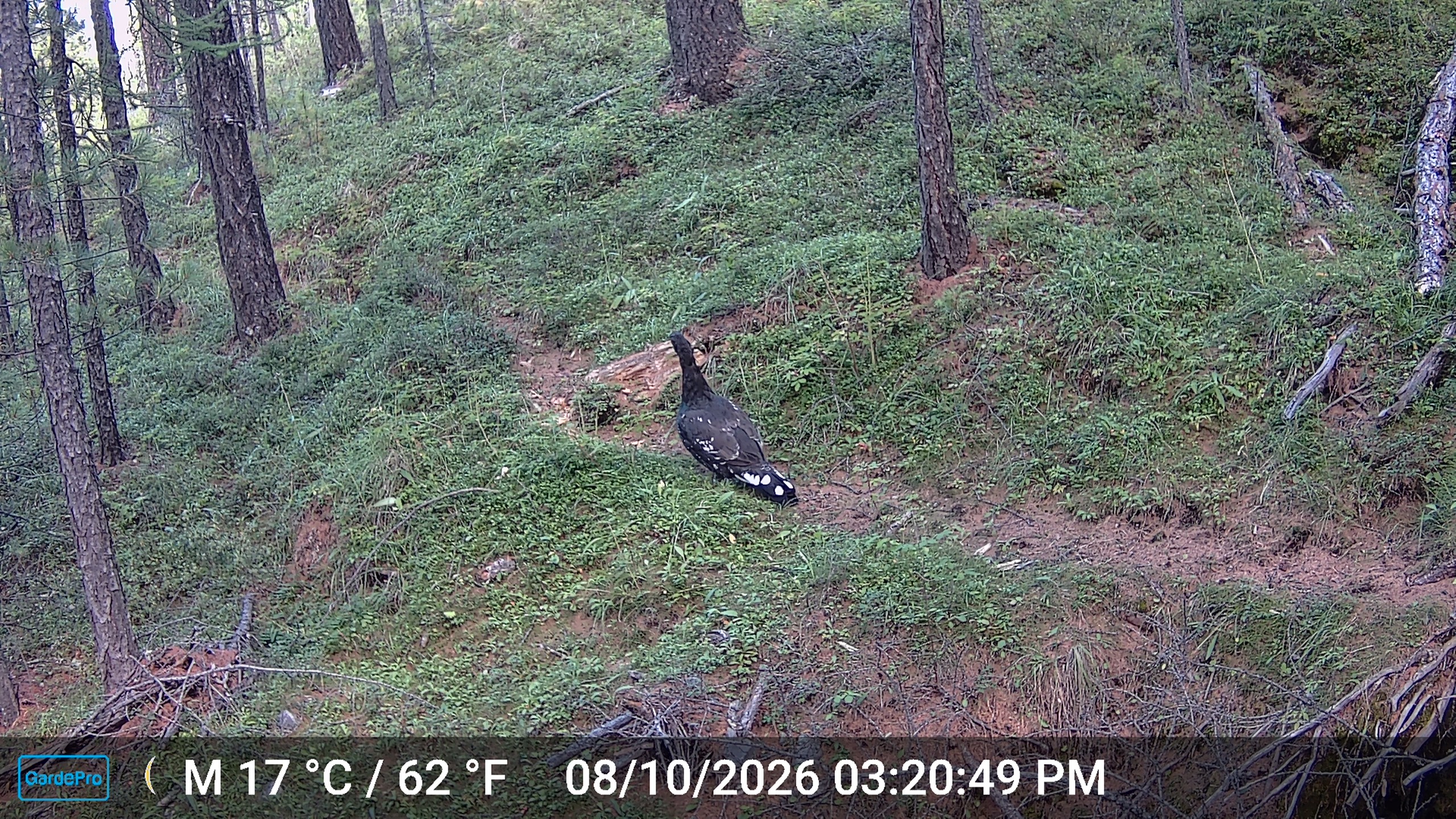
Our second talus plot turned out better than the first. No snow on the ground in this one, and plenty of hay piles. The camera adjacent to this plot was exciting as well: it had caught a Black Capercaillie and a Black Woodpecker, both beautiful birds that I had been dying to see while here. Of course, the camera also got a photo of the ever-present Northern Nutcracker. Like many Corvids, this bird appears to inhabit pretty much every habitat and elevation.
Just two days later, I was glad of this fact. Among the many movies we have watched this semester was Listers, a birding documentary about the Big Year. During a Big Year, contestants work on finding all of the bird species in a defined area, usually the Lower 48 of the US. Excited and talking about the documentary, we came up with a brilliant idea. We would have our own mini version of the Big Year here, in the Darhad Valley of Mongolia. For the month of October 7th to November 7th, our group of students and instructors would compete for the most bird species seen. The winner would, of course, get a snack prize of their choosing.
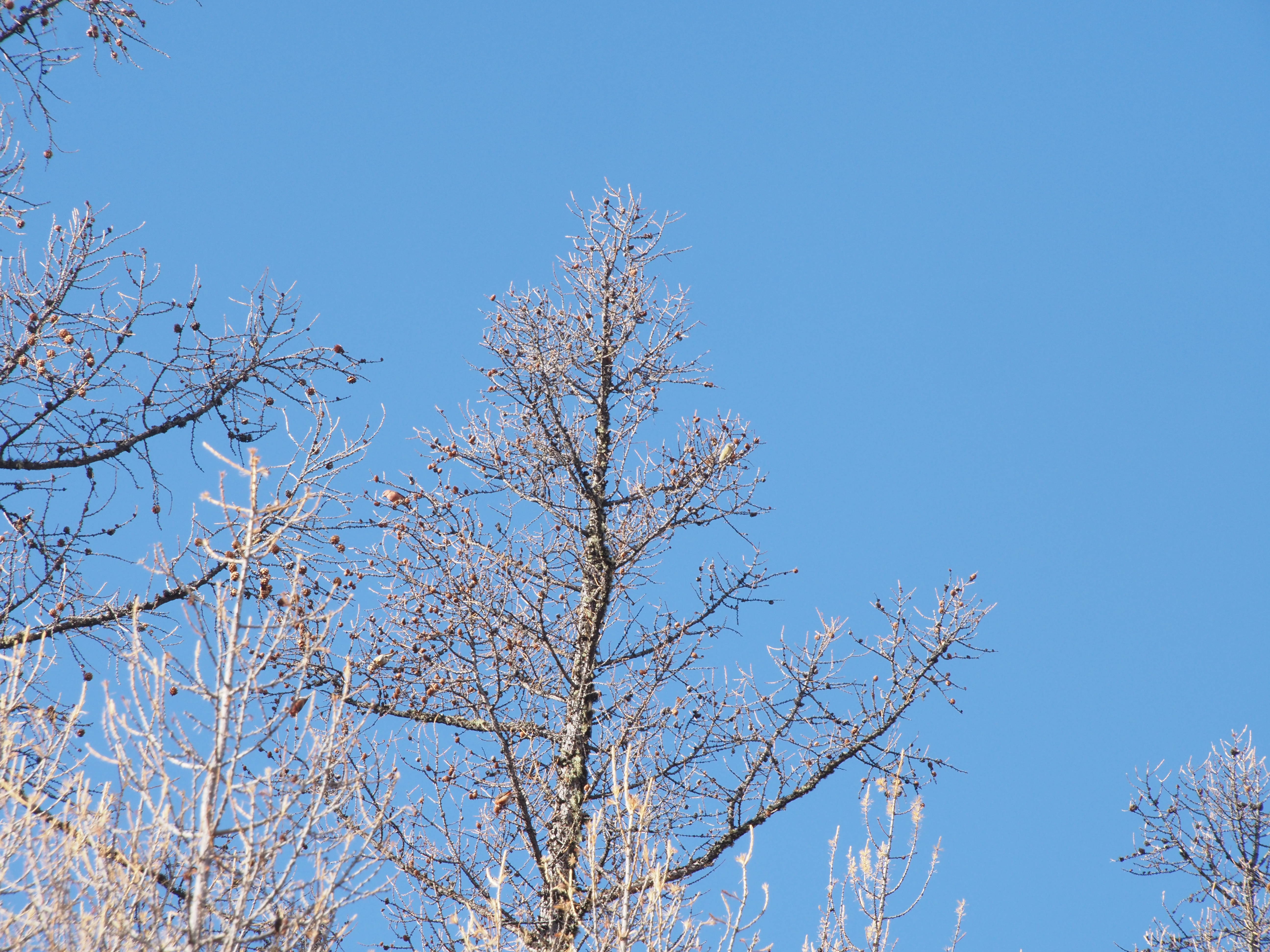
Coincidentally, the October Big Day was approaching (Merlin was kind enough to notify us about this important day). On October 10th, we split into two groups and set out to find birds of the Darhad Valley. There were plenty. Just a few minutes into our hike, our group of Dave, Tyler, and I found plenty of Eurasian Nuthatches. They became our first quiz bird for the species identification quiz we were simultaneously doing. We also got a glimpse of a crossbill-sized, reddish bird we could not quite place. We noted it for later identification, then headed towards the Mungash along the longer, more familiar route to water. Soon, a familiar harsh call was heard as a flock of Willow Tits flew into the trees around us. We stopped to inspect the flock just in case but quickly moved on. Today, we were on a time constraint.
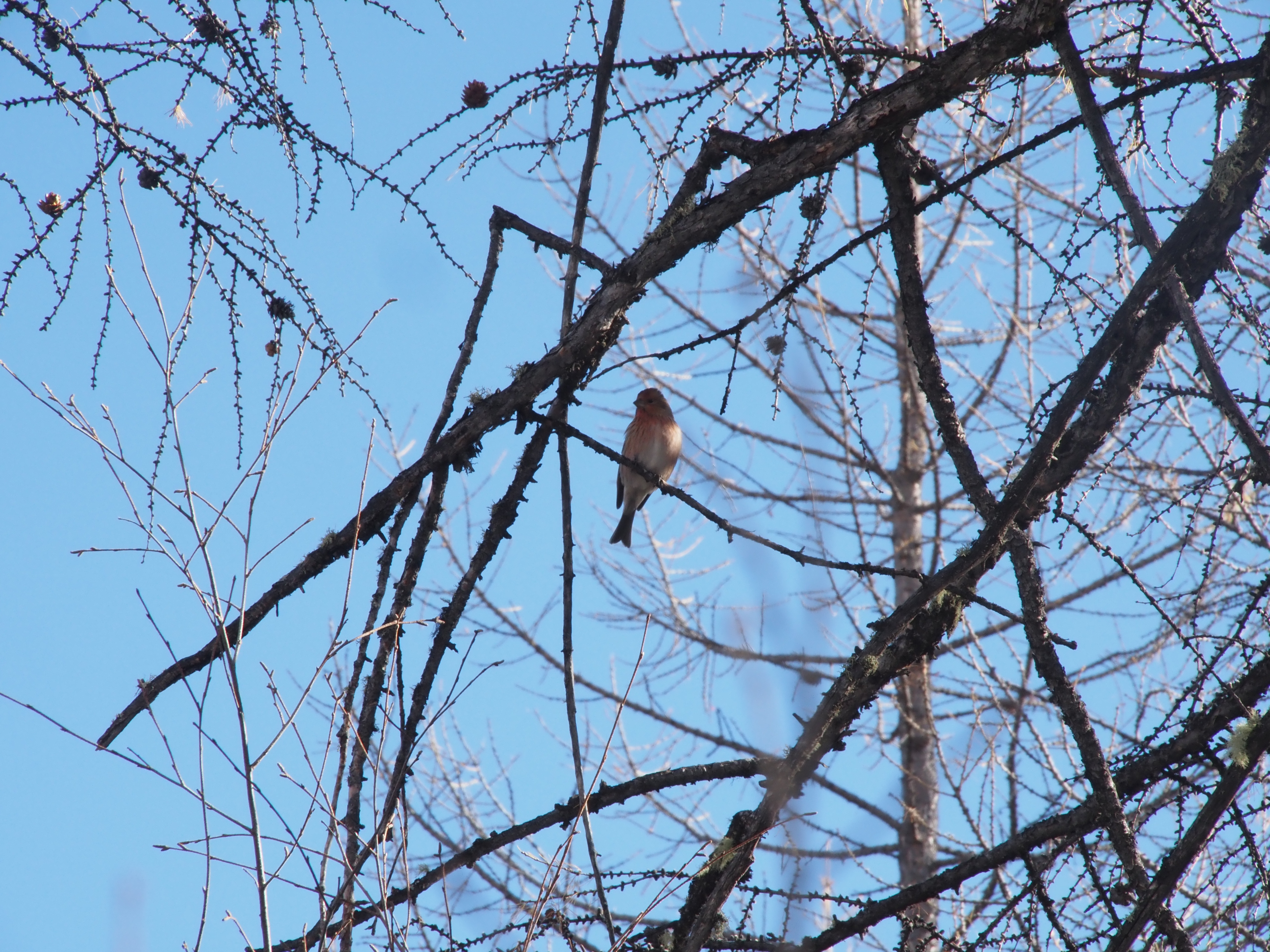
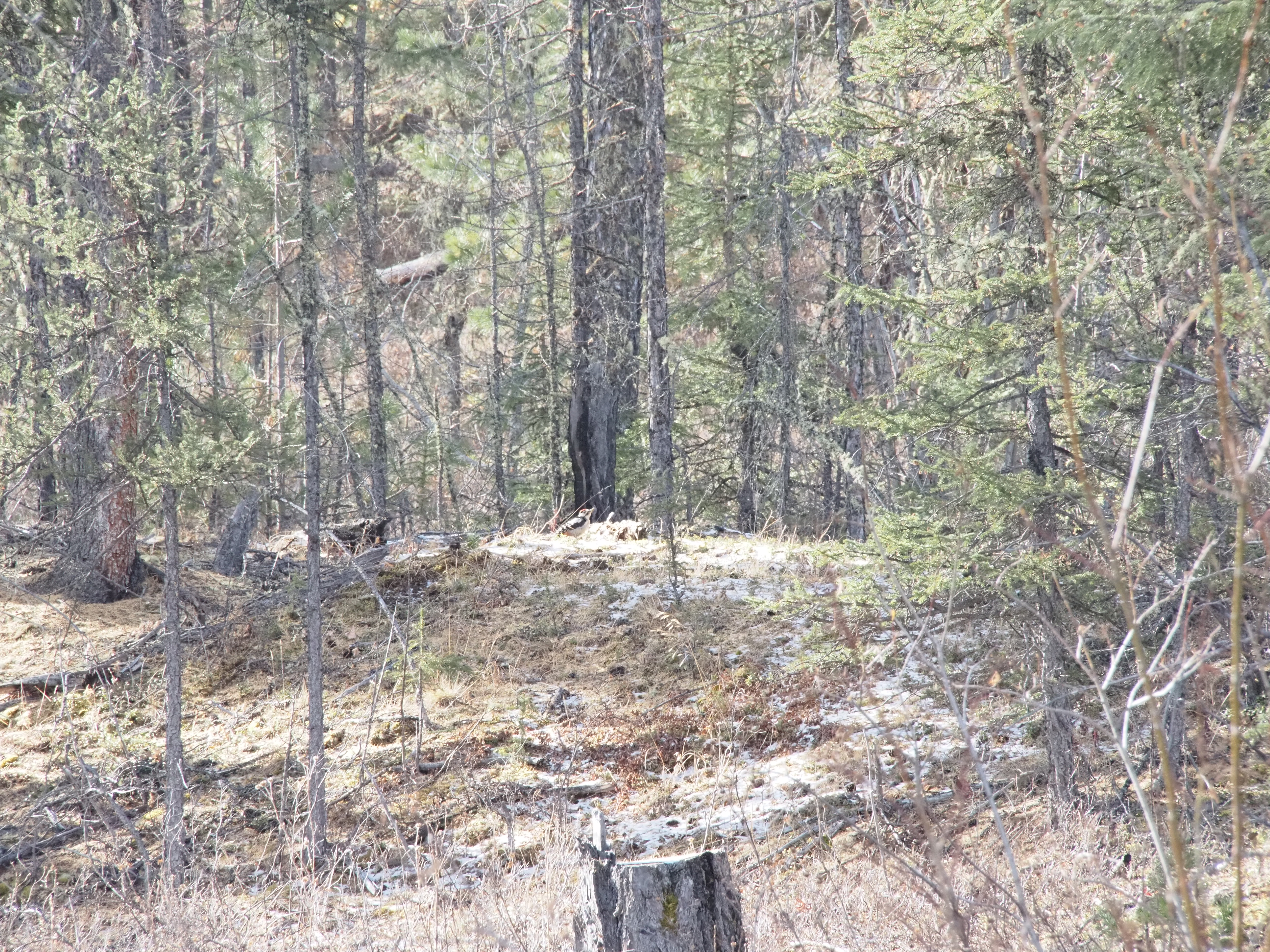
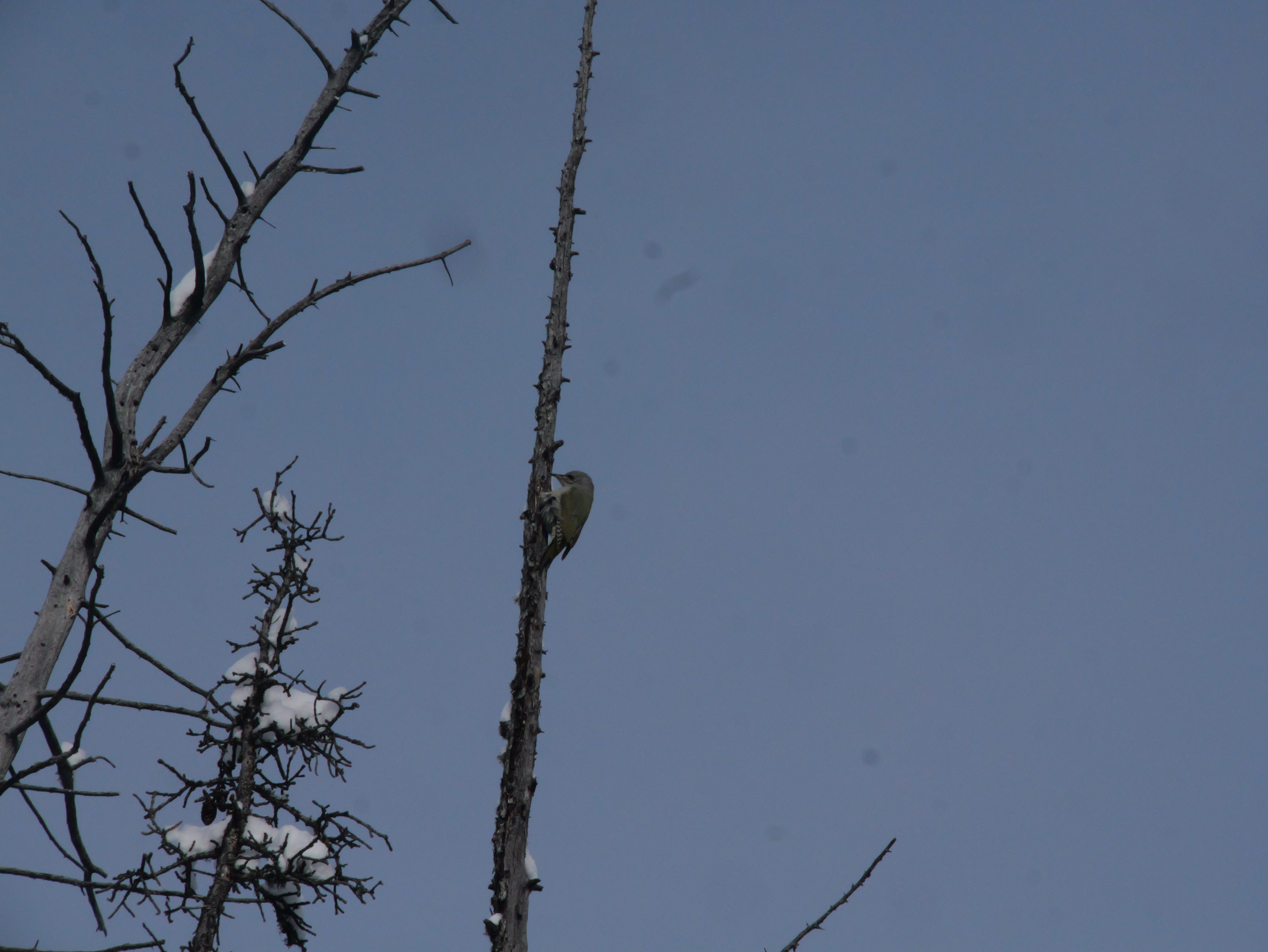
Just as we were getting close to the Mungash, another flock of birds flew into the trees ahead – it was the same reddish bird from earlier! With an opportunity to take another look, we managed to identify the bird, our second quiz species. The flock was full of Pine Grosbeaks, red males and yellow females filling the evergreen spruces with bursts of color. As the day continued, we found nearly all the local species of Rosefinches, a Great Spotted Woodpecker, a Rustic Bunting, and another common bird – the Cinereous Vulture. In the other group, Erin, Owen, and Jamie had good luck as well: a Common Kestrel, a Grey-headed Woodpecker, and a pair of Siberian Jays were among the highlights. In the afternoon, we headed into the woods on the other side of basecamp. Our luck turned, with few bird sightings of mainly Nuthatches throughout the route. Still, we managed to turn up a male Three-toed Woodpecker posing for us in the trees.
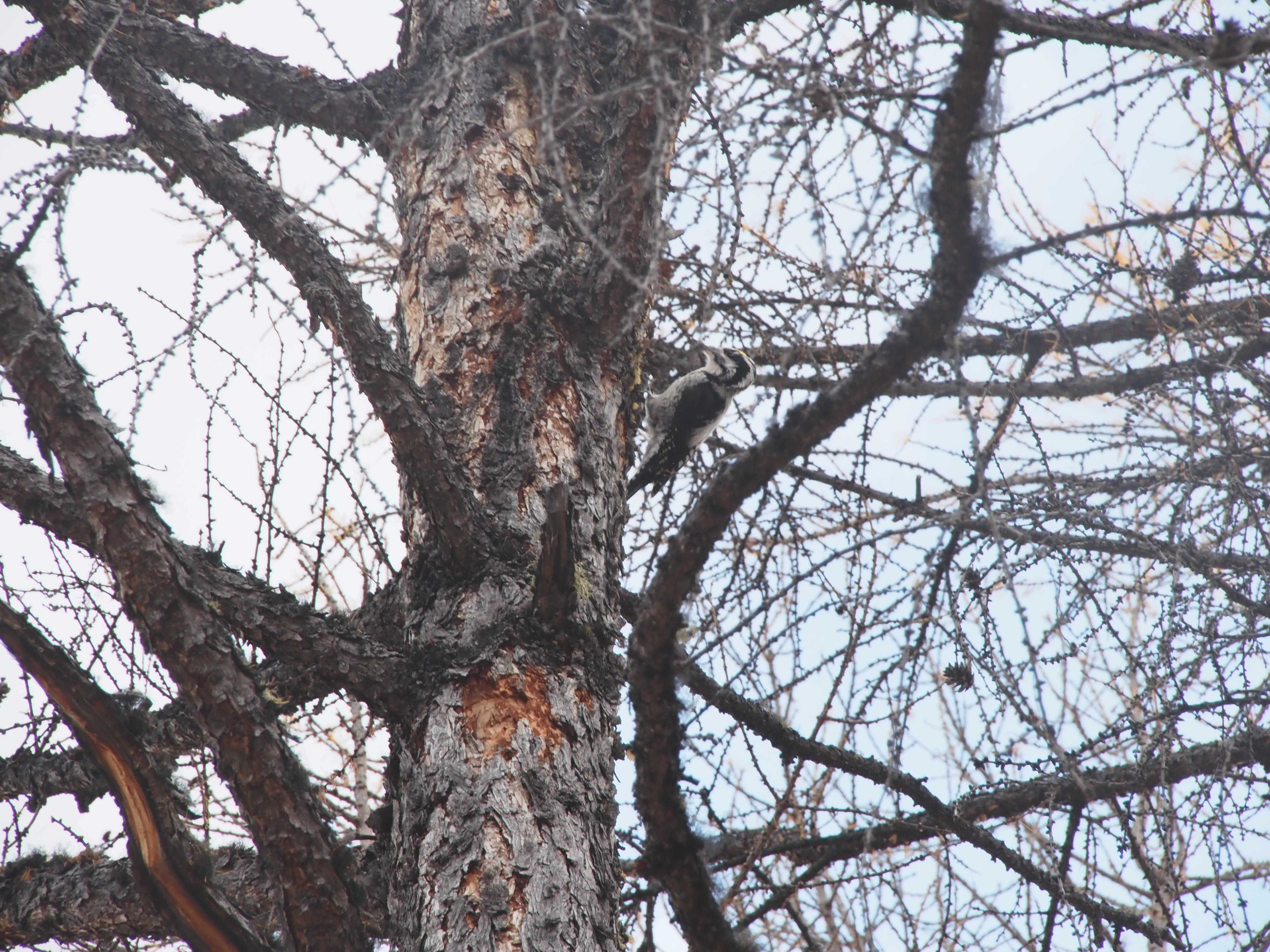
Dave even got a photo of its three toes while Tyler and I were confirming our identification in the bird book. Back at basecamp, we tallied up the day’s findings. My group got 15 species, while Erin’s group got 19 total. A solid start to our birding competition. Later, we looked up the results of the Big Day competition in our province, Hovsgol. Our two groups made up two thirds of the competition. Unfortunately, we were still outperformed by the only other birder on eBird in the province, who got a total of 23 species for the day.
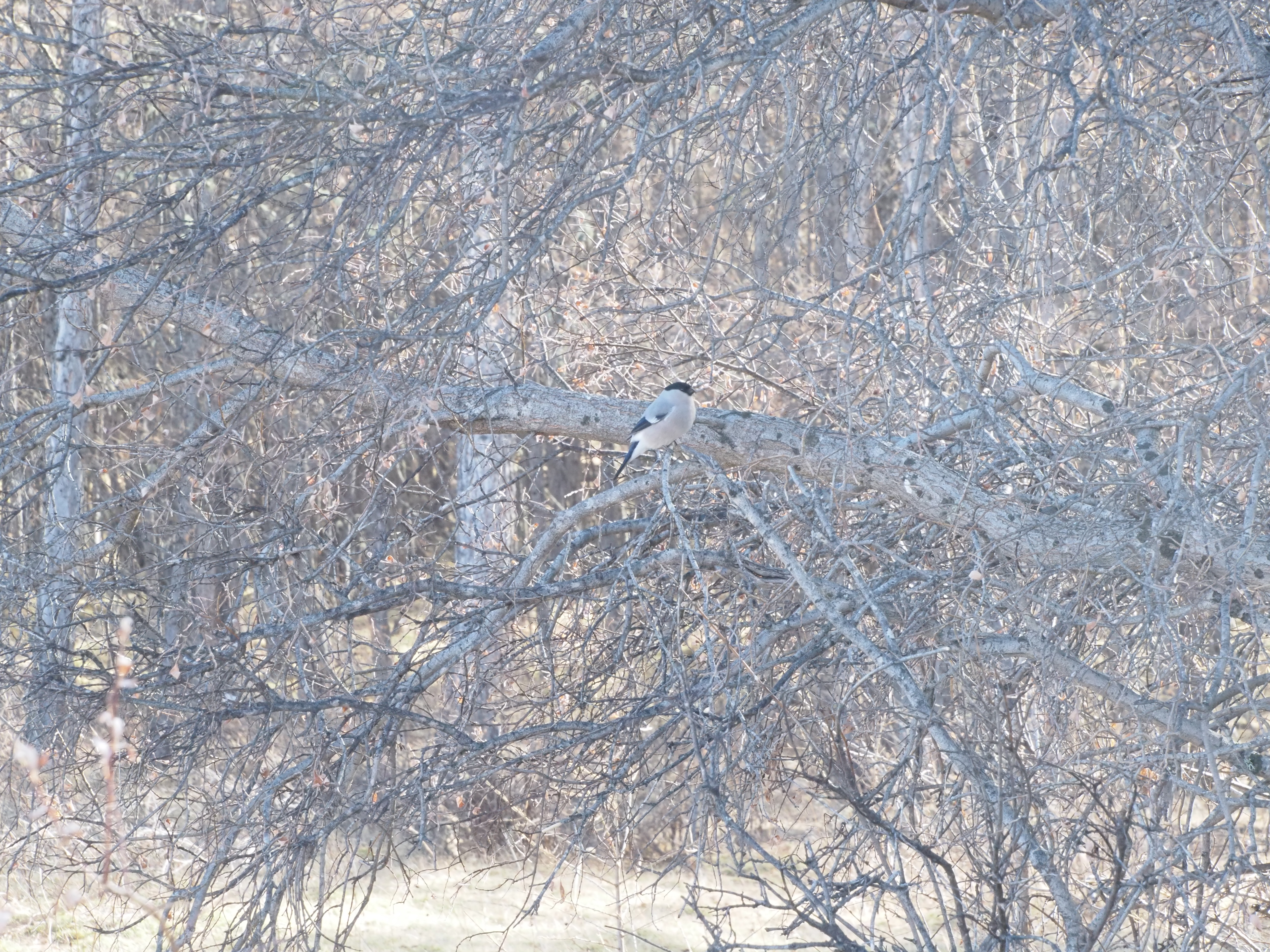
In the following week, we focused back in on our projects. But birding never stops. One morning, Erin and I found a flock of Eurasian Bullfinches sitting in the willow shrubs right outside the “pen” fence. On a different day, I came across a Eurasian Jay in the woods next to camp. It stayed there just long enough for me to call over Jamie and Owen from the top of the ridge next to the forest, and we admired the bird together.
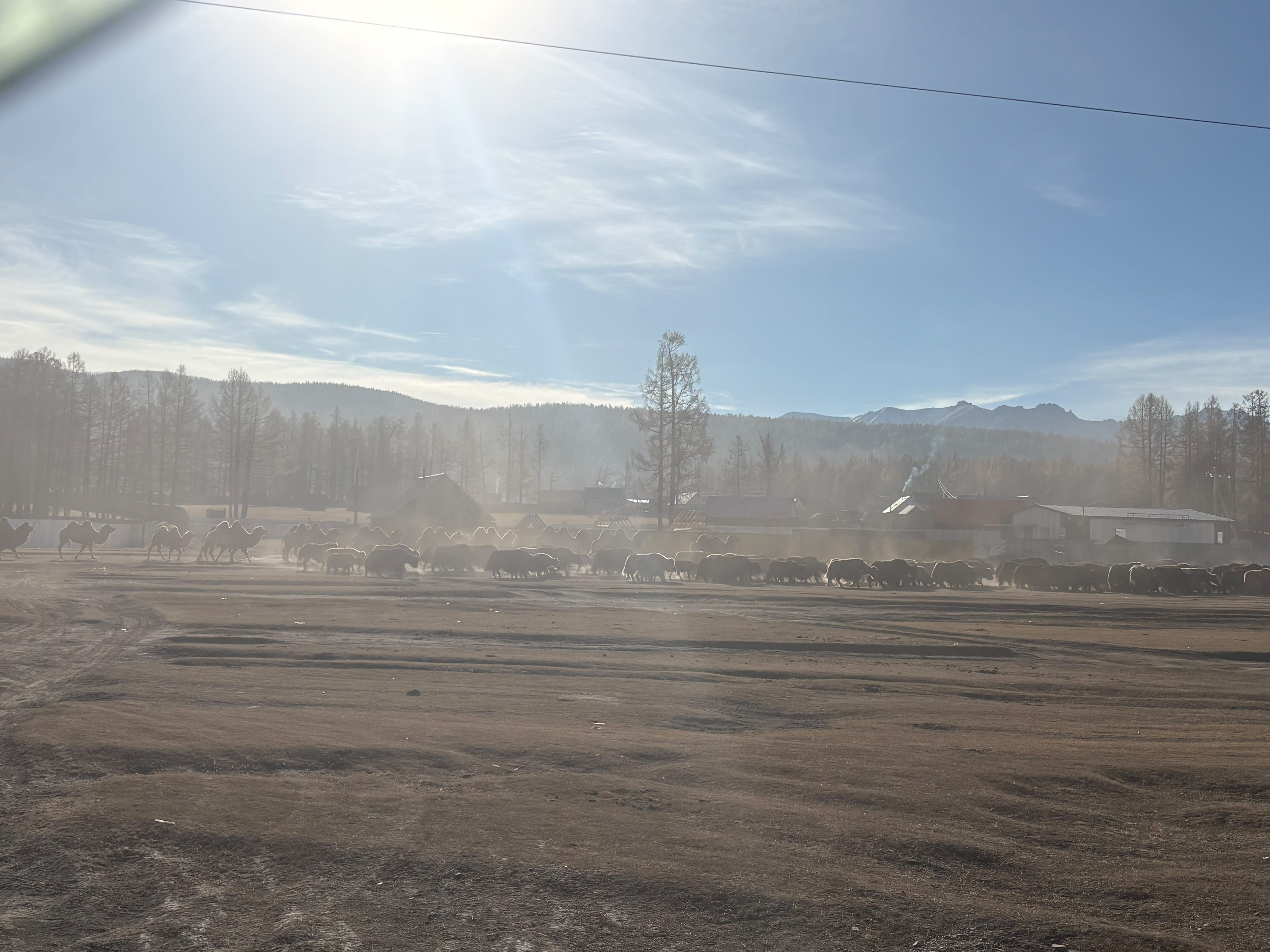
One day, while getting water from town, we came across something arguably more interesting than birds. Nomads were coming through town on their way south, and they had a herd of camels with them. For us, this was an incredible sight, especially in the context of temperatures hovering around freezing every day.
This past Friday, October 16, we woke up to 15 cm (6 inches) of snow on the ground, with more falling. The snow-covered landscape was vastly different from the previous end-of-fall feeling, and a great reminder about why we love winter. It made plowing through the snow for a hike much better. This hike was not just for birds – a bit later than expected, we were starting the collection of Tyler’s forestry data. Thankfully, most of his plots are close to camp, so the hike was short and sweet and still incredibly chilly. At the plots, we measured trees’ diameters, obtained core samples, and learned how to use a clinometer and a spherical densiometer.
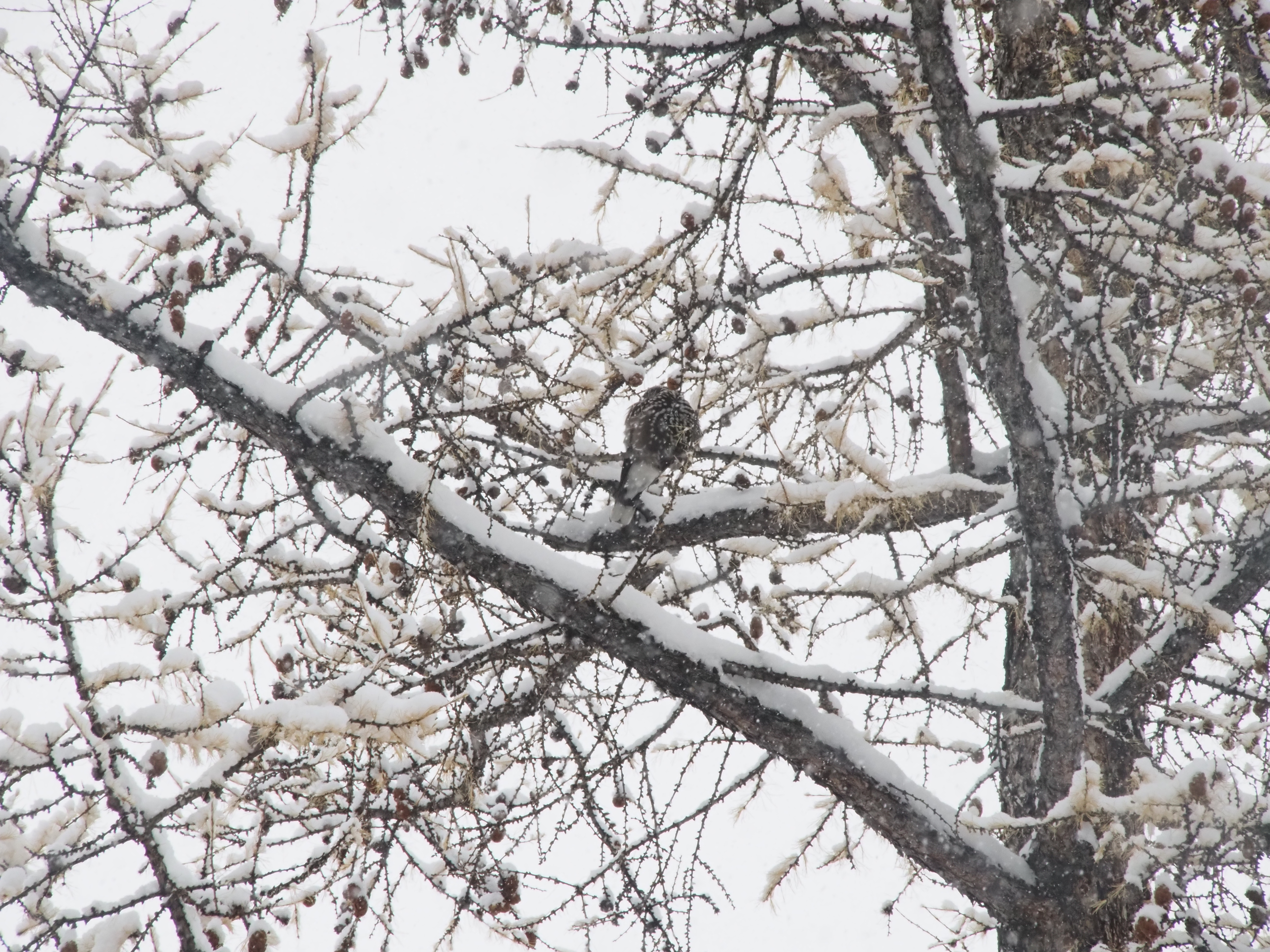
Our second forestry plot also added lots of new species to our birding competition. While we were finishing up the coring, a Grey-headed Woodpecker landed in the tree right ahead of us. At the same time, two Cinereous Vultures were circling overhead, while a Lammergeier flew rapidly towards an unknown destination. This was, if I recall correctly, our ninth Lammergeier sighting of the semester. I never stop being amazed at the opportunity to see these majestic birds so often.
In the next few days, we are going to be finishing up Tyler’s data collection and continuing to work on our projects. We have a busy few weeks ahead of us. Still, I’m sure they’ll be filled with lots of birding and lots of fun. As we finish up our semester in Darhad Valley, Mongolia, I can only lament how quickly time passes and hope for another opportunity to come to this beautiful land with lots of interesting birds worth finding.