
By: Jasper Thomas, Bowdoin College
The second adventure for our Round River S26 crew after our incredible San Lorenzo backpacking trip was cleaning Rio Cochrane: the river flowing southwest from Lago Cochrane through the center of town and into Rio Baker. The river has beautiful, crystal clear turquoise water courtesy of the highly oligotrophic headwaters and lake it flows from. People have told me that it is one of the clearest rivers in the world (Personal interview. Staver, J. 2026)! The river is so cold and clear that many people in town get their drinking water directly from it without filtration, making it especially important to keep it clean for the local community.
On the first day of our river cleaning adventure, we drove to the homebase of our partner organizations for this project: Club Nautico Escualo and Descrubiendo Cochrane, just across the river from our basecamp at Aquasol. There we met Cristian, an energetic man who wasted no time in cracking jokes in his second language about how whenever he knows he’ll be snorkeling in the river, his bones feel cold 36 hours beforehand. We split into two groups due to limited gear, and my half of the group did the snorkeling practice first. After getting a rundown on all the gear, the first step in learning to snorkel was squeezing into 7 mm wetsuits, (“be warned, you feel like a teletubby”), booties, gloves and all. After becoming teletubbies, we hopped in the water, learned how to clean the goggles (there’s a surprising amount of spit involved) and went out to practice diving.
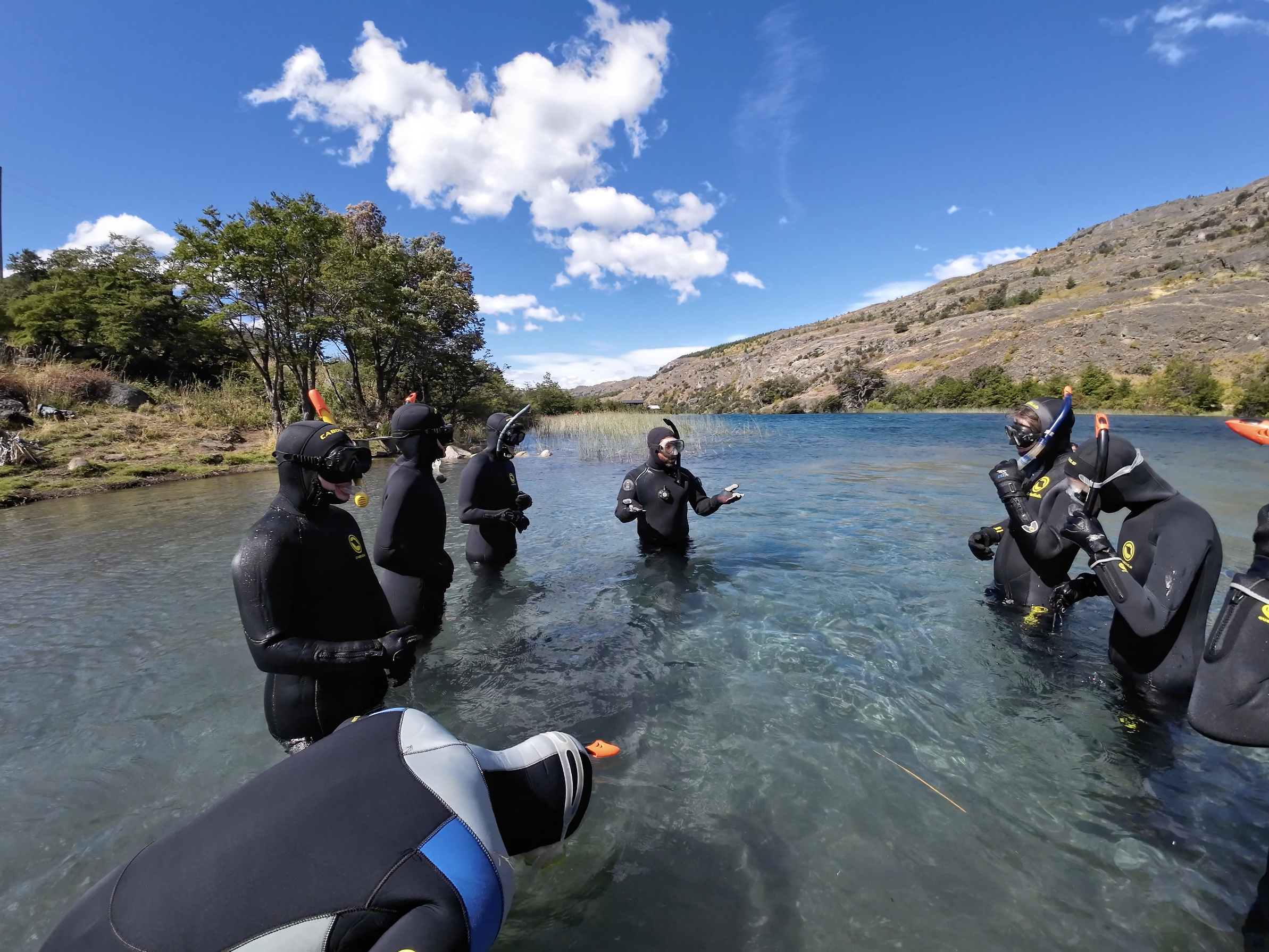
After an hour of learning how to pressurize our ears, dive vertically, and check above us before coming back up, we were feeling stoked to get out to the river the next day and pick up some trash.
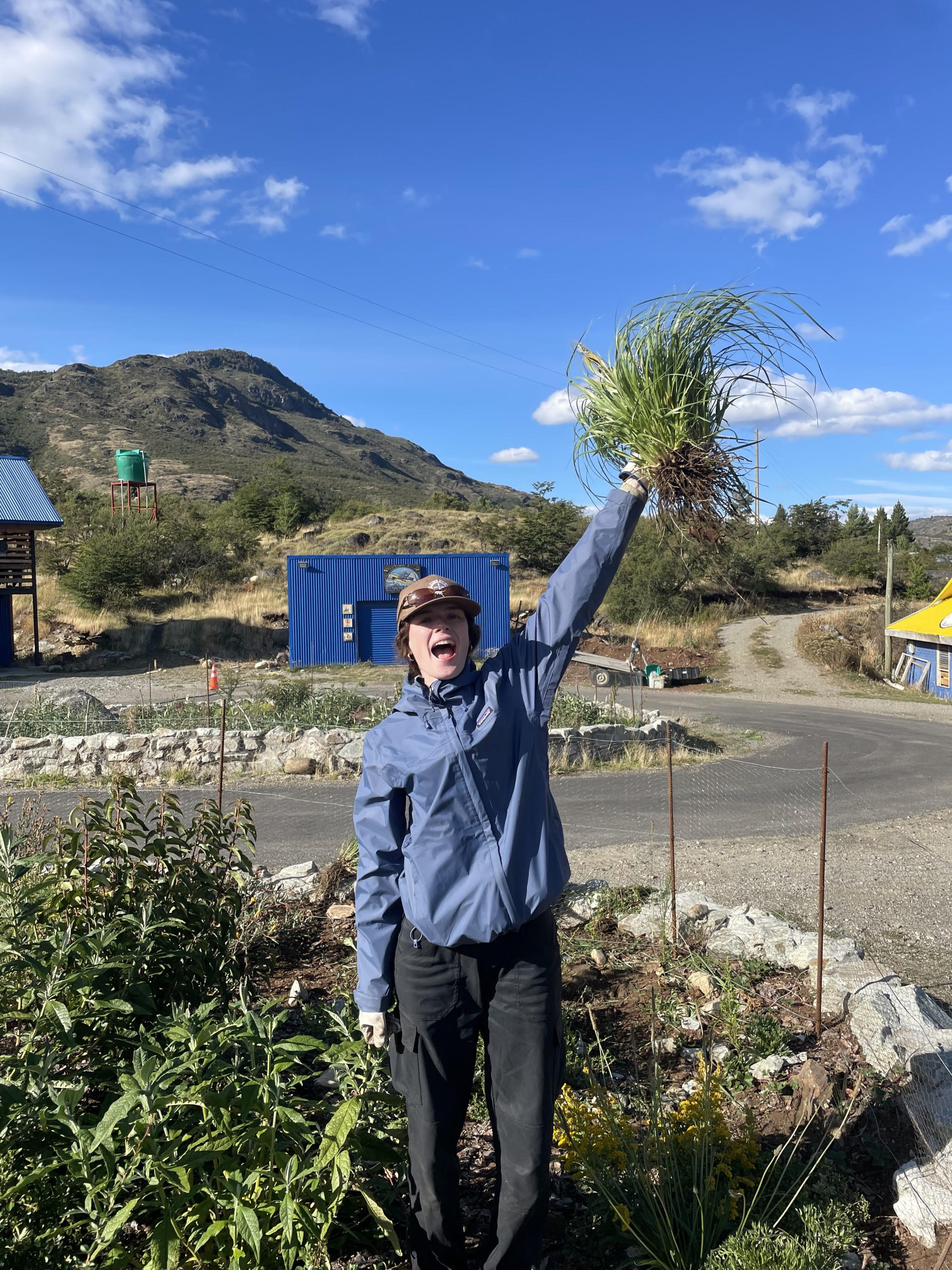
We then swapped with the second group, and while they switched into our wetsuits, we moved to weeding Club Nautico Escualo’s garden of native medicinal plants. The grasses had massive root clumps and put up an epic fight as we tried to pull them out under the sweltering sun, but by the end of the day, the garden plots were looking much closer to weed free.
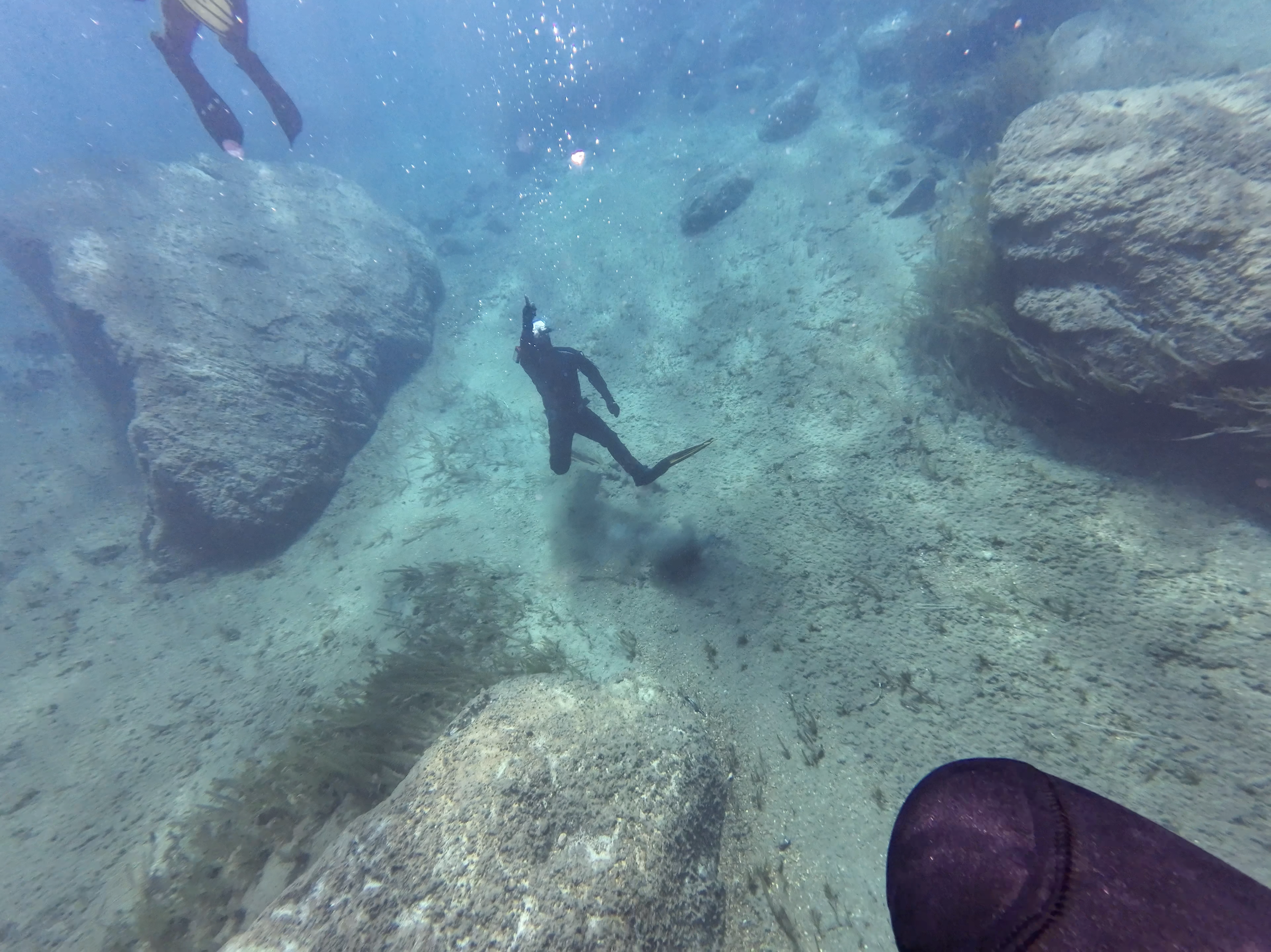
Bright and early on day two, we met back up at Escualo, suited up, and drove to our put-in on Rio Cochrane. We split up based on gear and preference into groups of ten divers, three kayakers, three packrafts, and two people on shore to collect bags of trash as we pulled it out. We quickly realized that diving for trash in a fast-moving current was a different deal than the slow moving water in front of Club Nautico Escualo, and it took a while to figure out when we needed to dive to get the trash we saw in front of us.
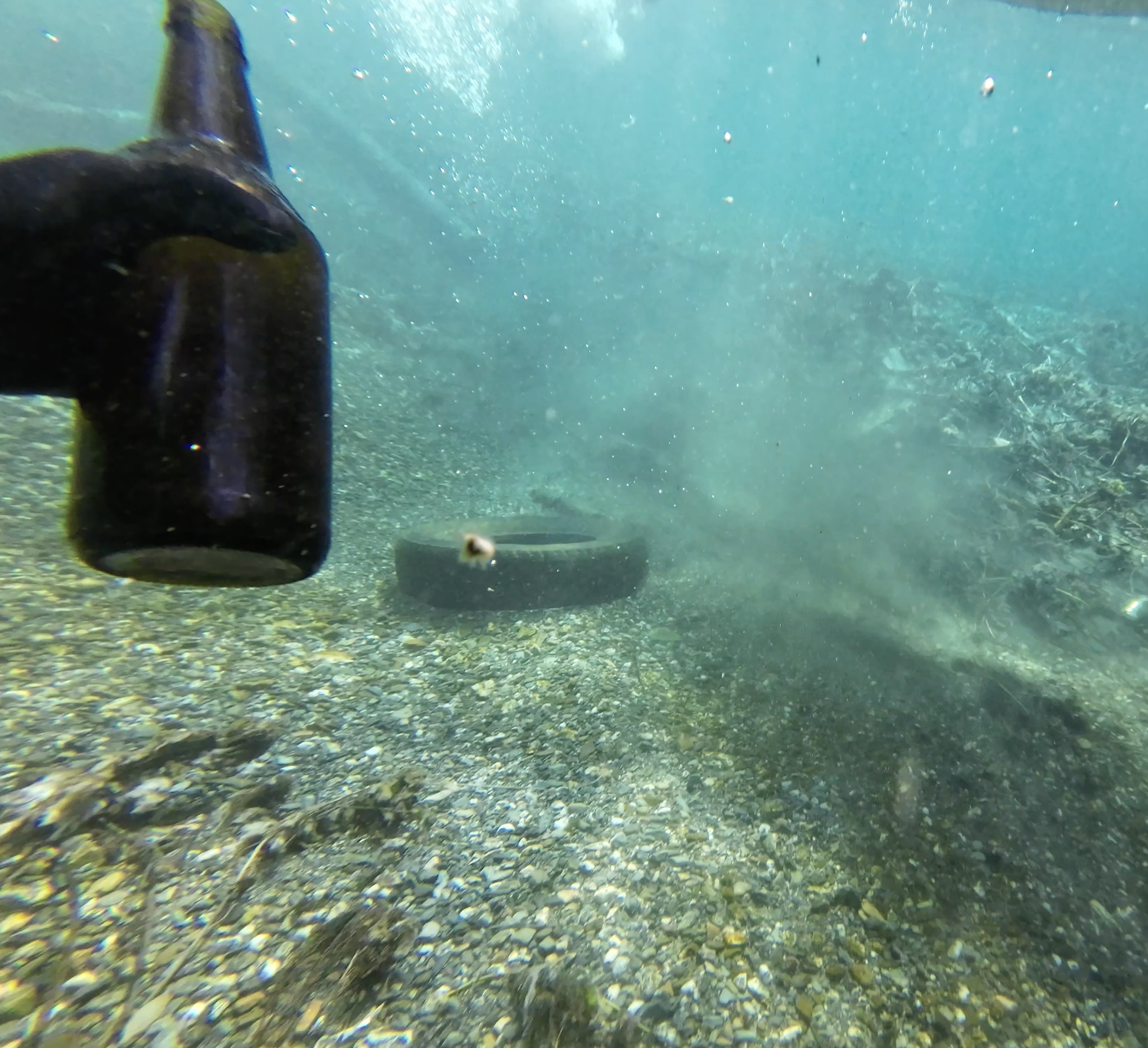
However, finding all the trash was a fun game, and swimming hard kept us warm in the cold waters. The clarity of the water made it easy to see several massive trout swimming along with us, always a fun surprise. The area of the river we were cleaning had a lot of willow growth, which had recently been cleared, but the low-lying branches and roots still functioned to catch a lot of trash.
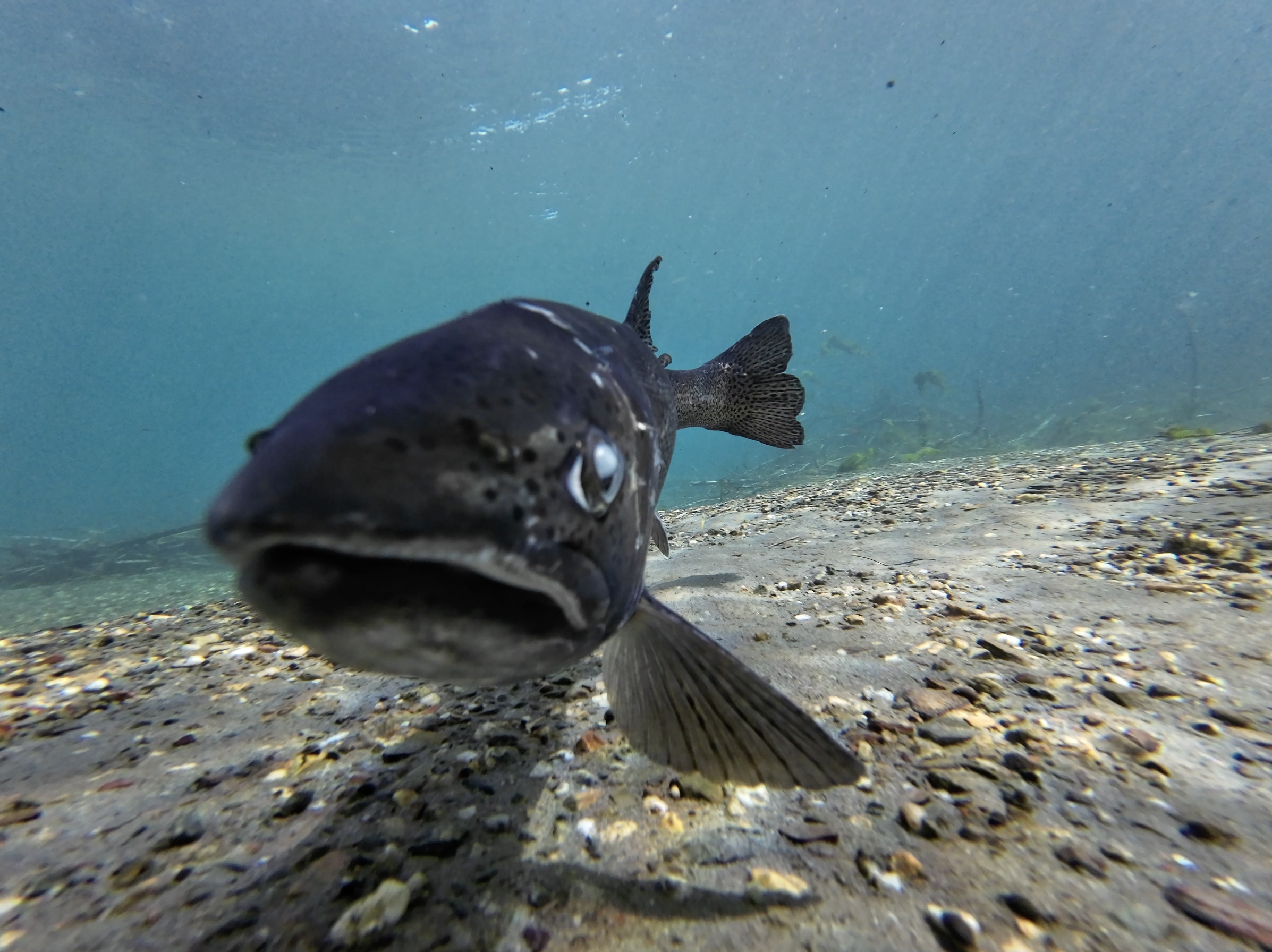
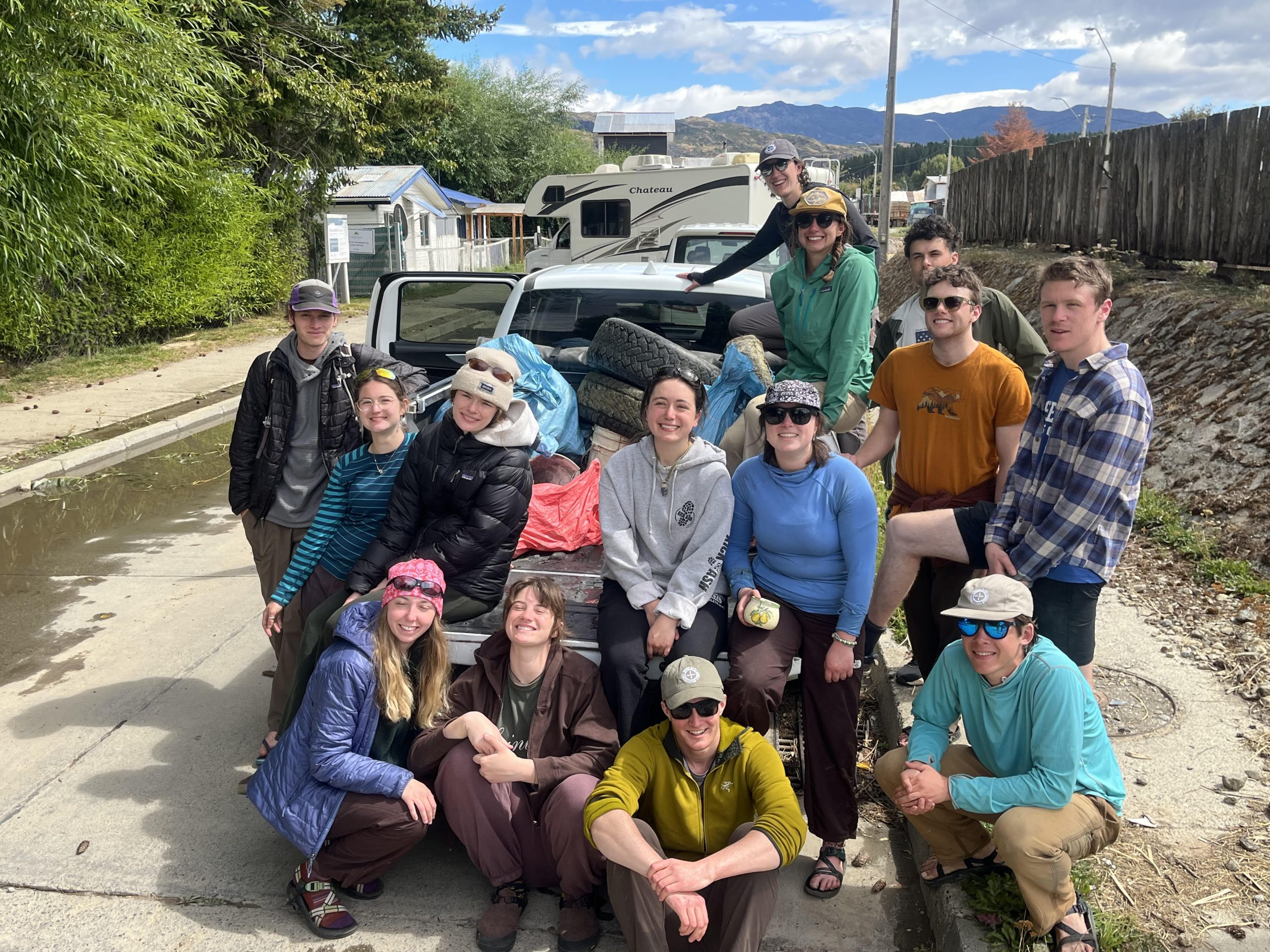
At the end of the day, we had picked up a grand total of 303 pounds of trash! Our legs were tired, but it was an incredibly unique way to experience a beautiful river, and I was glad to have connected with our great local partner organizations.
Some of the notable finds included: several car tires, an ornate ceramic tea kettle, a slightly broken cheap Nestle cup which Johnny insisted on keeping and then never cleaned, a whole satellite dish, and several full wine bottles. To see the project all the way through, we took the trash to the dump the next day (the satellite dish made a great frisbee).