
by Claire Fortenberry, of Nebraska Wesleyan University
The Bush of Botswana almost has a myth surrounding it, and it is spoken of with an air of respect, mild trepidation, wonder, and curiosity. The Bushmen were the first people of Botswana and some of the first humans on earth, and their history along with their harmony in the bush commands respect.
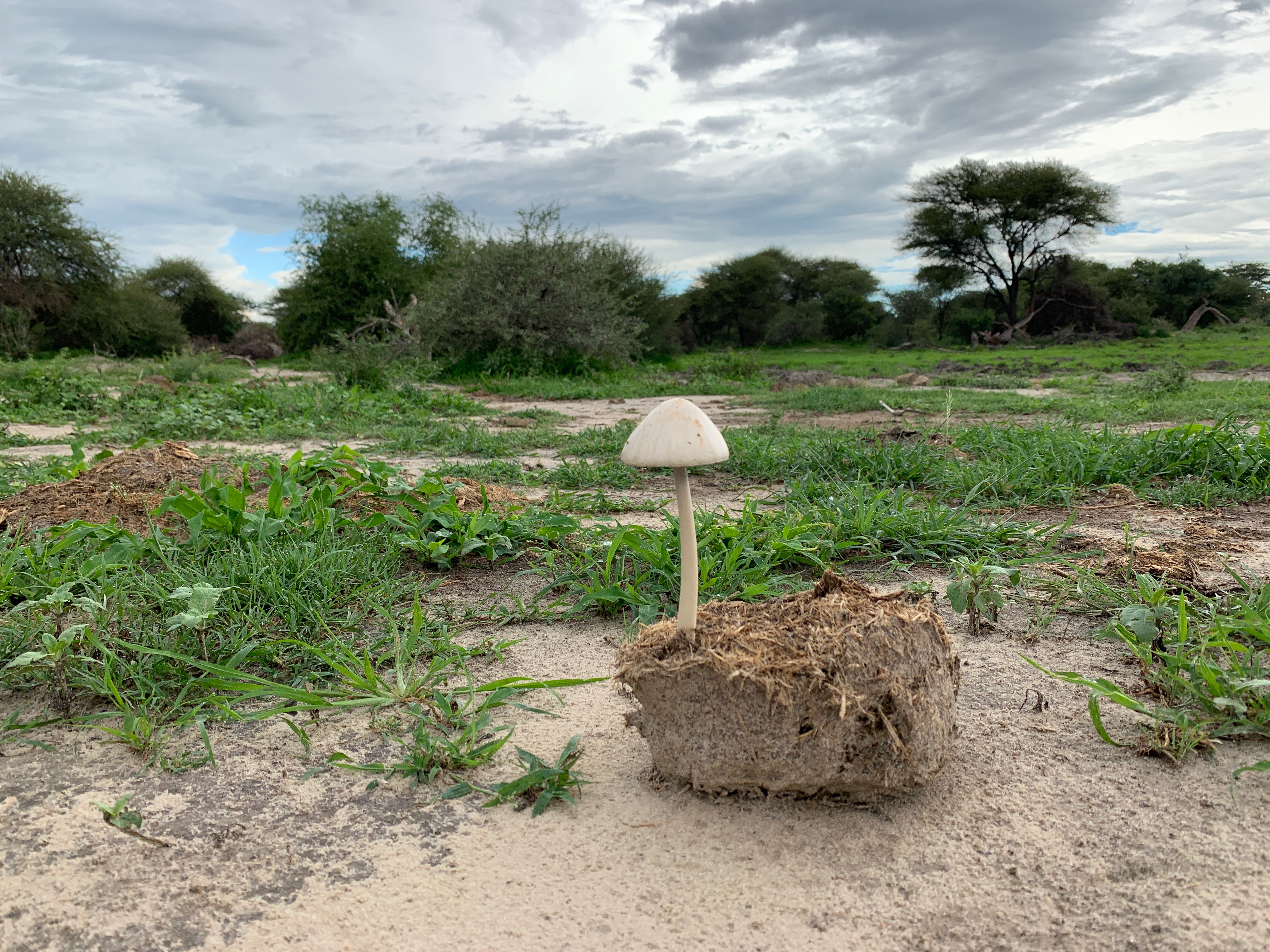
Botswana certainly is able to pull the heart to create a profound sense of oneness and a longing to embrace the mentality of the Bushman. Our purpose here with Round River is to conserve these landscapes and wildlife which are able to touch our most basic human nature. More importantly, it must be done in a way which respects and enhances the lives and livelihoods of those who experience the wildlife daily, the people of Botswana. From an economic standpoint, it must be profitable. From an environmental standpoint, it must be sustainable. From a perspective of life, it must be moral. And from every perspective, it must be done well.
So far we have completed our first few classes which have given us a thorough introduction of the full picture of issues surrounding wildlife conservation. We have begun collecting data on the fence surrounding Magkadikgadi Pans National Park, gone on several bird and tree natural history walks, begun learning the Setswana language, and have seen one of the most fantastic displays of elephants in the world. There is never a dull moment in camp life, and we have even created a new sport we dubbed “Bushball.” Discussions around the campfire range from the daily happenings to the deep philosophical “why’s?”. The great thing about this program is that we are learning about Botswana, giving back a little, and learning how to give back substantially more in the future.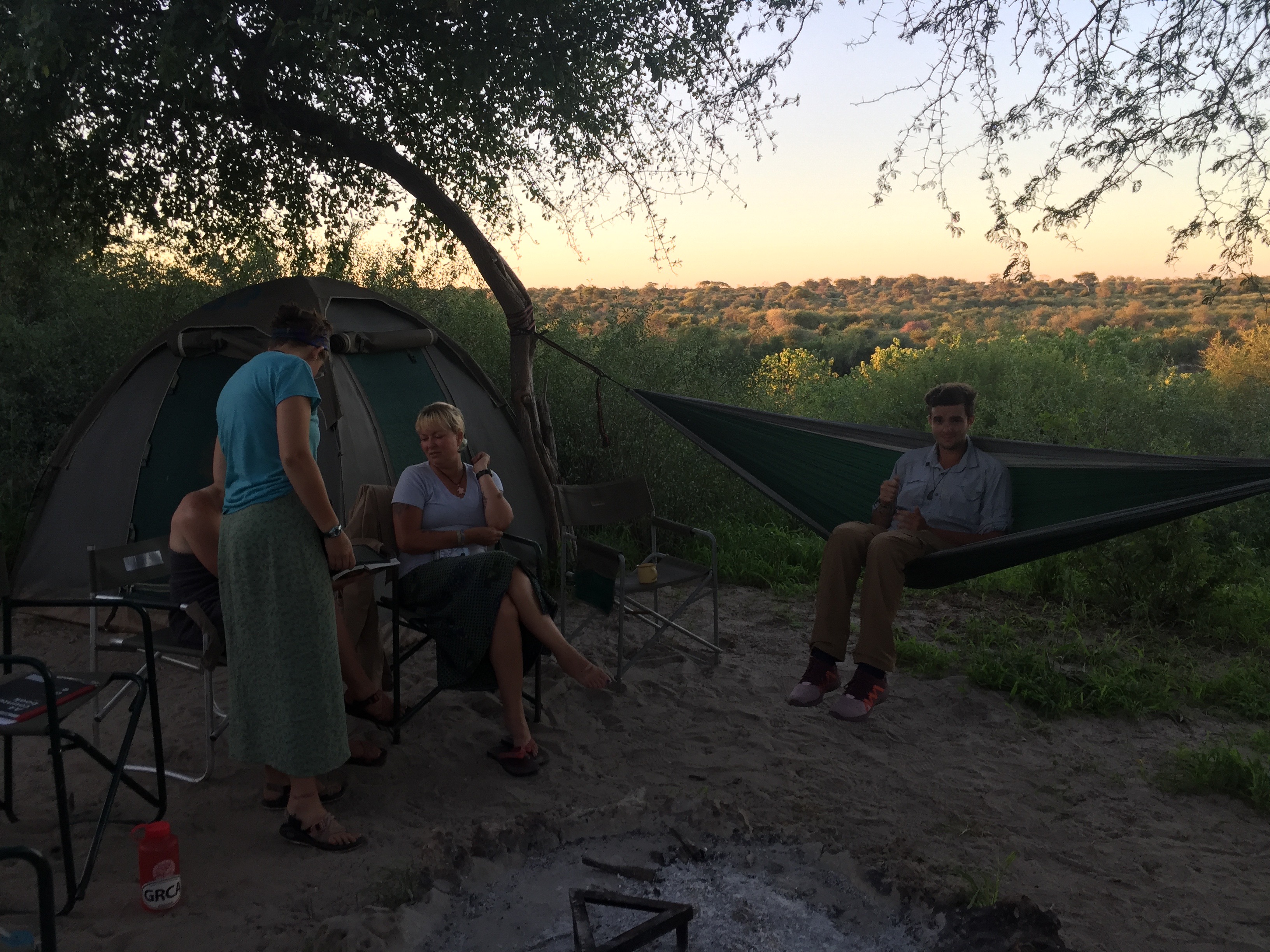
As Mma Ramotswe, from the book series The No. 1 Ladies’ Detective Agency (set in Botswana!) says, “it is possible to change the world, if one is determined enough, and if one sees with sufficient clarity just what it is that has to be changed.”
Onwards and Upwards!