
by Natalie Albrecht, of University of Vermont
The question I’m most frequently asked by people back home is if I feel scared at night. When wildlife is all around you, I can understand how canvas walls could worry some people. However, when the sun goes down and the fire has burnt out, that’s when the best observations are made.
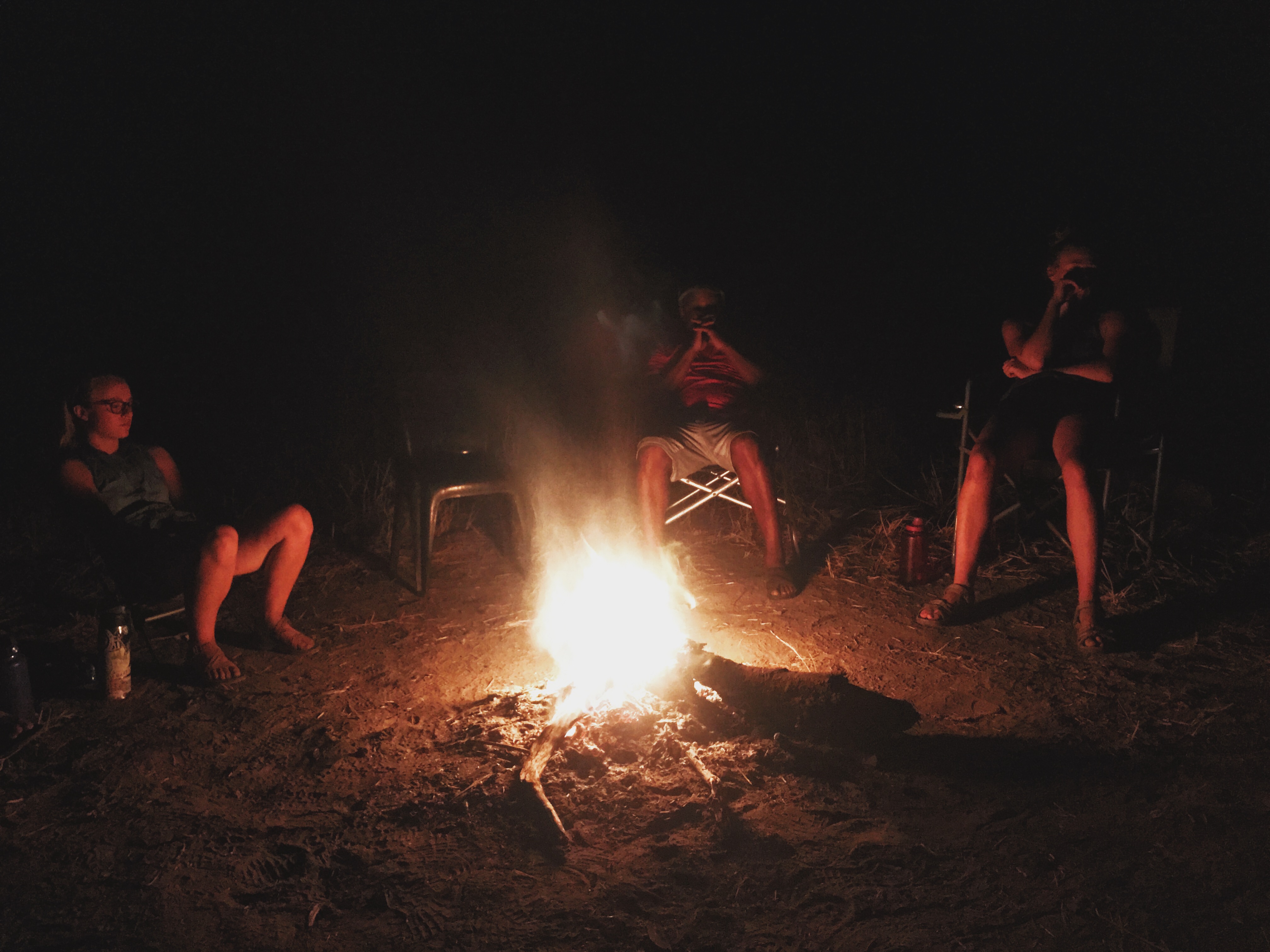
Processed with VSCO with 4 preset
Our first night in the bush, over two months ago at his point in the semester, we were instructed carefully on how to tell the difference between carnivore and predators at night. We flash our Maglite around our tent to look for the glow of either red eyes, signaling carnivore, or green eyes, signaling herbivore. When getting up to go to the bathroom at 2 am, it’s important to make sure you’re alone, or you might be stuck squatting for more time than intended waiting for your company to leave.
When the sun goes down, and the moon hasn’t risen yet, we spend most of the time with our eyes fixed on the sky. Occasionally on nights where the moon rises later and the stars are especially bright, we climb to the top of our trusty vehicles to lay and look for constellations. The milky way lights up half the sky with its large clusters of tiny stars that form light clouds. When the moon rises, we watch it climb over the horizon as it changes from yellow to bright white. Nights of the full moon are always special, as the animals are especially active during this time.
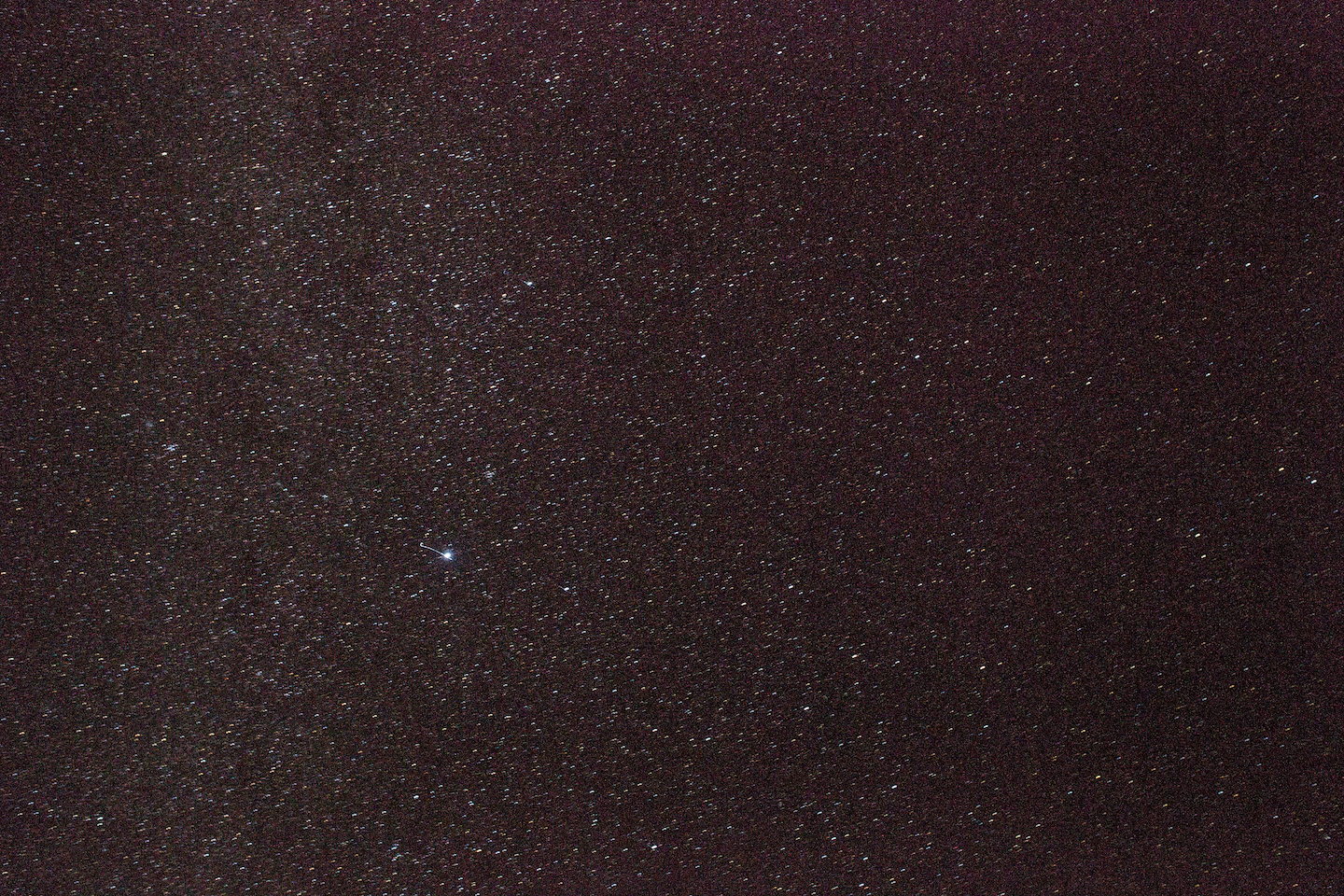
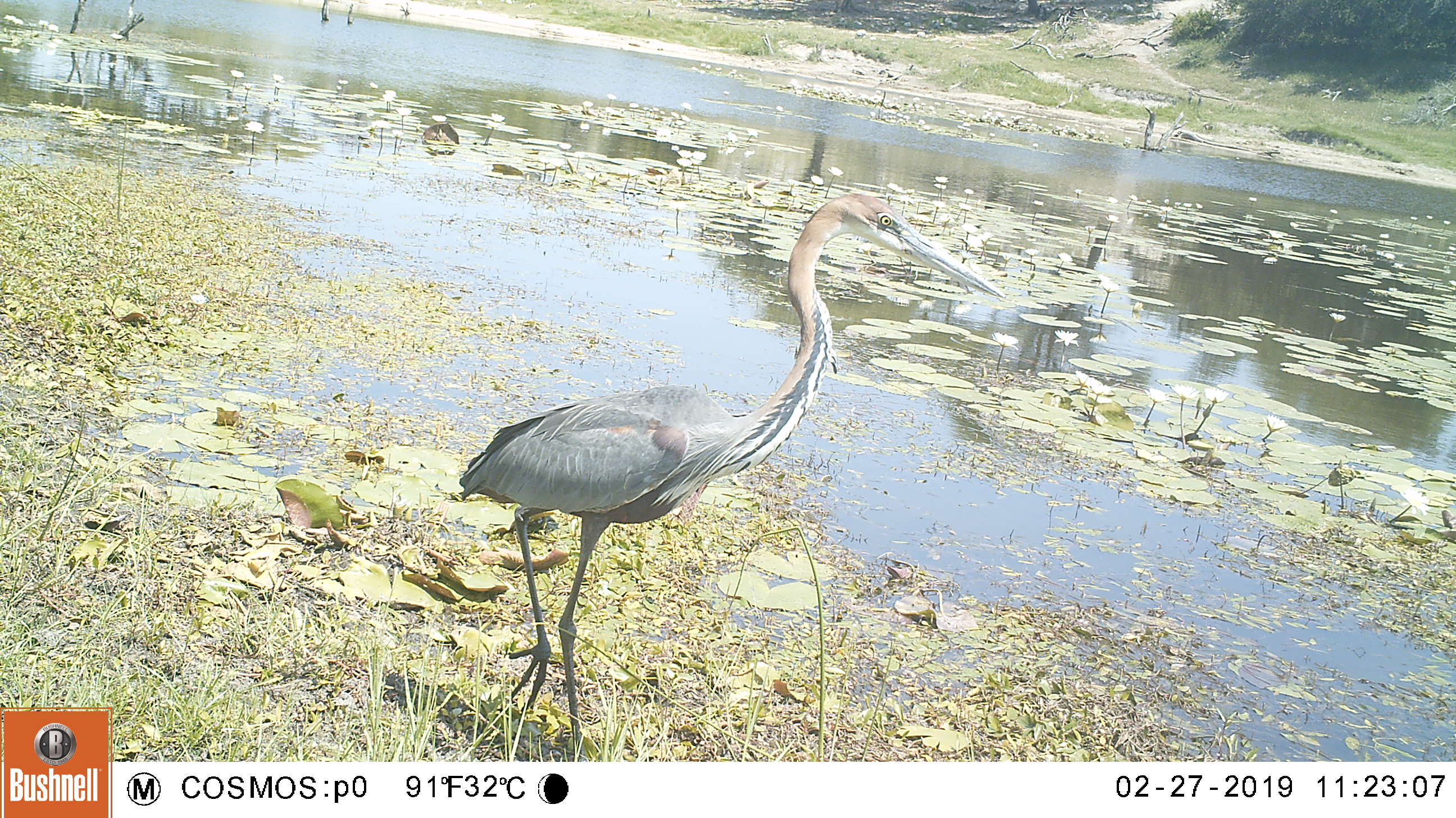
The first calls we hear at night are that of the Pearl-spotted owlet. It’s ascending call comes from a near-by tree as the Night-jars begin singing. The Goliath heron’s deep and echoing call travels from the edge of the river and the Giant Eagle owl’s low frequency grumble of call vibrates in our ears.
At the end of the day, when the last log has been put onto the fire, and people are beginning to get into their tents for the night, the noises of animals waiting for our retreat begin. Herds of elephants and pods of hippos make their way down to the river to drink. The trumpeting of different herds spotted around the river can be heard warning off predators as kudu and zebra bark in alarm at an encroaching predator. Genets quickly dash over the front flap of our tents while a Honey badger finds dinner in our garbage can. The call of lions hunting get closer and closer to camp- their calls getting louder and slowly surrounding us as we listen in anticipation and excitement in our sleeping bags, waiting for sleep to overcome us.
M2E76L214-214R385B330
In the morning when we climb out of our tents to escape the sun’s heat, we notice tracks of animals we never knew visited us the night before. We always take time to compare the noises we heard, deciding if a low grumble was a leopard or the sound of an elephant as we eat breakfast. So, my simple answer to when people ask me if I’m scared at night, is no. I’d choose canvas walls over and over again to listen to the night time chorus of wildlife here in Botswana.