by Kira Corasanti of the University of Vermont
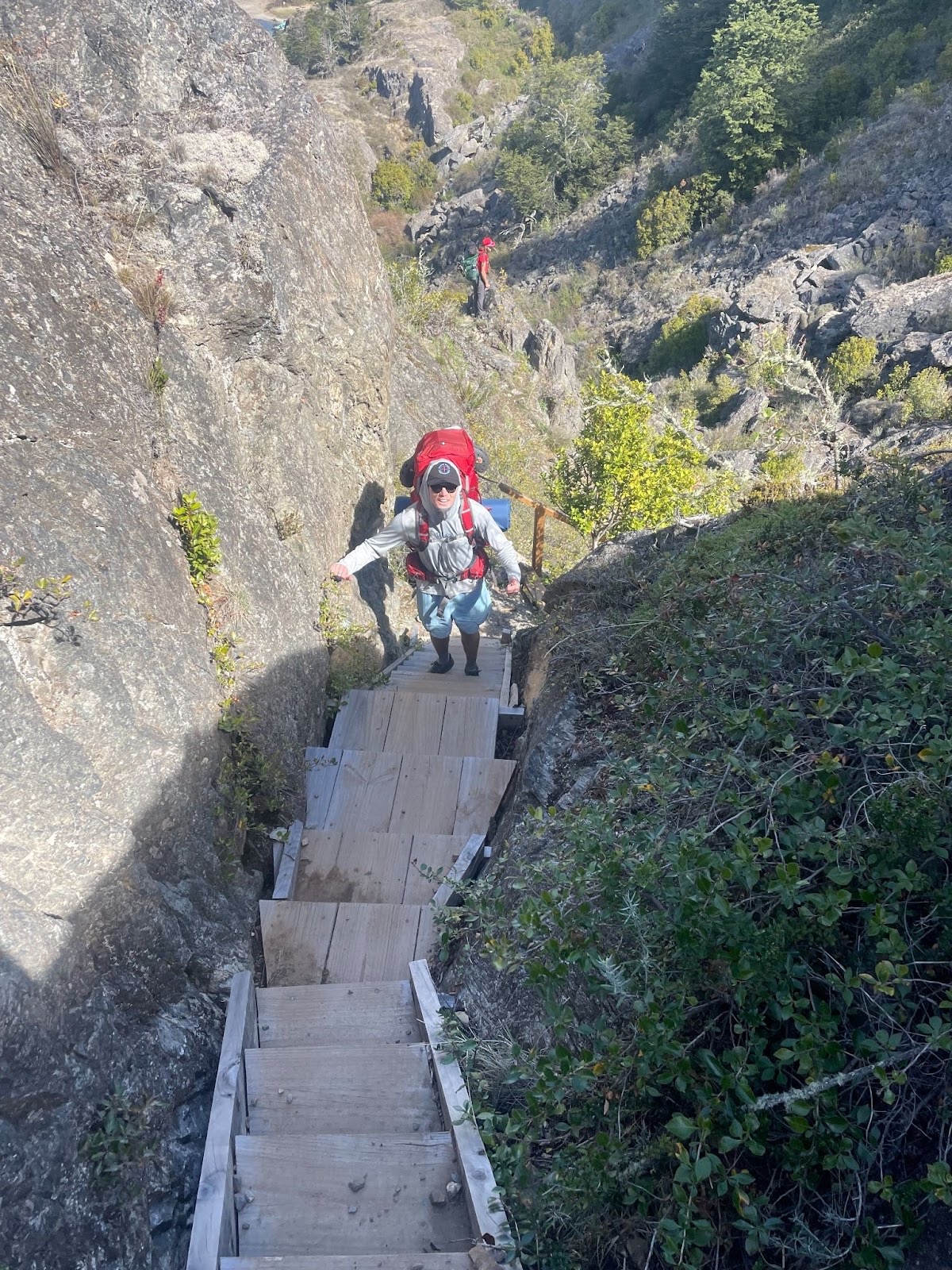
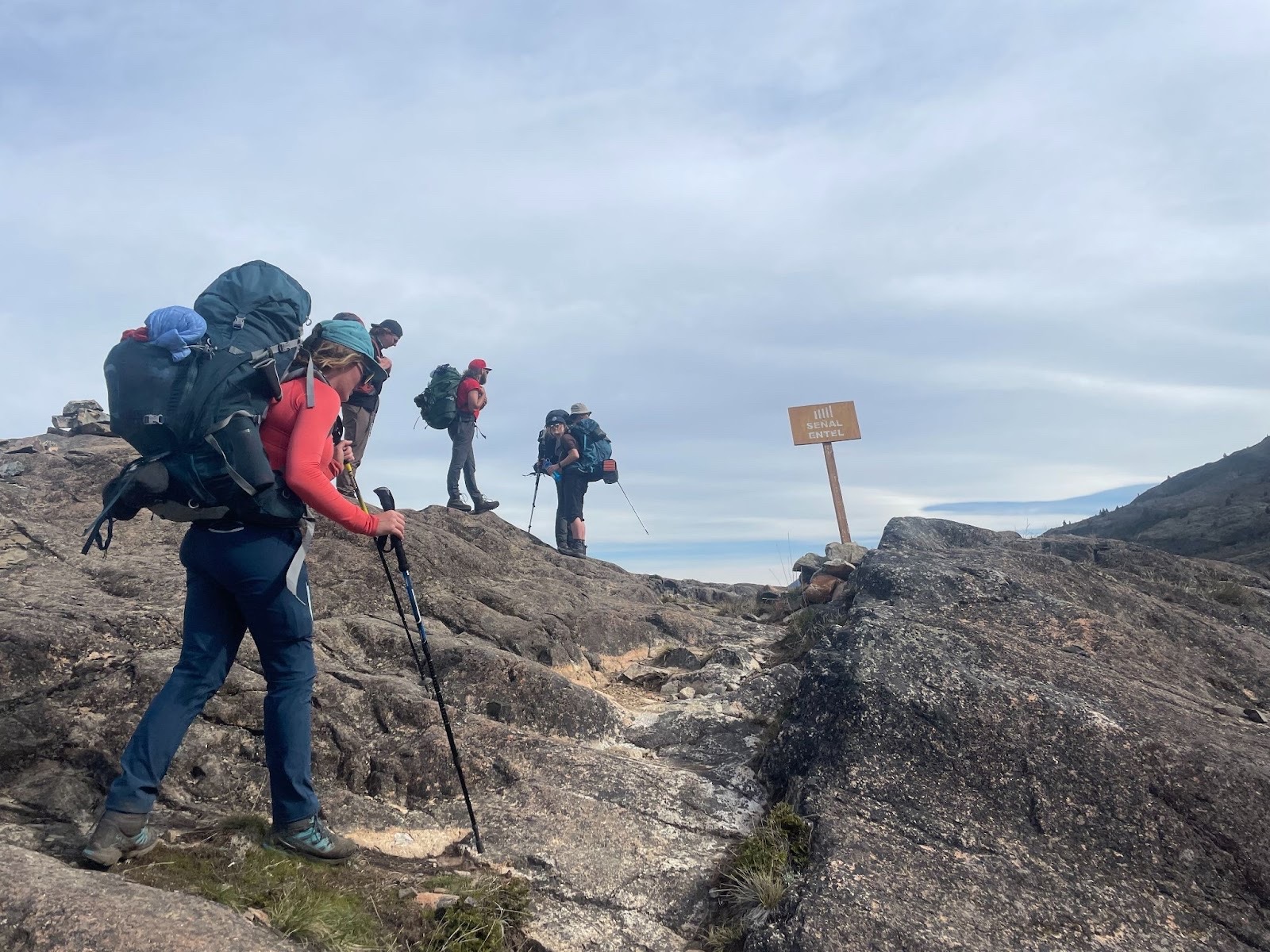
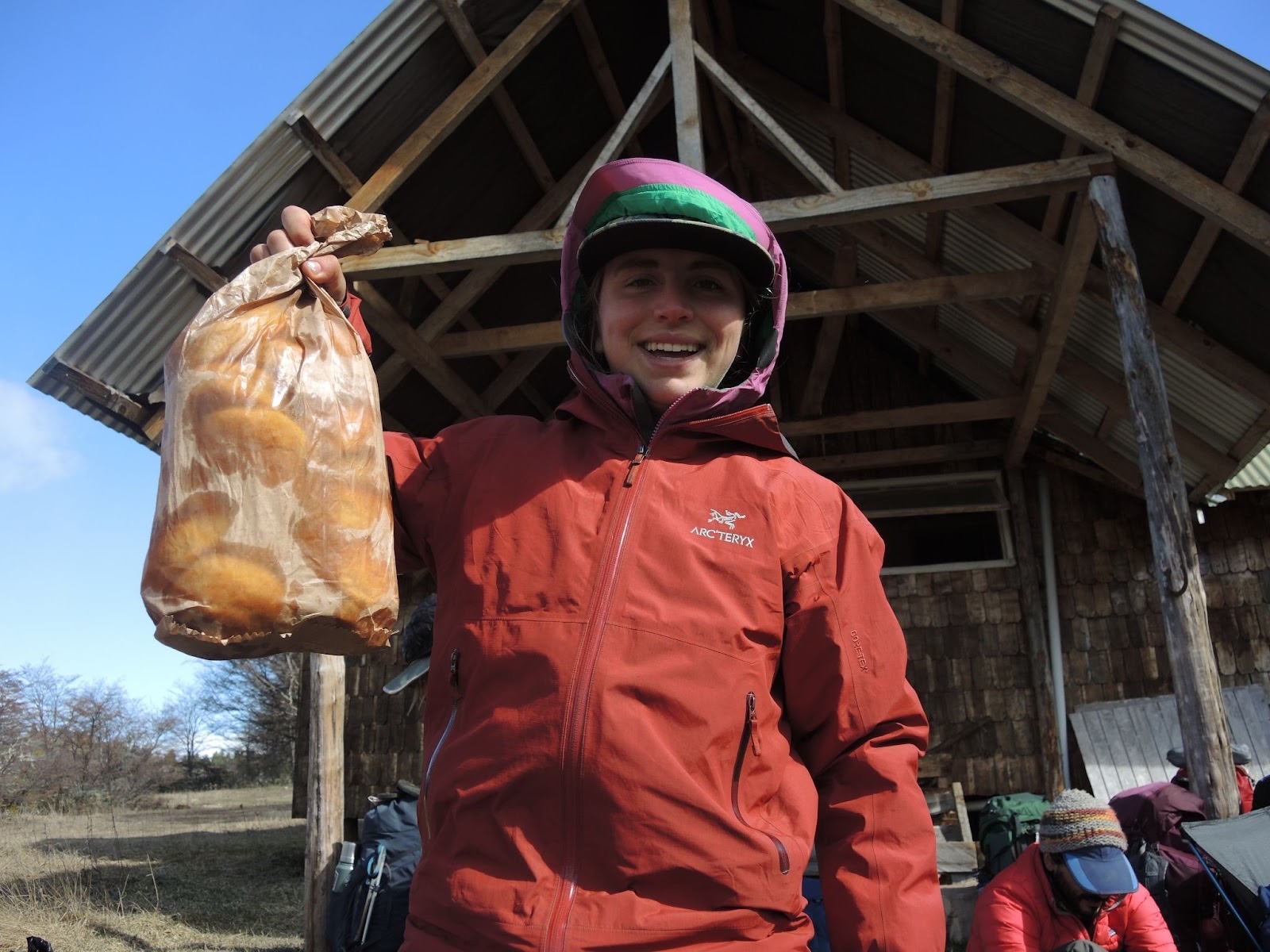
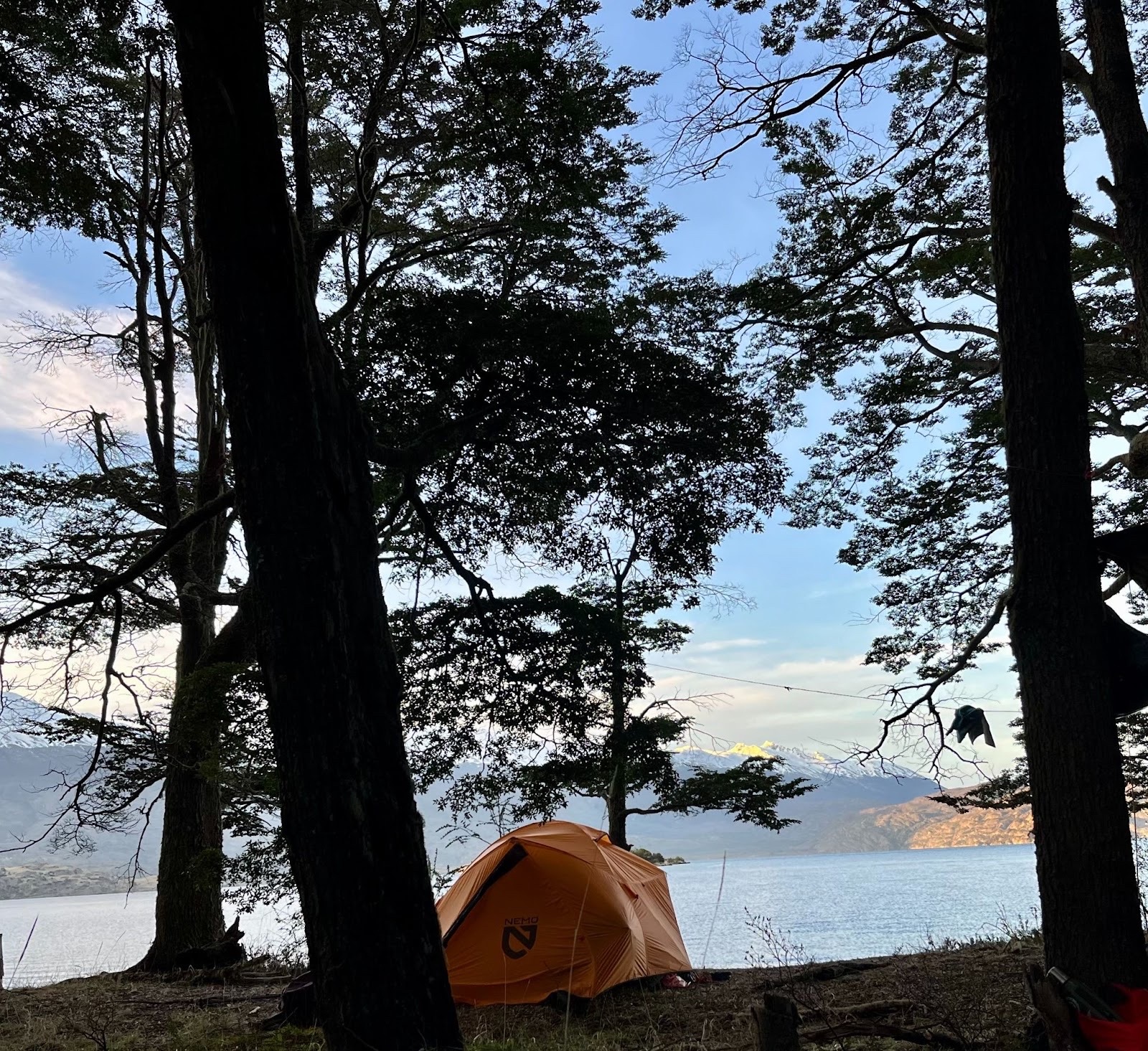
On Monday, September 26, we woke up to a rainy cold morning, more excited at the prospect of staying in our quincho and drinking mate than going out for our first backpacking trip. After packing up camp, our two vans headed to the Tamango sector of Patagonia National Park (PNP) to hike across a landscape sculpted by glaciers, test gear and experience the vast diversity of flora and fauna in the area. We stopped quickly in Cochrane to pick up fresh-made bread from a local bakery and headed towards the park, where upon arrival two rangers made sure we knew the park’s rules and the Las Aguilas trail. After mouthfuls of fresh bread and a hacky-sack circle to warm us up, the dismal mood from the rain turned into one of excitement as we embarked. The Tamango reserve was founded in 1967 and later integrated into the Patagonia National Park. The restoration of these national parks were a part of the Rewilding Chile, a vision of conservation for protecting 28 million acres, spanning across 17 national parks. After hiking through Lenga and Ñirre forest we stopped near a couple cabins and couldn’t resist the temptation of greasy, warm bread awaiting us. We noticed the run-down, brown grass and noted that there had been humans there, sharpening our skills of identifying the impact of humans versus other animals. Leave No Trace principle number 2 was taught to us by our instructor Cal as she went over the importance of walking on durable surfaces. More bread was consumed before we were on our way again. The trail took us above Lake Cochrane. The rain had slowed down throughout the day, allowing the sun to poke through, glistening on the backdrops of snow-capped mountains. We skirted its perimeter, hiking up and down hills, crossing bridges and dodging native calafate shrubs. We stopped for a hearty lunch of tuna, salami, and peanut butter and jelly around midday to go over some preliminary plant identifications and leave no trace principles. Our instructor Cal demonstrated the fine art of leave no trace principle number 3, “disposing of waste properly”, showing us the intricacies of the backcountry bidet. The magic of the fresh bread still held a spell over us, as we gobbled more pieces than we had allotted for ourselves in a day greedily. After lunch, we began walking again along the cliffs of a crystal blue lake, descending around midday to settle into our campsite for the night in a dense Coigüe forest, right at the edge of the lake. With dinner behind us and our tents set up, we settled into our sleeping bags with sore legs, bellies full and hearts content.
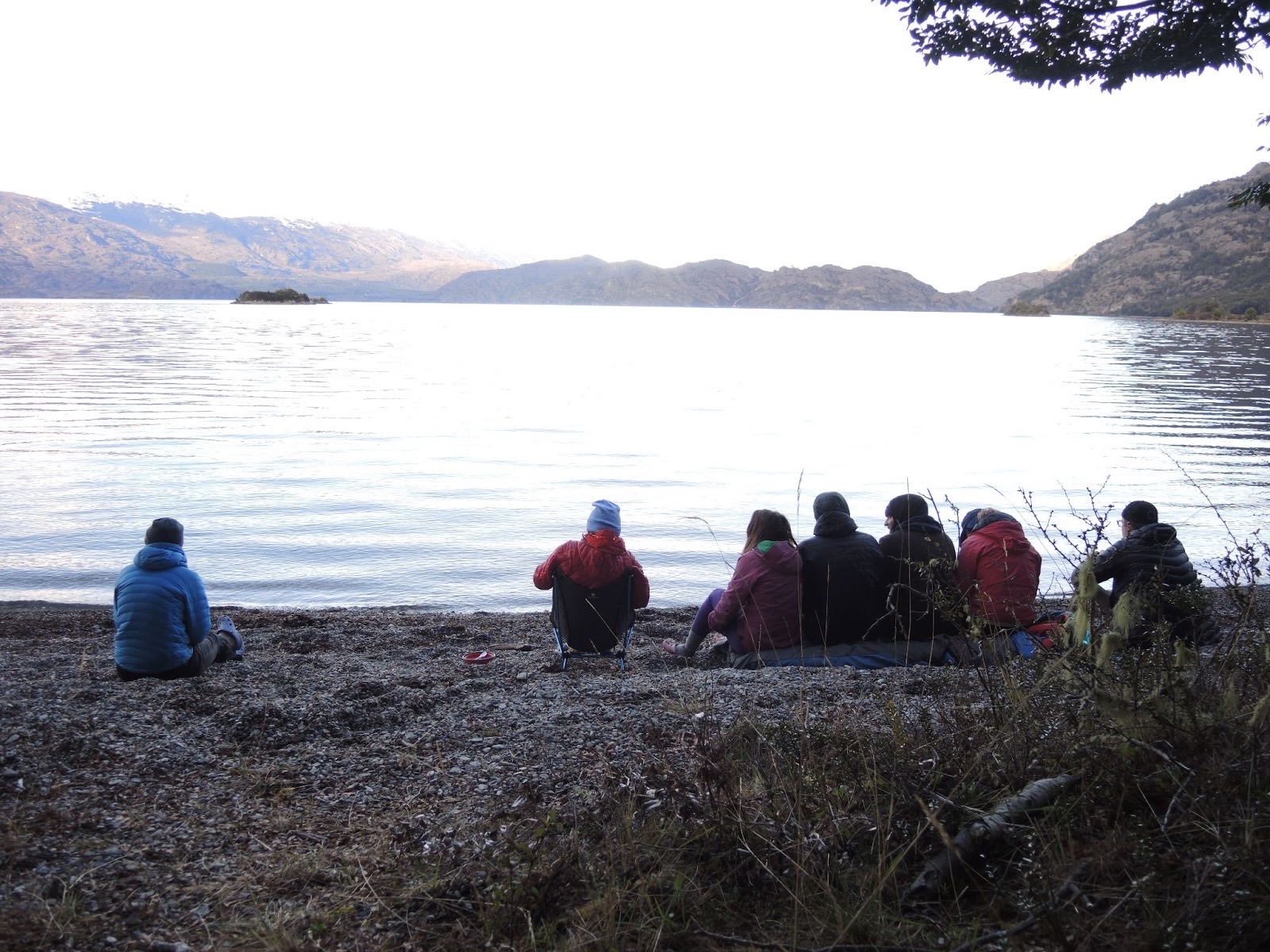
The next day we woke up to the sound of water boiling and leaped with joy at the thought of all of our coming breakfasts to be consisting of oatmeal. Yet, the variety of toppings allows individuality, with chia seeds, sugar, raisins, dried apple and coconut being some of the ones available. We wandered down the lake beach to listen to our instructor Gabe teach classes in our crazy creek chairs about using binoculars and compasses correctly and an introduction to identifying birds. The group was stoked to identify the first bird we saw, all of us grabbing binoculars and field guides to roughly make out a type of cormorant bird on the lake. After classes, with the sun out, we all decided to jump in the freezing lake in front of us. A shock to the system, but a much-needed one. After lunch, which of course, included still-good day old bread, we were led by our instructor Cal on a 40-minute naturalist walk, sketching flora and fauna we thought were interesting and all converging in a grassy meadow about 400 m from camp. Having to sketch plants I had never seen before made me gain an appreciation for the environment around me in a new light. Settled in the sun, we discussed our sketches and the importance of noticing the natural world around us. A yummy pasta dinner awaited us when we got back to camp and we all enjoyed playing a round of telephone on the beach, watching the sun set on a good day.
The next morning we began the hike back along the trail to complete the loop. While we were packing up, Oskar had found a lone piece of bread, forgotten at the bottom of a slick bread bag. His eyes lit up with joy and a couple of us gathered around, snatching bites of day-old bread. With the superfood in our tummies, we set off on trail. Our instructors Claudia and Gabe helped us identify common Chilean plants such as Sauco de Diablo, more calafate, and bird calls such as the rayadito and a possible owl. Along the hike, we saw evidence of uncontrolled burns in the area. Charred and broken trees and black marks on the ground could have pointed to the campers not putting out their fires correctly or things that got out of control. It was important to note because it marked the impact of misproper human use in protected areas. After a rollercoaster hiking up and down hills along the lake, we settled on a riverside spot for our lunch. The water along the river looked like it belonged in the tropics. It was clear blue and turquoise, a sight that looked inviting and some of us jumped in, including our instructor Jose. The sun was out and the views were gorgeous as we continued along the trail back to where we started to drive back to our basecamp. The trail took us 22 kilometers along steep terrain and beautiful views and was fueled solely on fresh-baked bread. It was a wonderful introduction to the beauty of Patagonia and the beginning of my immense gratitude for being able to study, learn and explore such a place.