by Sophia Merriweather of Colby College
The huemul (Hippocamelus bisculus) is a deer endemic to southern Chile and Argentina that holds great cultural significance to the Chilean people. It is featured on the Chilean coat of arms along with the Andean Condor. Unfortunately, the huemul is endangered with only about 1,500 individuals in a few scattered populations remaining in Chile. The survival of the species is threatened by human development, predation by foxes and wild dogs, and cattle. Cattle push huemul into higher elevations where they are unable to get minerals found in lower valleys causing gum disease and brittle bones.
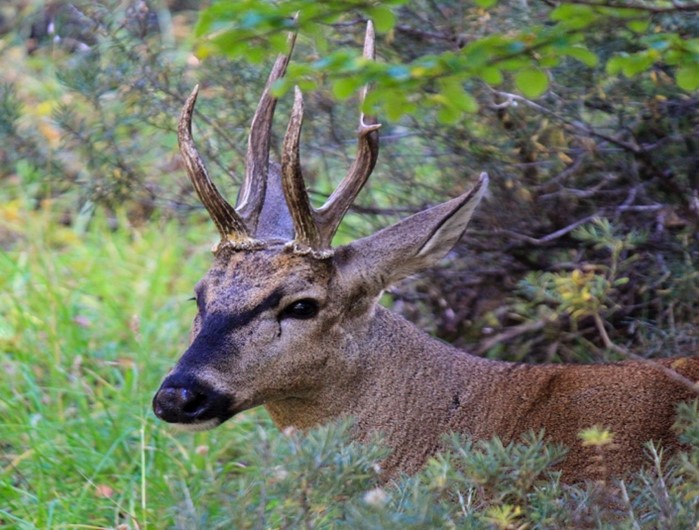
Our goal on this trip was to document evidence of huemul in the Furioso Sector of Patagonia National Park and to determine if cattle were impacting the huemul’s range. This area was recently added to the park and many areas of it are relatively unexplored. Benjamín, a CONAF Park ranger, had seen huemul in the area and thought they might be a small population there. He also thought that we might be able to find fossils above the tree line in the same area.
On March 24th, we left basecamp in morning and after a bumpy two-hour car ride, we reached the park entrance. Immediately we came across herds of cattle along the riverbank. If we can show that the cattle are negatively impacting huemul, CONAF might allocate more funds to removing cattle from the park. We left the van next to river and climbed into the trucks for a few rough river crossings.
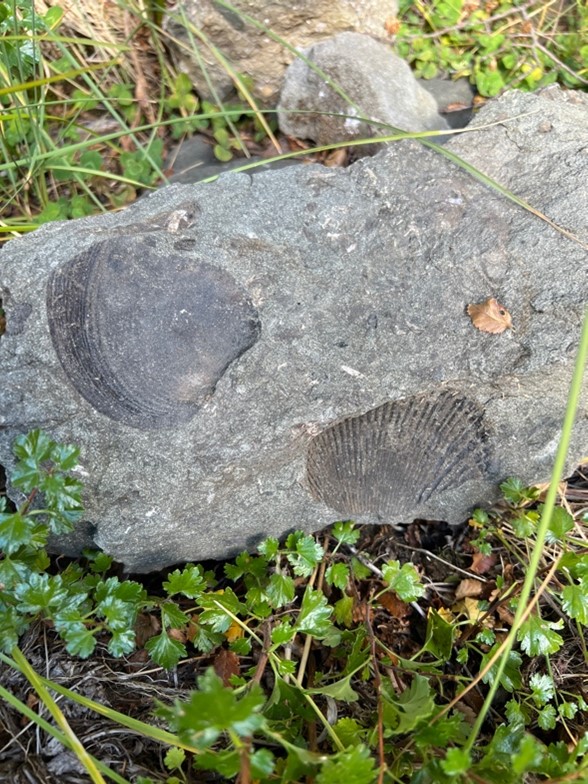
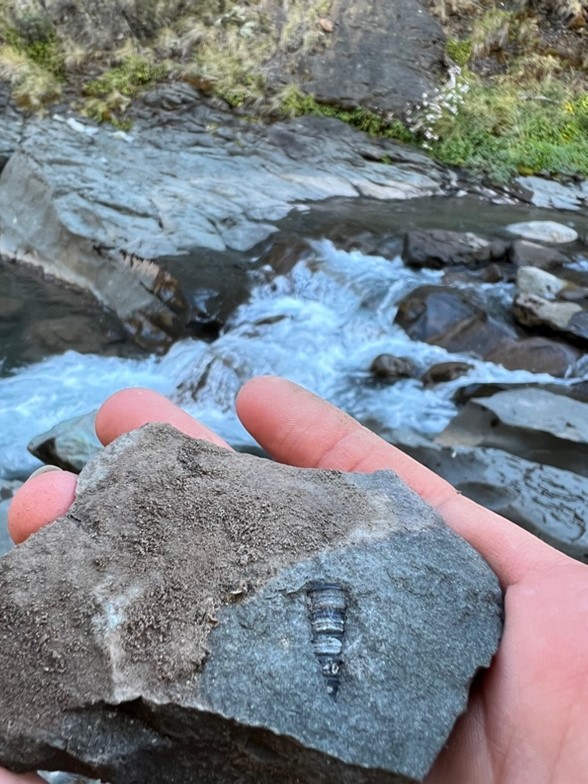
After lunch, we donned our packs and began hiking. It was lovely to get to backpack again since we had been car camping during our last project. We set up camp next to the river, then we split into two groups to scout the area and try to find a good place to begin transects the next morning. One group walked alongside river, while I went with the other group up the hill. We hiked up a steep incline and were met with a ravine too perilous to pass and a beautiful view of the valley. The leaves were just beginning to turn red and yellow. We could see the jagged lines of exposed rock on the mountainside and our little campsite down below. We headed down to the river to look for a way around the ravine where we meet up with the other group who had found a bunch of marine fossils. The perfectly preserved seashells and imprints of shells dotted the rocks.
The next morning, we began transects. I was in a group with Jack, Claudia, and the ranger Benjamín. We climbed up the steep hill through an old growth Lenga forest looking for tracks and scat. Benjamín explained to us the life cycle of the Lenga forest. This was the least disturbed forest we had seen during our time in Patagonia. The adult trees grow for up to 400 years before they fall, often due to wind or harsh winters. We found huemul tracks going up and down the hill. Benjamín estimated that some of the tracks were only 3 days old!
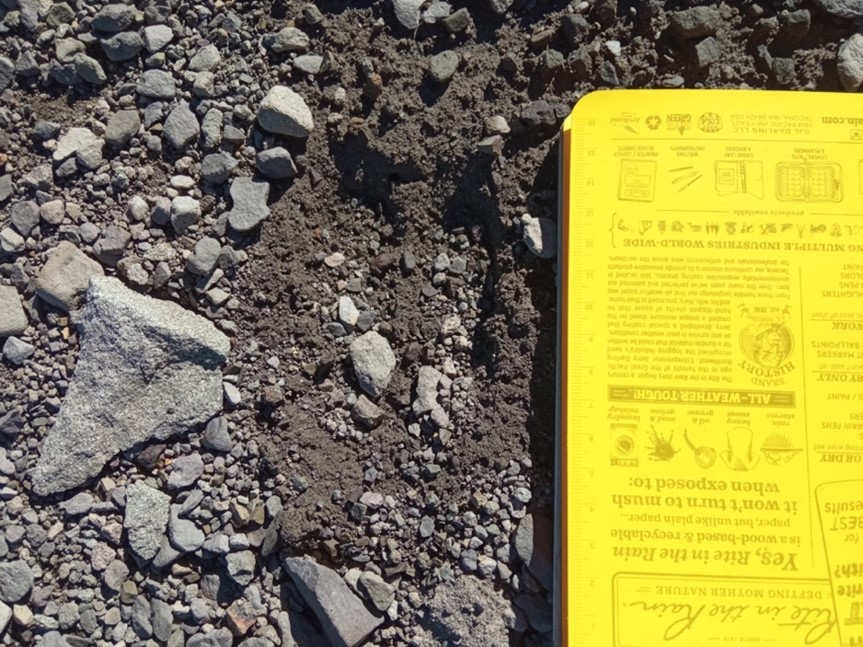
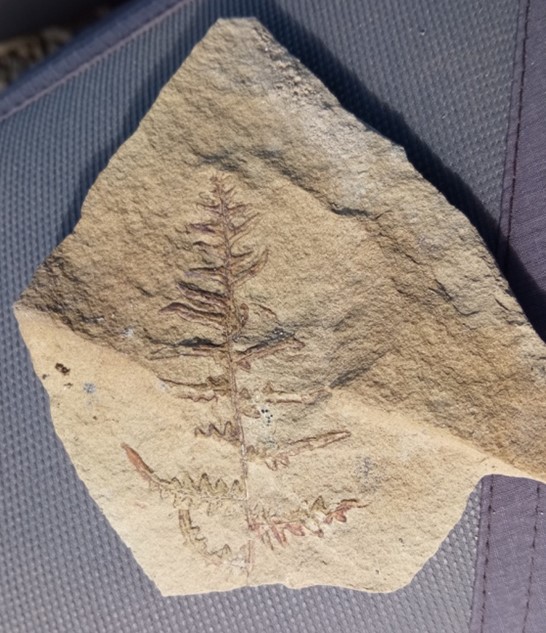
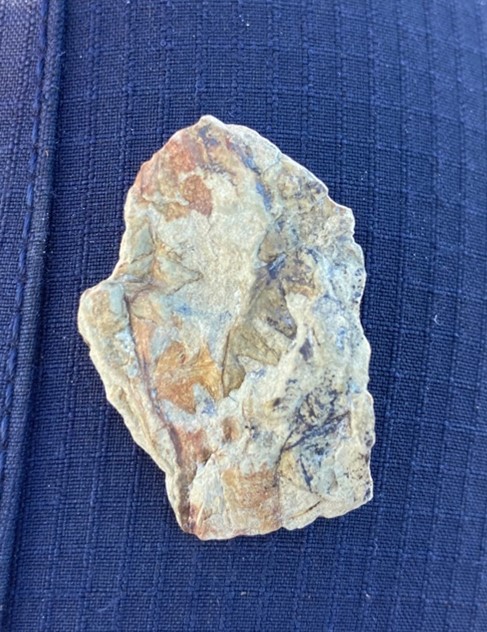
Once we reached the tree line, we stopped for lunch. Then we climbed up the steep rocky slope looking for fossils. The rock formations were breathtaking with the sloping lines of multicolored strata. After searching for almost an hour without seeing any fossils, I was beginning to lose hope. Benjamín found the first fossils and suddenly it seemed like there were fossils everywhere I looked. Some of the leaves still had color with surprisingly vibrant orange and reds. These fossils were in the José formation.
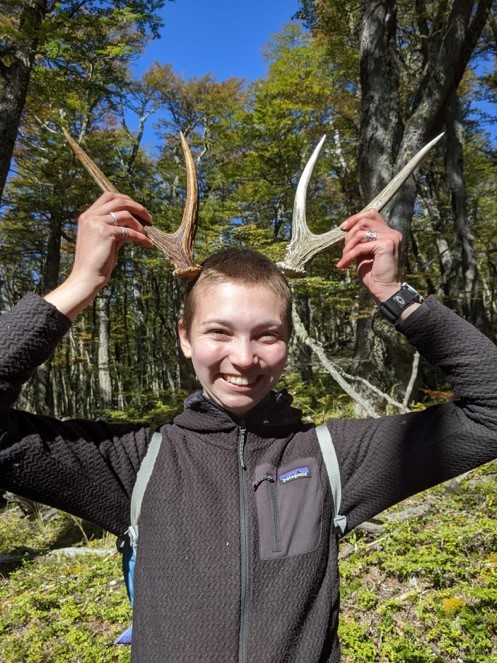
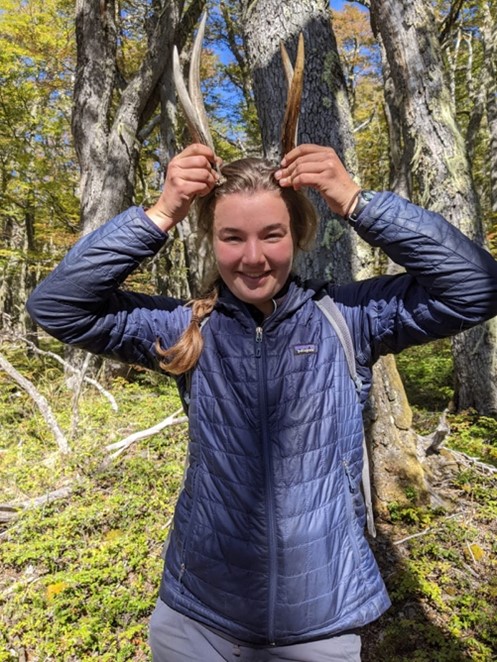
The two other groups met up with us at the summit and were excited to show us the huemul antlers they had found! We then made the long hike back to our campsite for a much-needed meal of burritos.
We started transects early the next morning north of our campsite. I was in a group with Hailey and Nick. We went a little slower because I had hurt my hip the day before. While we didn’t find any evidence of huemul, we did find lots of cow scat and a few cow tracks as well a track that might have been puma. Once we got to the tree line, we scrambled up the steep hill. The rocks were loose and slid out from under our feet. It was so steep we had to crawl up on our hands and feet.
On the way back to camp, it began to rain. After a cold and wet evening, our instructors decided to end trip early as heavy rain would make it quite difficult to continue transects. The next morning half our group went to set up camera traps while the other half went to wait out the rain in the truck. I elected to wait in the truck to give my hip a rest.
Overall, I had an amazing time on this trip. This project was especially exciting as our findings have the potential to help restore huemul populations in Patagonia National Park!