By Amber Davis, University of Vermont
Unfortunately, in Botswana we have not seen any wild dogs (Lycaon pictus), so the only large predators I have seen fall under the felid category. I will admit that before coming to Africa I wanted to see lions (Panthera leo) more than anything else. What I was not aware of is how much a lion sighting would affect me. After the first time I saw lions, I couldn’t wait to see them again. My group definitely considers me lion crazy (if that is even a thing). I think I can confidently say that I have a healthy obsession with them.
The African lion, unlike many other cats, are social beings. They live in prides that can reach up to thirty individuals. However, prides of this size are not common because it reduces food availability and energy intake. We’ve only seen a pride of 8 lions. A pride can consist of adult, sub-adult and juvenile males and females. If a pride has more than one adult male, it can be assumed they are brothers (or closely related). It is common to have a pride consisting of related females and one attendant male with varying numbers of offspring, but this is not the only social structure seen. While both males and females will defend their territory against the same sex, the act of hunting is often gender specific. Females are the ones going out for the hunt to provide food for the rest of the pride.
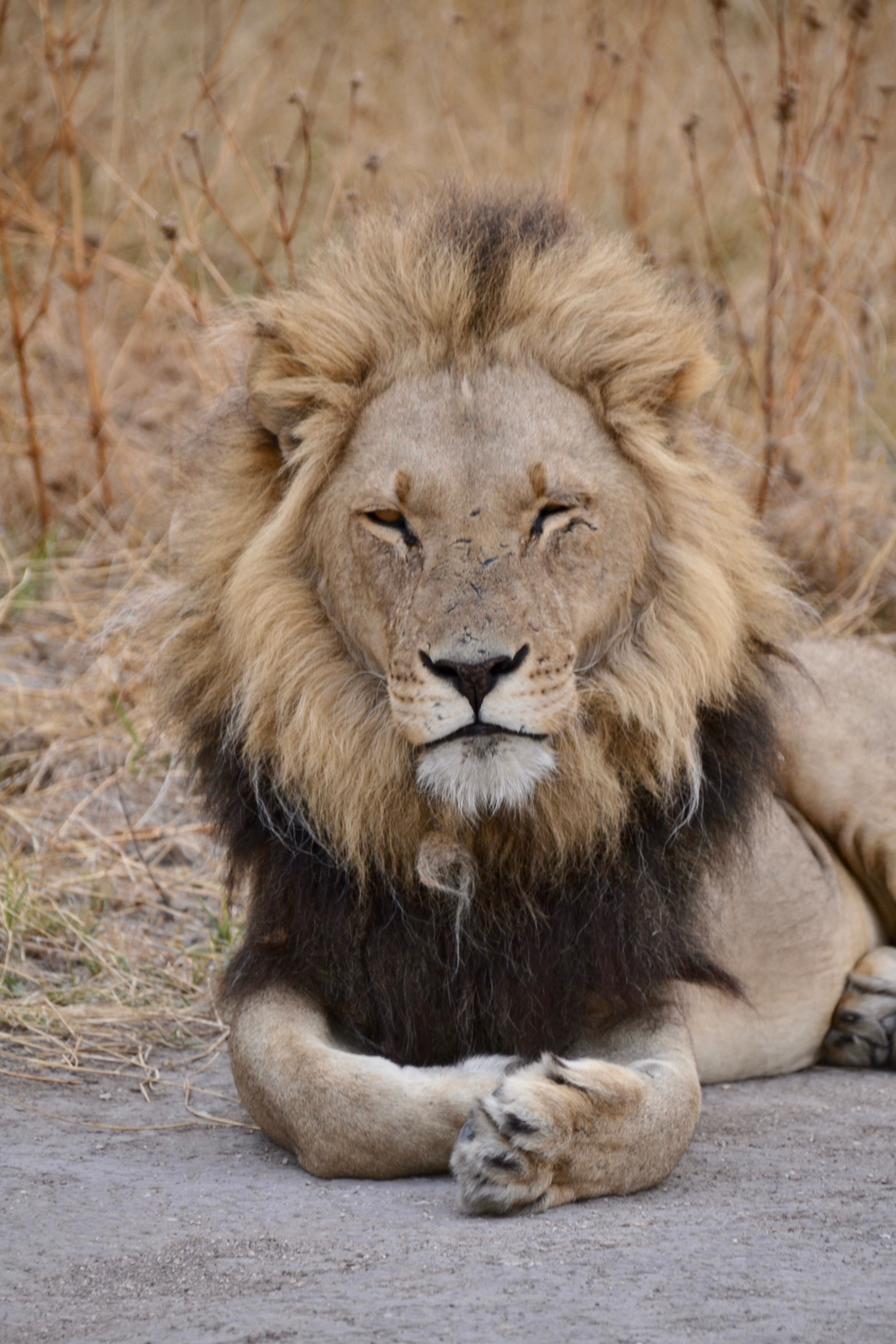
Lions are both nocturnal and diurnal but it is preferred for them to hunt at night or early hours in the morning. Because we only do transects during the day, we’ve only seen them in the morning between the hours of 06:00 a.m. to 10:30 a.m. We have heard them active at night calling to each other and seen their tracks through camp when we wake up. Lions are ambush predators; they stalk their prey and then leap in for the kill. This type of hunting is most efficiently done when there is limited light, so that the prey do not see what is coming for them. Once a kill has been captured, the strongest animals in the pride eat first and the young and weak are left to fend for themselves. Contrary to popular belief, male lions do not always have a mane, but this is a rare genetic disorder that is not often seen in the Delta. However, this might reduce their lifetime because manes are used as a defense mechanism. Manes help protect a males neck from bites received during fighting and they artificially enhance their size appearance, making them more threatening to an opposing lion.
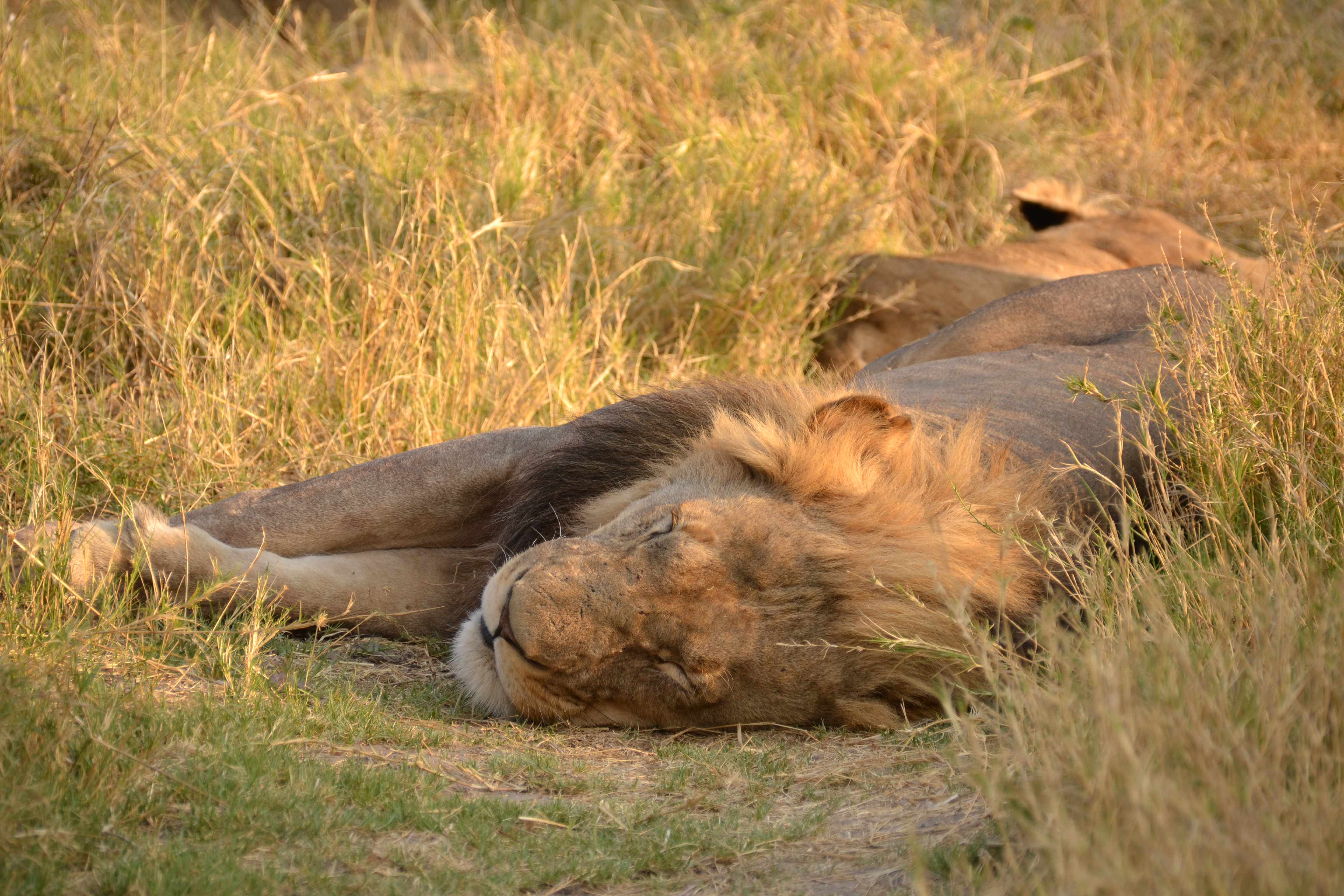
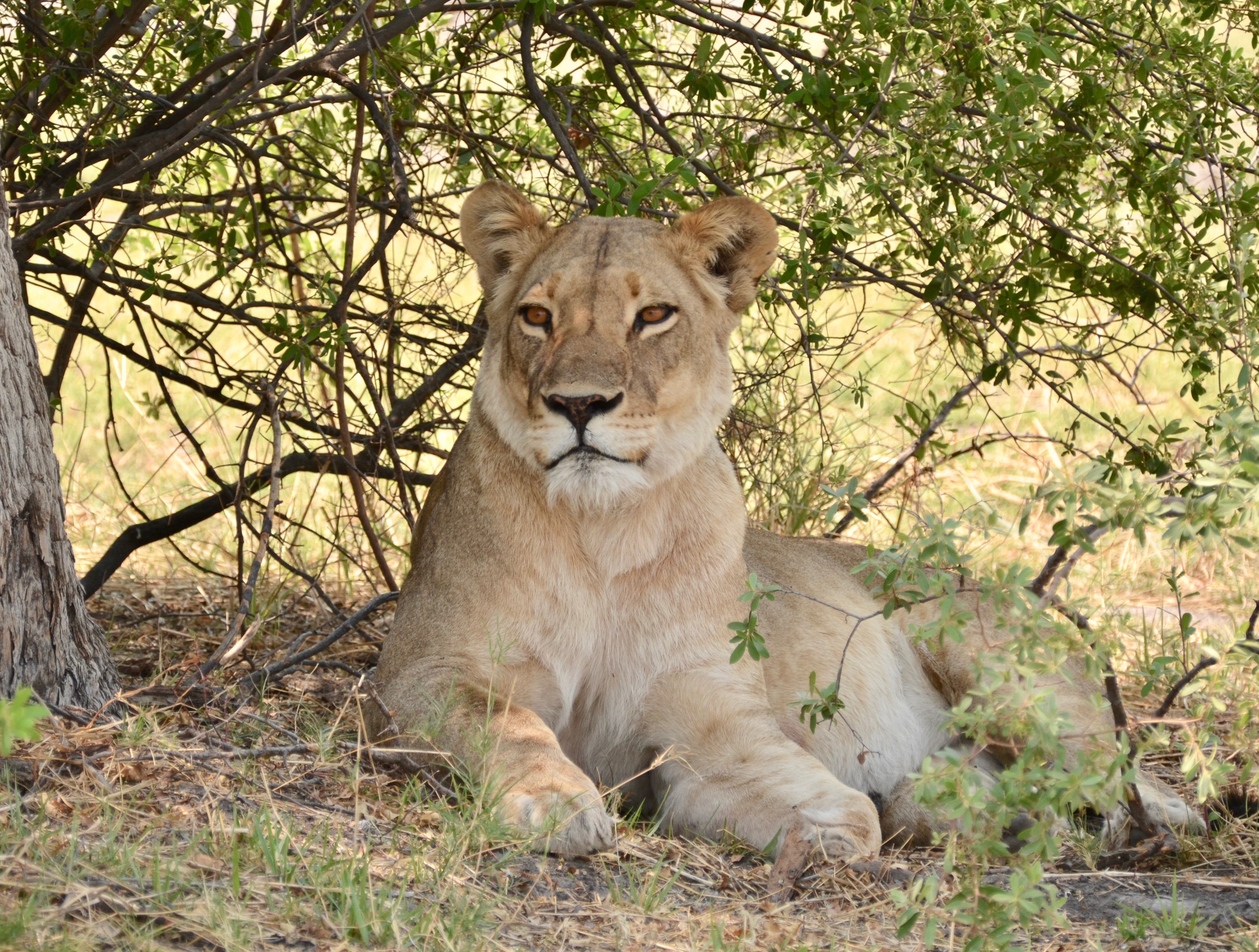
Lions are known as majestic beasts capable of killing almost anything, but what people often don’t know is that they are incredibly laid back animals. The first two times we saw lions, they were lying down and weren’t doing much besides sleeping or relaxing. They are almost completely inactive during the heat of the day. It is not unlikely to see them lying in the middle of the road in the early mornings and evening before the sun has fully risen or set. Dawn and dusk are the best times to observe lions because they are lying in plain sight. However, during the middle of the day, they retreat to bushes and nap under the shade.
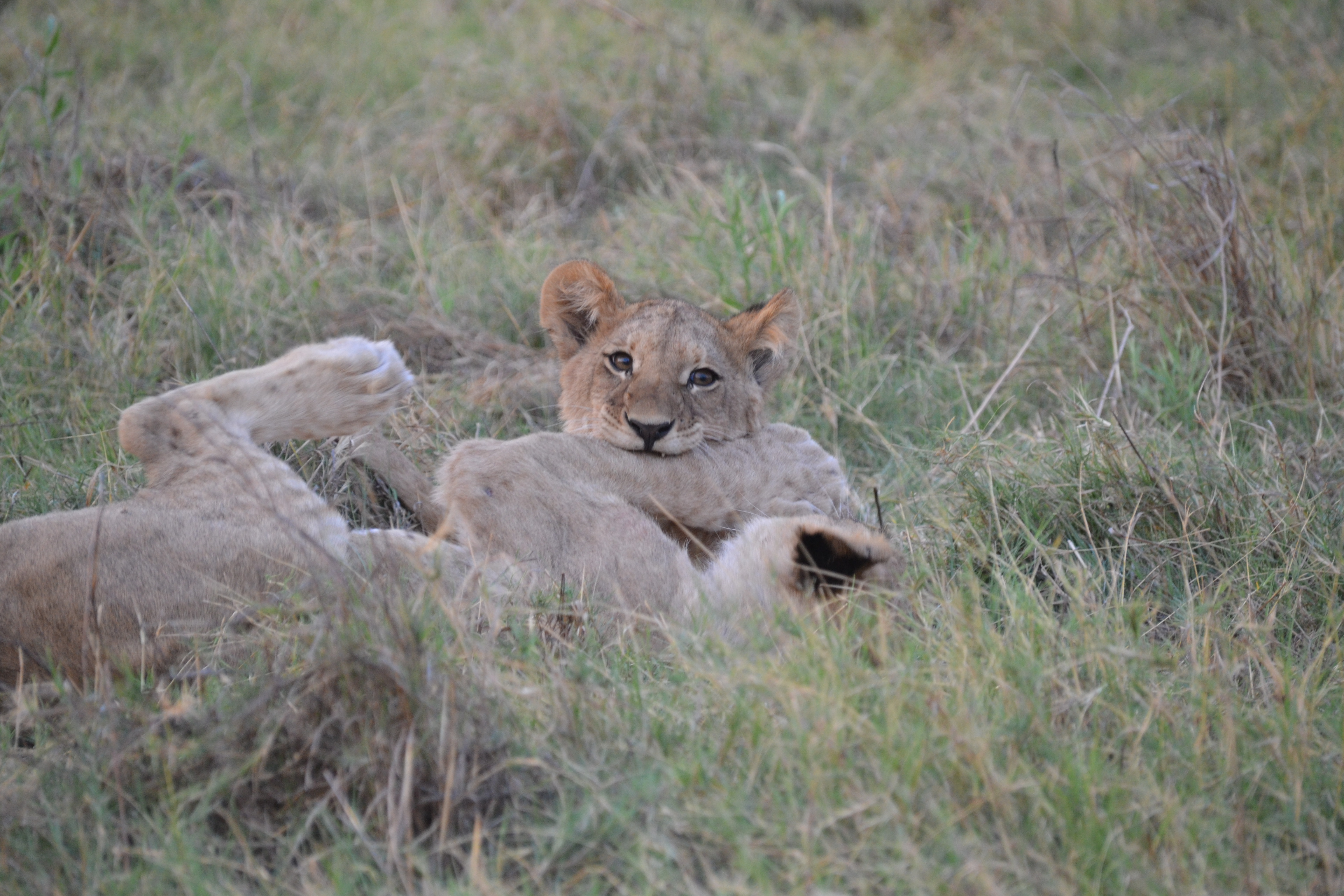
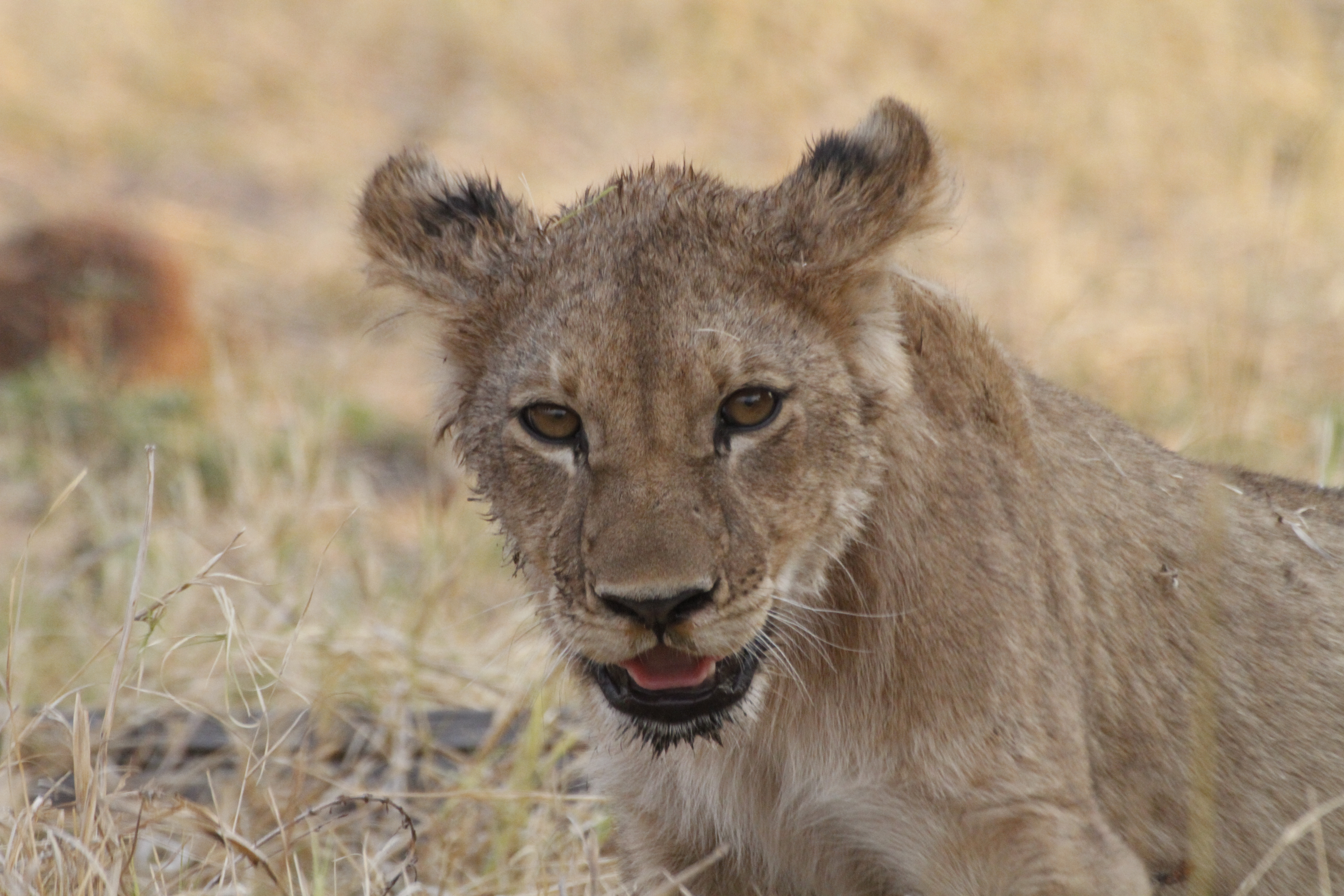
Lions rule as the kings and queens of African wildlife! Because they are on top of the food chain and have limited threats, they are usually not fussed by human presence, which means we can observe them (safely) from close range. I have had the opportunity to see two different sets of brothers, witness four lion cubs playing with each other and beautiful lionesses watching over their cubs. Lions have been the most captivating and awe-inspiring animal I have seen in Botswana.