By: Jacob Baldner, University of Montana
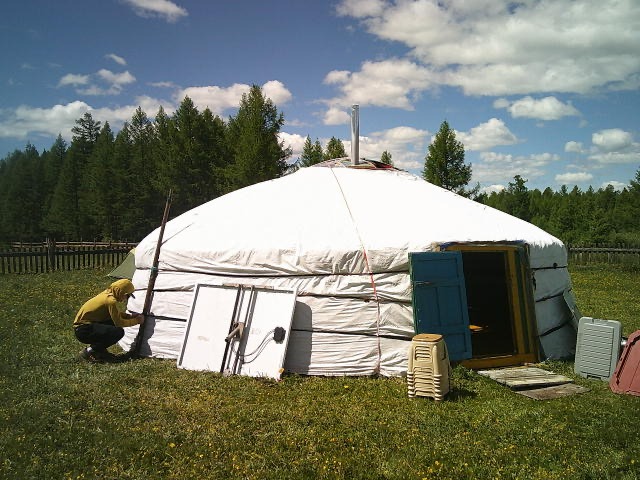
On June 19th (most of) our summer 2026 Round River Mongolia cohort landed at the Chinggis Khaan International Airport of Ulaanbaatar. After passing through customs, we were greeted by the friendly faces of soon-to-be instructors and locals willing to give us and all our luggage a ride from the airport into the city. The airport itself sits noticeably outside the city, surrounded by the infamous Mongolian steppe, populated with livestock and gers, as we expected. What we were not expecting was the bustling city just beyond it. Ulaanbaatar houses about sixty percent of Mongolia’s population. Its expanse of developing skyscrapers and a never-ending sea of Toyota Priuses came as a surprise to foreigners who knew next to nothing about Mongolia before the plane landed.
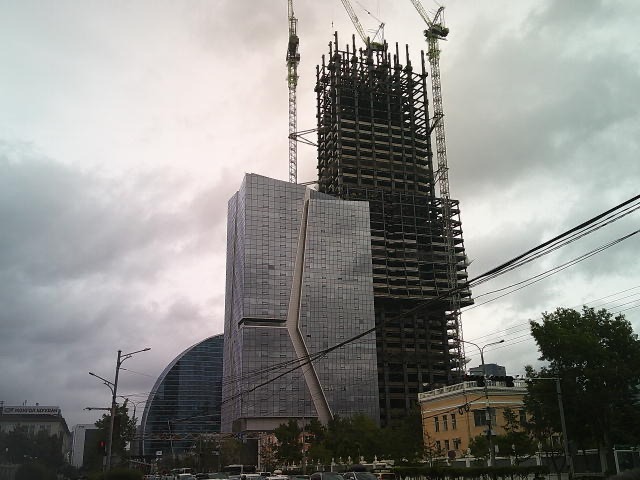
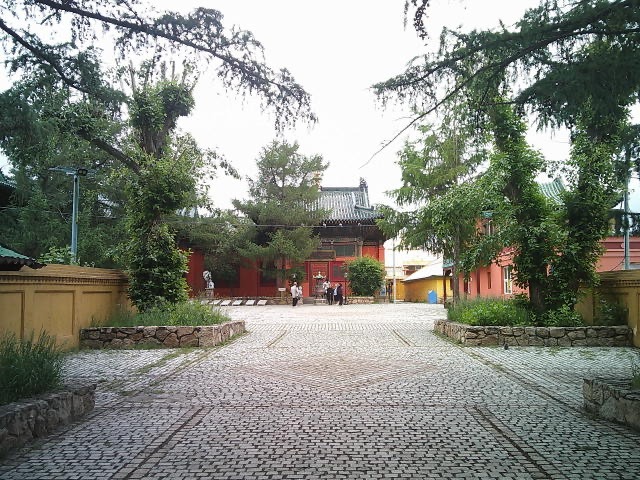
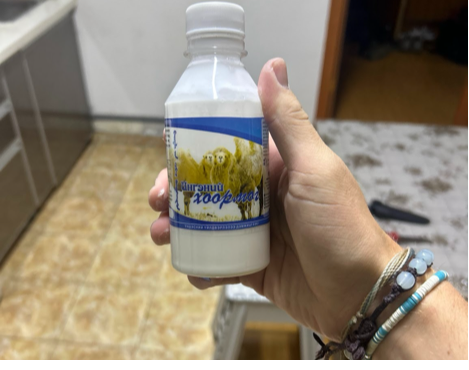
Urbanization is happening rapidly in Mongolia. When the Soviet occupation of Mongolia ended in the nineties, the country swiftly formed a capitalist democracy. In those last thirty years, the country has been rapidly modernizing. This became apparent during our two-day stay in the city. However, culture is still certainly present. We visited the beautiful Gandantegchinlen Monastery (the largest monastery in Mongolia) and had the opportunity to sit in on monks practicing, spin prayer wheels, and stand under humongous statues of deities. These city days were fast-moving and fascinating, but by the end, we were raring to get out and begin our two-day journey to the Darhad Valley (not before indulging in the sweet, sweet taste of fermented camel’s milk).
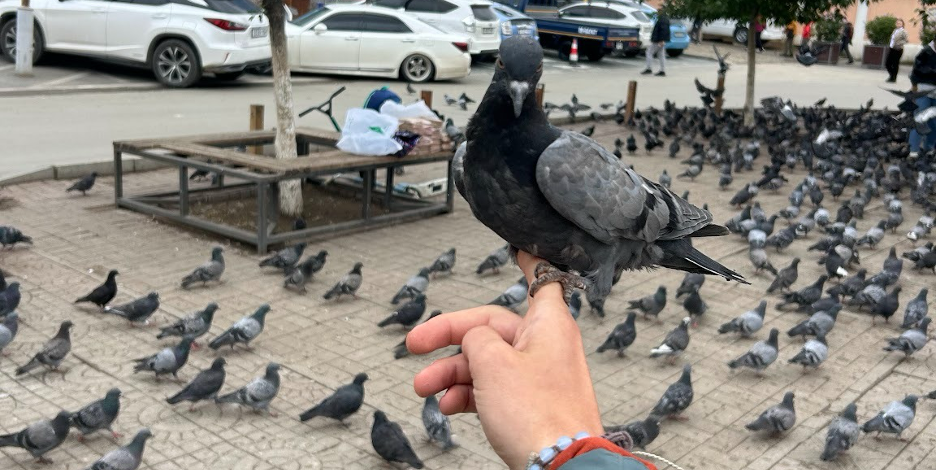
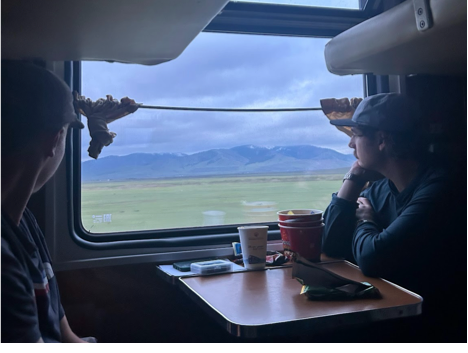
On the way out of the city, we began to see the Mongolia we heard about during our first couple of lectures in the city. On the sleeper train from Ulaanbaatar to Erdenet, we saw the massive steppe filled with demoiselle cranes, black kites, ducks, red foxes, camels (and of course cows). There is a lot of overlap between mammals in the American West and those in Mongolia, excluding camels, but there are very few shared bird species. Mongolia’s diverse landscape, from the mountains to the steppe to the Gobi Desert, makes for an incredibly diverse catalog of birds. Many of these birds must migrate over the Himalayas, and a lot of them only breed, or are residents, in the northern pocket of Mongolia, where the Darhad Valley is. To say we were excited to finally get to this amazing place and see its amazing creatures would have been an understatement.
The closer we got to the Darhad, the more interesting the ecology got. Driving north from the city of Moron, we saw our first Siberian larch forest. This forest type, in combination with riparian meadows, occupies a large portion of the valleys of northern Mongolia. These ecosystems are stocked full of native plants. Our first camp was in a meadow of wildflowers in full bloom; snowmelt here was very recent in mid-June, so there was a wide variety of early-blooming flowers from a huge diversity of families. Here, we identified as many flowers and birds as we could before being treated to another amazing traditional Mongolian dish.
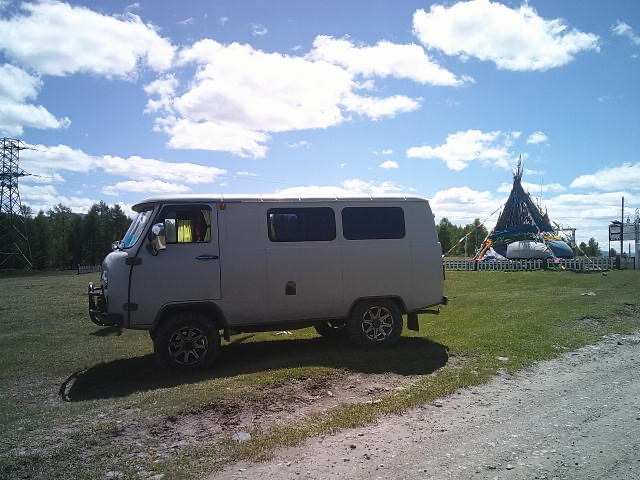
To get around the valley, we rode in old Russian military vans called furgons, with six of us total packed into the seatbelt-less back of the furgon. The bumpy ride up became volatile fast. We desperately scrambled out of the furgons, nauseous and exhausted at the top of Darhad Pass to give an offering to the Ovo. Ovoos are traditional structures in Mongolia that you give to when entering a new area. The ritual of giving rocks and bread, and thinking about what you want this new area to give you, felt incredibly powerful. These ovoos, specifically, were up to three thousand years old. This ritual, and the history behind it, made it clear how important and valued this area we were about to spend six weeks getting to know truly was.
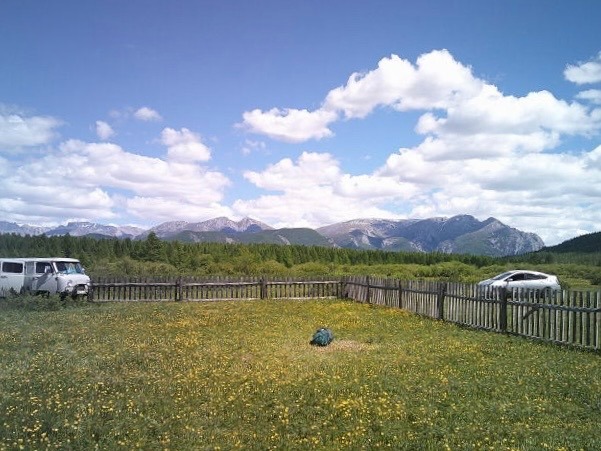
When our furgon marathon ended, we were greeted with tea by the park staff of the three protected areas encircling the valley, and made it to our base camp. Setting down our luggage for the last time, we set our eyes upon the immense and sheer Khoridol-Saridag mountains splayed out before us, with Mungash Mountain directly in front of us, completely surrounded and immersed in Siberian larch and yellow buttercups.
The bustle of the rapidly developing Mongolian urban centers at the start of our travels could not have stood in starker contrast to our base camp in the Darhad Valley and all the species of mammals, birds, and plants we met along the way. Traveling this way lets us see many sides of Mongolia, and in our next six weeks here, we’ll get the experience this astounding side of the country, the Darhad Valley, has to offer.