
By: Alice Gipe, University of Vermont
Our last field work trip of the semester took place right in our backyard in Reserva Nacional Tamango. For the past 2 months, we have been able to see Tamango, a mountain just northeast of Aquasol (our base camp), as it transitions through the seasons. Starting in early March, I would wake up on a particularly chilly morning to see the peak covered in snow. By late March, the Lenga trees closest to tree line had turned a vibrant red, indicating that we had entered autumn in the Southern Hemisphere. Now in the first week of April, we got the opportunity to explore the region while collecting important data on the conditions of the trails.
The purpose of this field work was to assess the impacts of increased recreational use on the trail system in Tamango. We split up into groups and were all assigned trails to focus on over the course of 3 days, and on April 7th we set off to the trailhead for a quick training on the methodology of the study. Each group was carrying a GPS, measuring tape, trekking poles, and some data sheets (in addition to all of our backpacking gear). While on the trail, we would use these tools to periodically measure the conditions, marking points on the GPS every time we stopped to do so. This work will help CONAF make any necessary improvements to the trail—whether that involves clearing fallen trees, adding signage, or building a bridge—and our data will also help inform management decisions so that we can sustain healthy ecological conditions despite it being a high-use area.
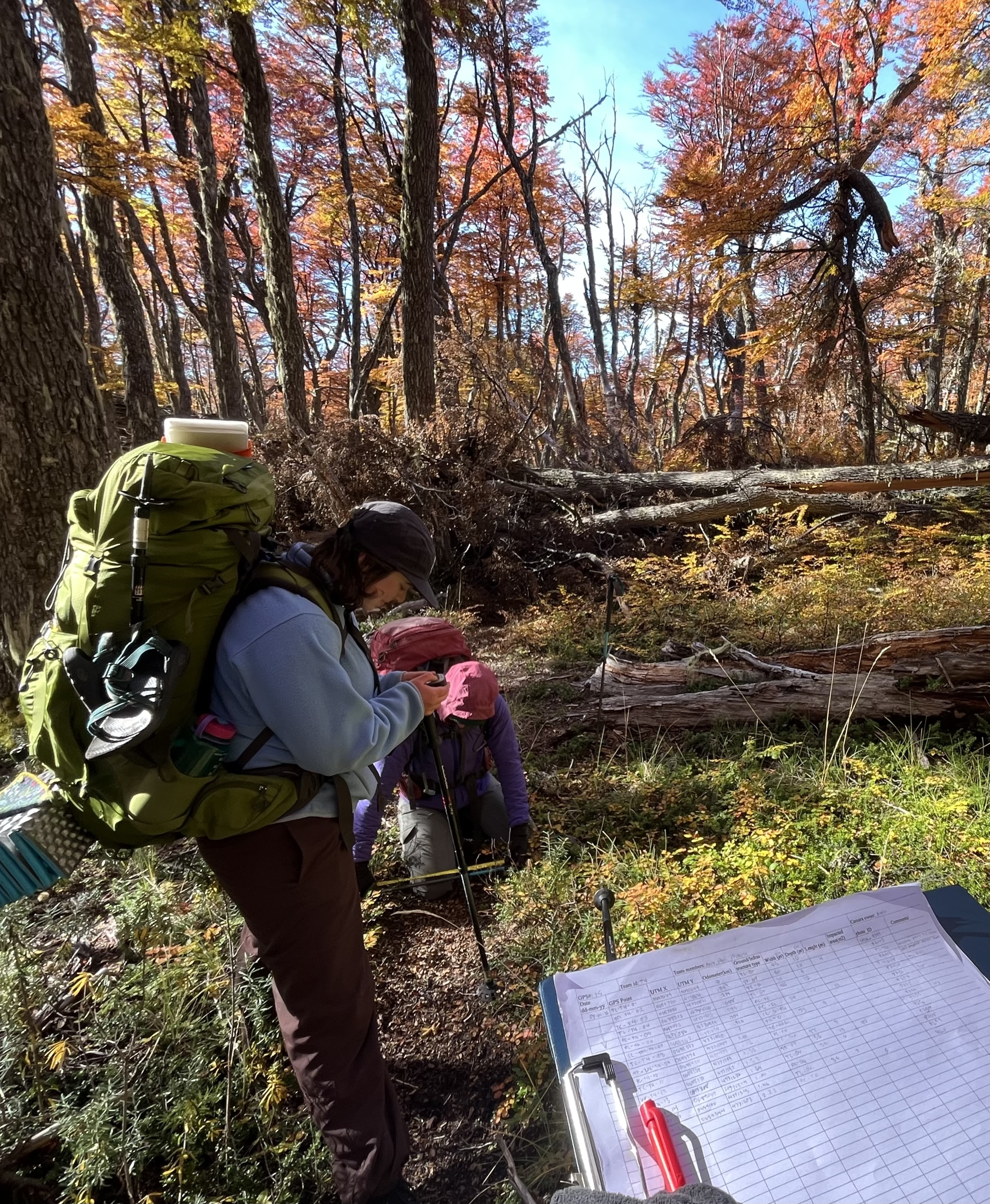
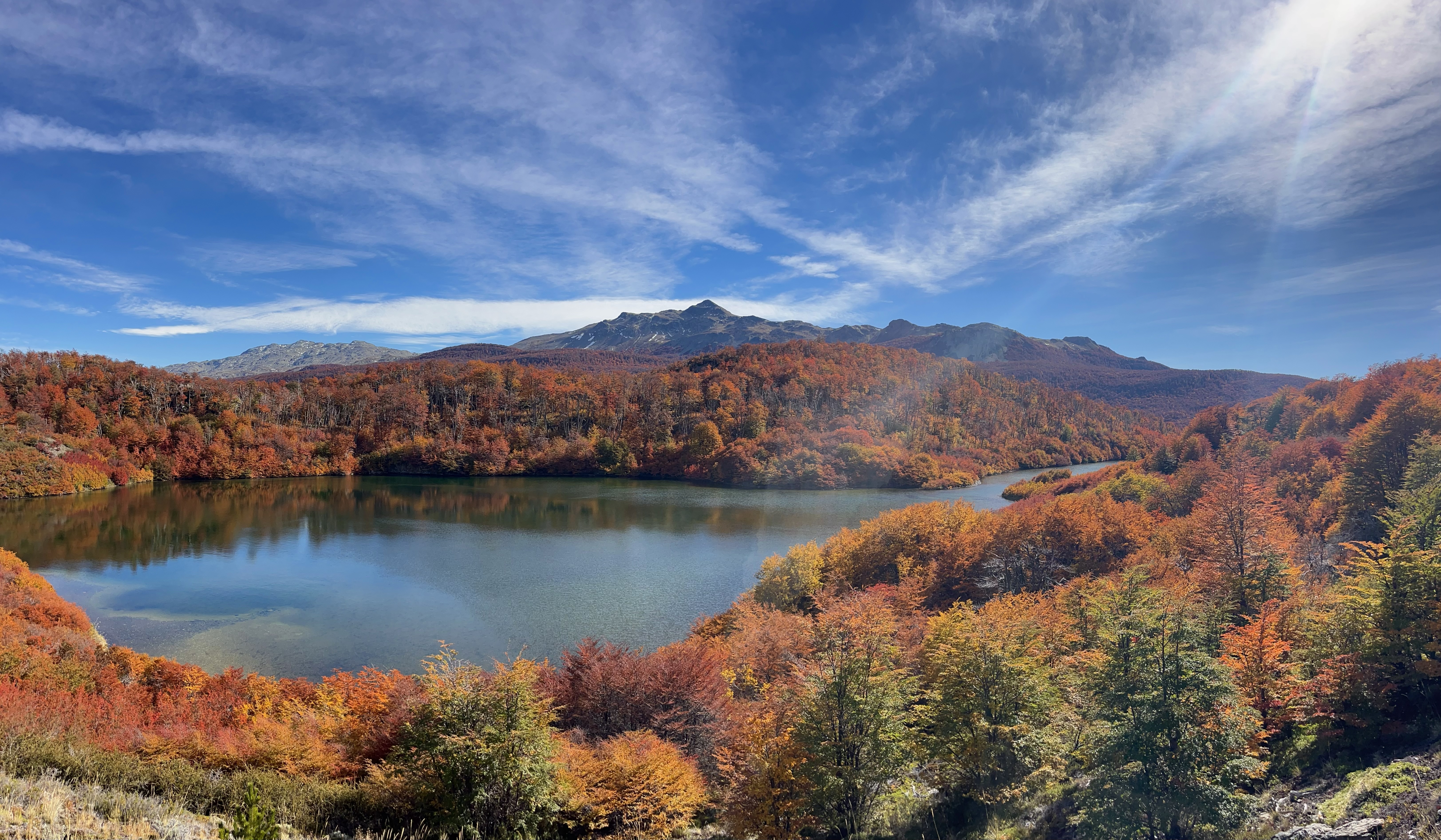
For this trip, I was working with Anna and Mckenzie, my fellow vegetarians on the program. Our task for the first day was to carry the food and cooking supplies up to camp and prep dinner for another group when we arrived. The three of us were blown away by the scenery along the trail: we got to witness the leaves turning orange and red as we increased in elevation, getting stunning views of Cochrane and the mountain ranges in the distance along the way. We arrived at our campsite on Laguna El Canrejo and cooked up some delicious pasta with red sauce, salami, and soy meat, and were able to enjoy it sitting by the side of the lake watching the sun set over the trees. The next morning, we woke up to a magical (and quite chilly) frost coating the ground as well as our tents. After packing up, we set off on the trail and started our data collection, pausing to note conditions as we went, including water crossings, the status of the infrastructure, and the width and depth of the trails.
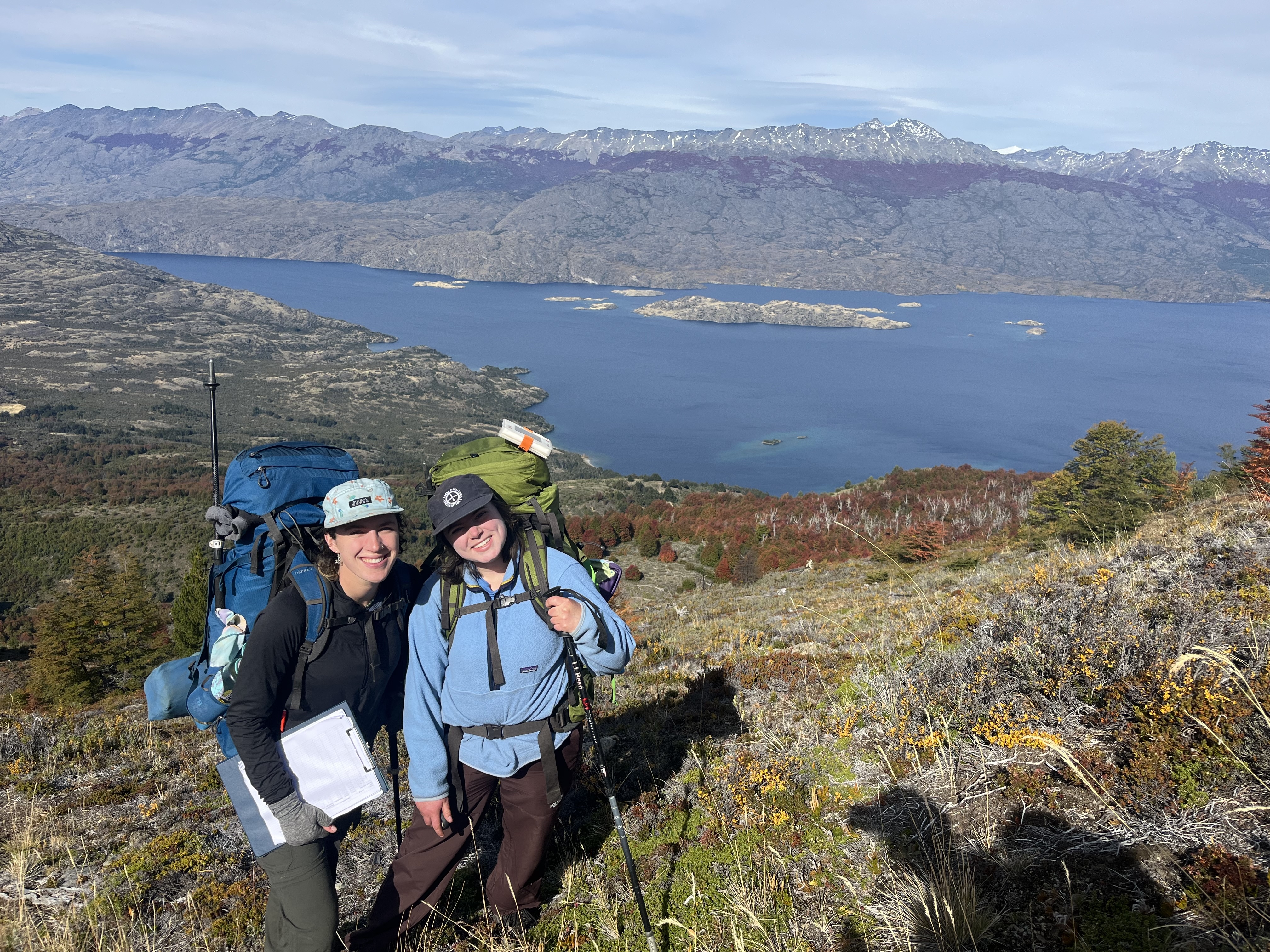
The trails we monitored were also beautiful, showcasing small lakes, waterfalls, breathtaking views, and even a lesser horned owl! During one of our lunch breaks at a viewpoint, we noticed familiar peaks from our previous trips during the semester. We had the vantage point of looking east into the Chacabuco Valley where we had done fieldwork the week prior, and saw distinctive mountains like Cerro La Leona and Cerro Lucas Bridges. Additionally, we could see the vibrant blue water of Lago Cochrane below us to the south, and poking out of the ridge above it was the tip of San Lorenzo, where we went on our first trip to learn about the Agostini glacier. It felt like a true full-circle moment, and it is amazing how much of the Aysen region we have seen in less than 3 months being in Chile.
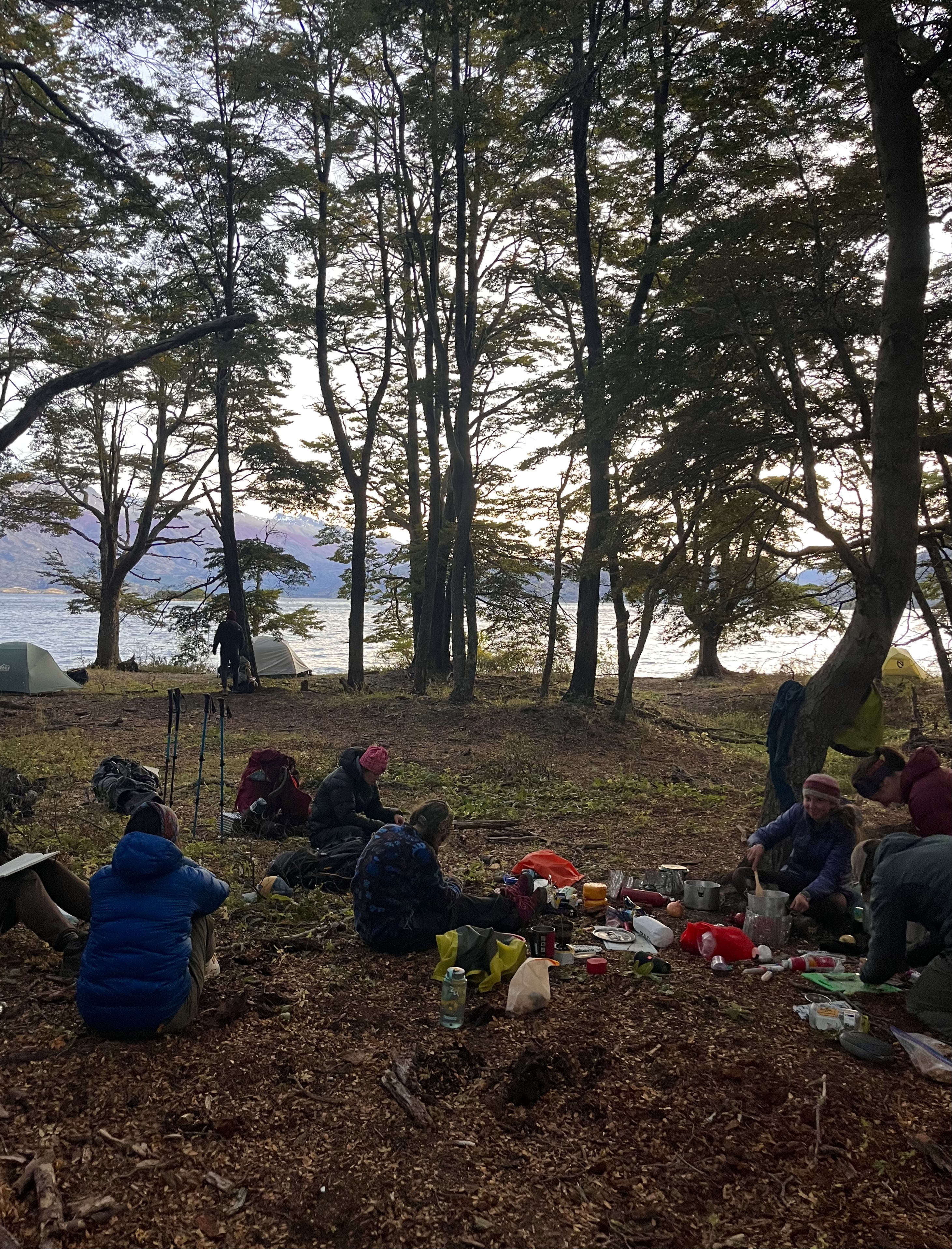
Anna, Mckenzie, and I arrived at our second campsite that afternoon to be greeted by 2 other groups of Round River students cooking dinner on the Whisperlite stoves after they returned from their own sections of trail monitoring. This campsite was located right on the shore of Lago Cochrane, and we got some nice time to relax by the water, catching up with each other and finishing up our field journals from the day. We had a great meal of lentil curry with rice, and after dishes some of us went for a very chilly swim in the lake before crawling into our warm sleeping bags for the night.
The next morning, we rolled out of camp after breakfast and followed the trail back along the lake, practicing our species identification as we moved through the various habitats in the region, noting various plants, birds, and fungi that we had focused on. This backpacking trip could not have gone better, and I had such a great time on the beautiful trails that we got to know very well through our measurements. It has been exciting to see the seasons changing here, and I am glad I brought all of my warm layers for the frosty mornings. After this trip, it’s time to wrap up academics and soak in all the last moments with these amazing people in Aquasol.