By: Josie Cunningham, University of Vermont
After an early morning wake up and a dreary (but beautiful) drive South from our basecamp in Cochrane, Anna and I were thrilled when our instructor Felipe pulled up in front of the picturesque campo that was going to be our home for the next week. We unloaded our bags from the trunk and were greeted by an affectionate cat and dog, but our host Orfelina was nowhere to be found. It took about twenty minutes before we spotted her coming down from a nearby pasture, singlehandly herding about 30 cows with the help of her two scraggly cattle dogs, Mantequilla and Guante. She gave us each a warm hug, and invited us inside where we watched as she expertly whipped up a batch of fresh rolls and sopaipillas, Chilean fried bread.
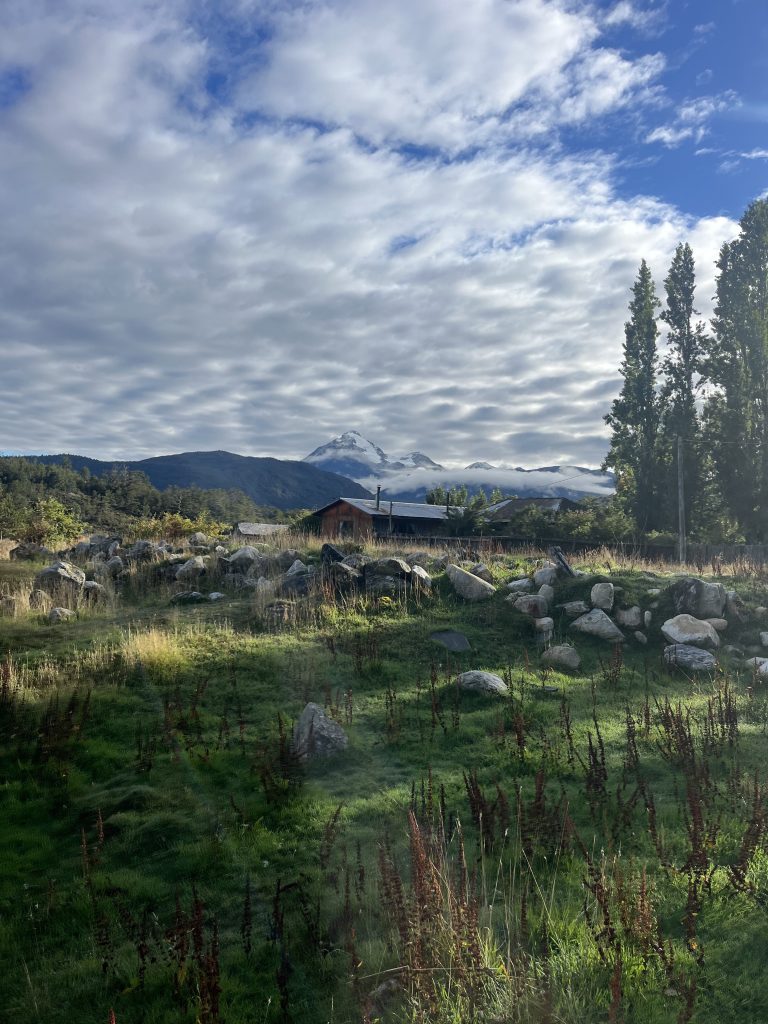
Orfelina runs her campo and small campsite almost entirely independently. She has lived on the same plot of land for her entire life, and taught all of her children how to run the farm as well. Although during the week she manages everything on her own, Anna and I got the chance to meet her daughter Jacinta and grandson Ignacio who live in Cochrane and visit on the weekends. On the second afternoon of her visit, Jacinta and Orfelina worked as a team to herd and sort over a hundred sheep. When I asked Orfelina what the purpose of sorting them was, she shrugged and responded in Spanish, “The small ones taste better!”
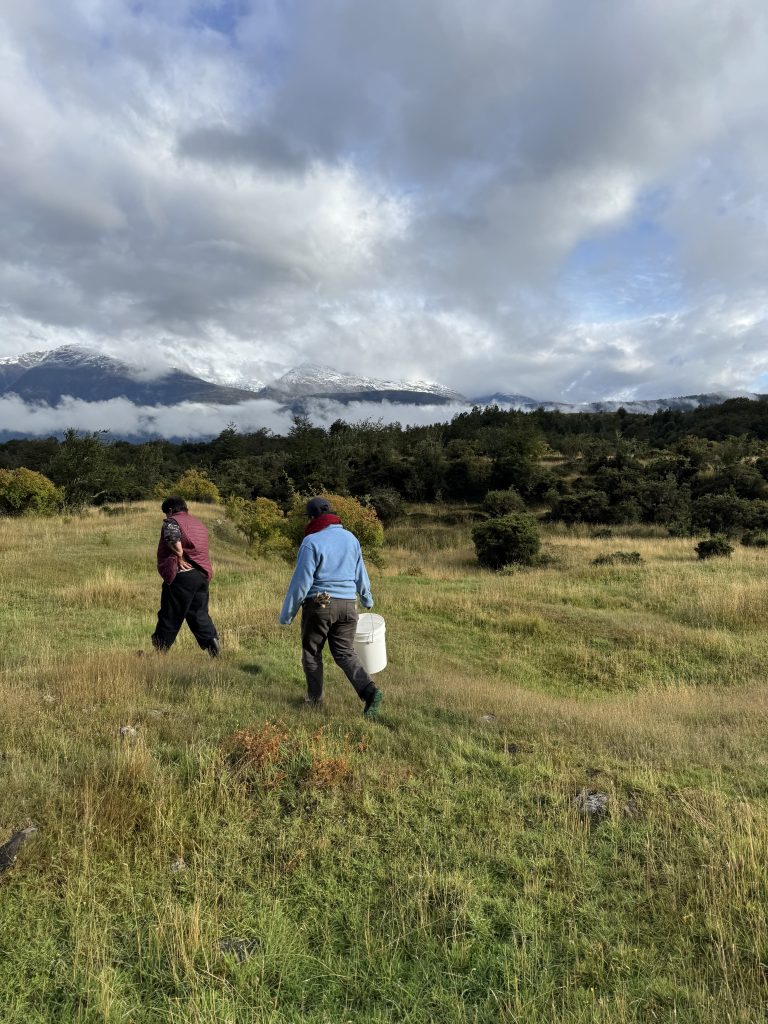
Orfelina’s attitude towards most parts of her life on the campo was unsentimental, yet dedicated. When I asked her if she liked the frequent rain that the region experiences, she laughed and responded that the rain is necessary for things to grow and for the farm to function. She never showed any affection towards any of her many animals, but cared for them all diligently. Orfelina and I had a good laugh when she told me “Los vacas son muy cargantes”, and it took about ten minutes and some heavy Google Translating to figure out that she was calling the cows annoying. She was a big fan of a slow day, which, as someone who identifies as the opposite of a morning person, was something I could get behind. Every evening before she sent us to bed, she would say, “Come in for mate at 8:30, and if you hear rain, 9:00”. Whenever Orfelina felt we had worked too much, she would implore us to “Descanse un ratito”, or “take a rest”. Although she works extremely hard to maintain the farm, she lives a slow and peaceful lifestyle that I learned to appreciate throughout the week.
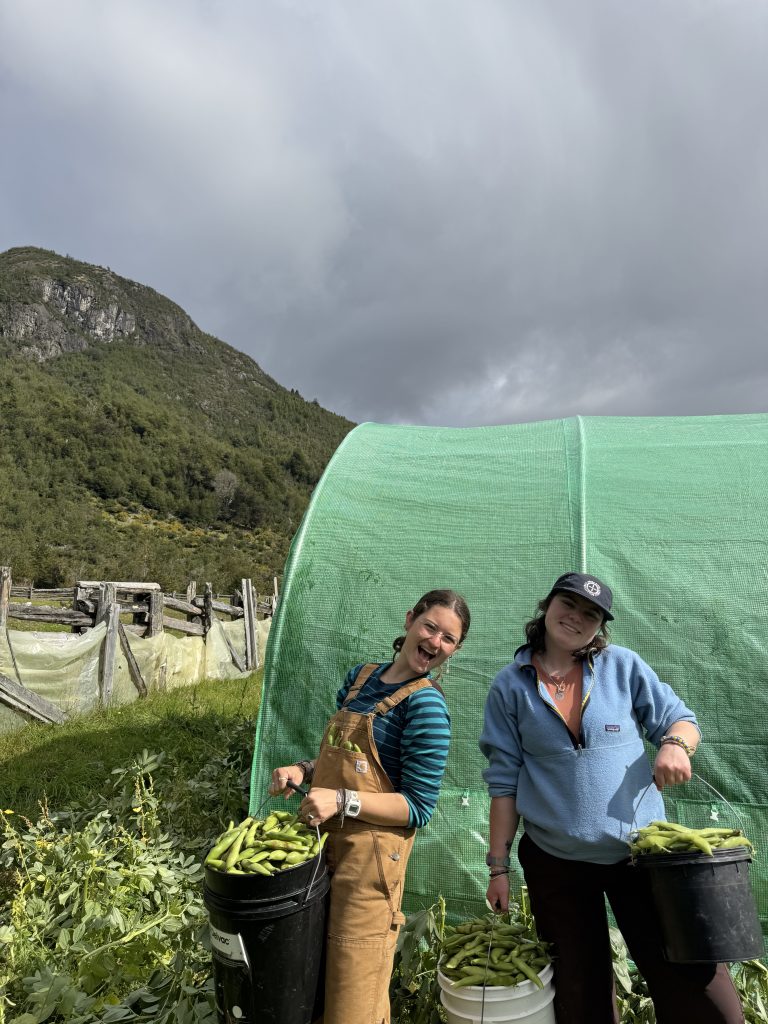
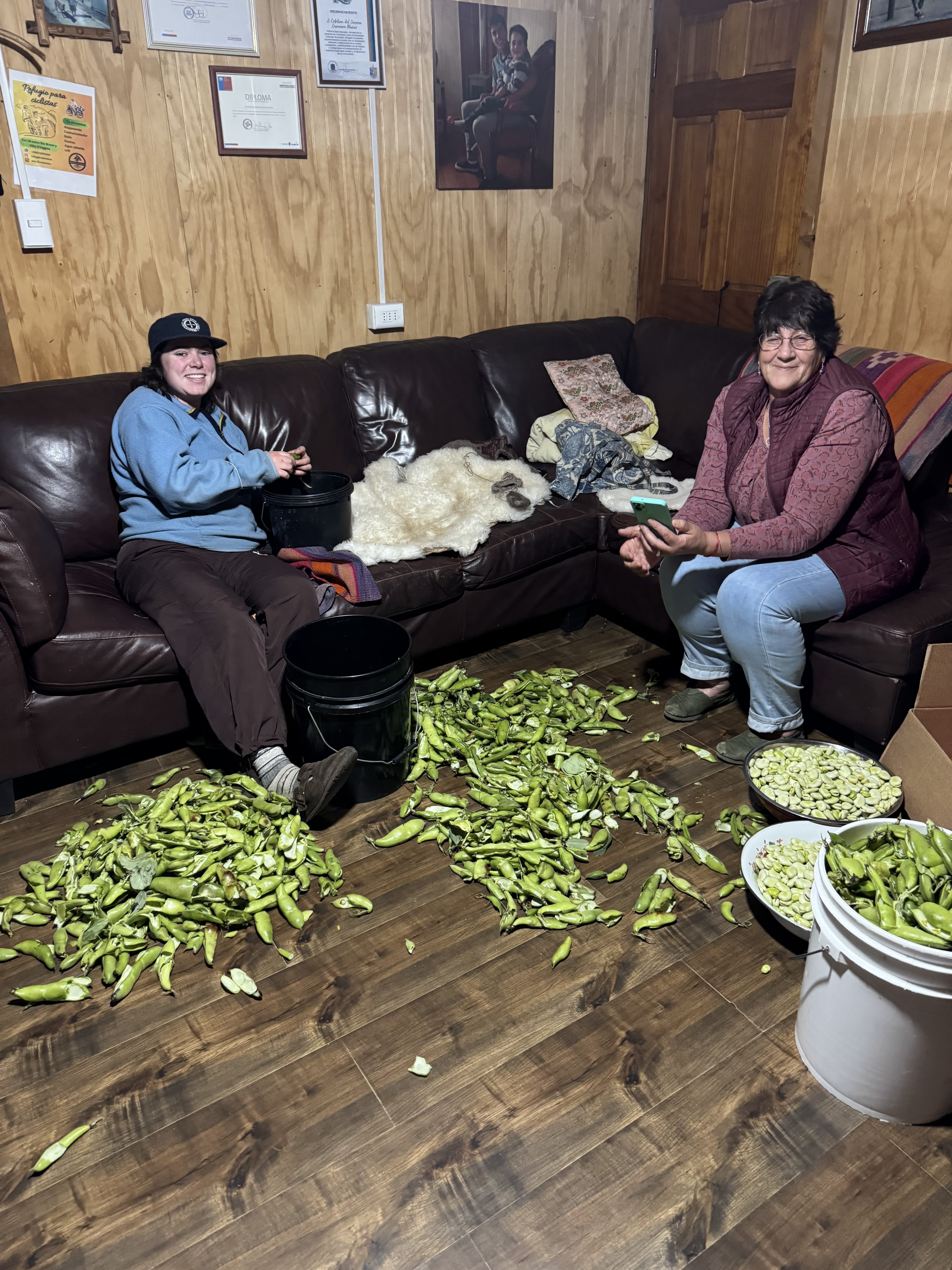
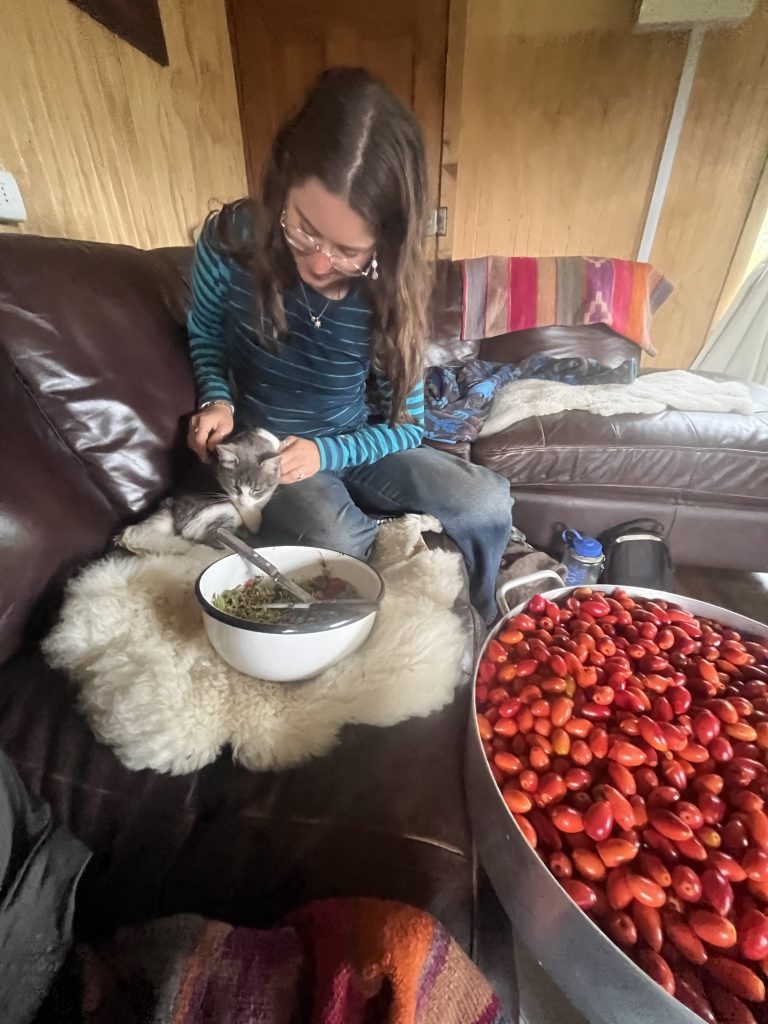
Like many Chilean households, we always started our day with a mate and breakfast, which Orfelina always took next to a window by her beloved woodstove. It definitely took Anna and me a couple days to adjust to the copious amounts of caffeine, but Orfelina herself seemed immune to the potent tea. This was usually followed by a few hours of harvesting rosa mosqueta (rosehip) buds, apples, or habas (lima beans). Some of my favorite times at the homestay were cleaning our collected rosa mosqueta or habas hauls, which we would do to the sound of music or Caso Cerrado, Orfelina’s favorite show (it’s kind of like a Spanish Judge Judy and very entertaining). We were occasionally joined by our helper Mishi, Orfelina’s mischievous cat. Orfelina often makes mermelada from the rosa mosqueta or sells the cleaned fruits and veggies in Cochrane.
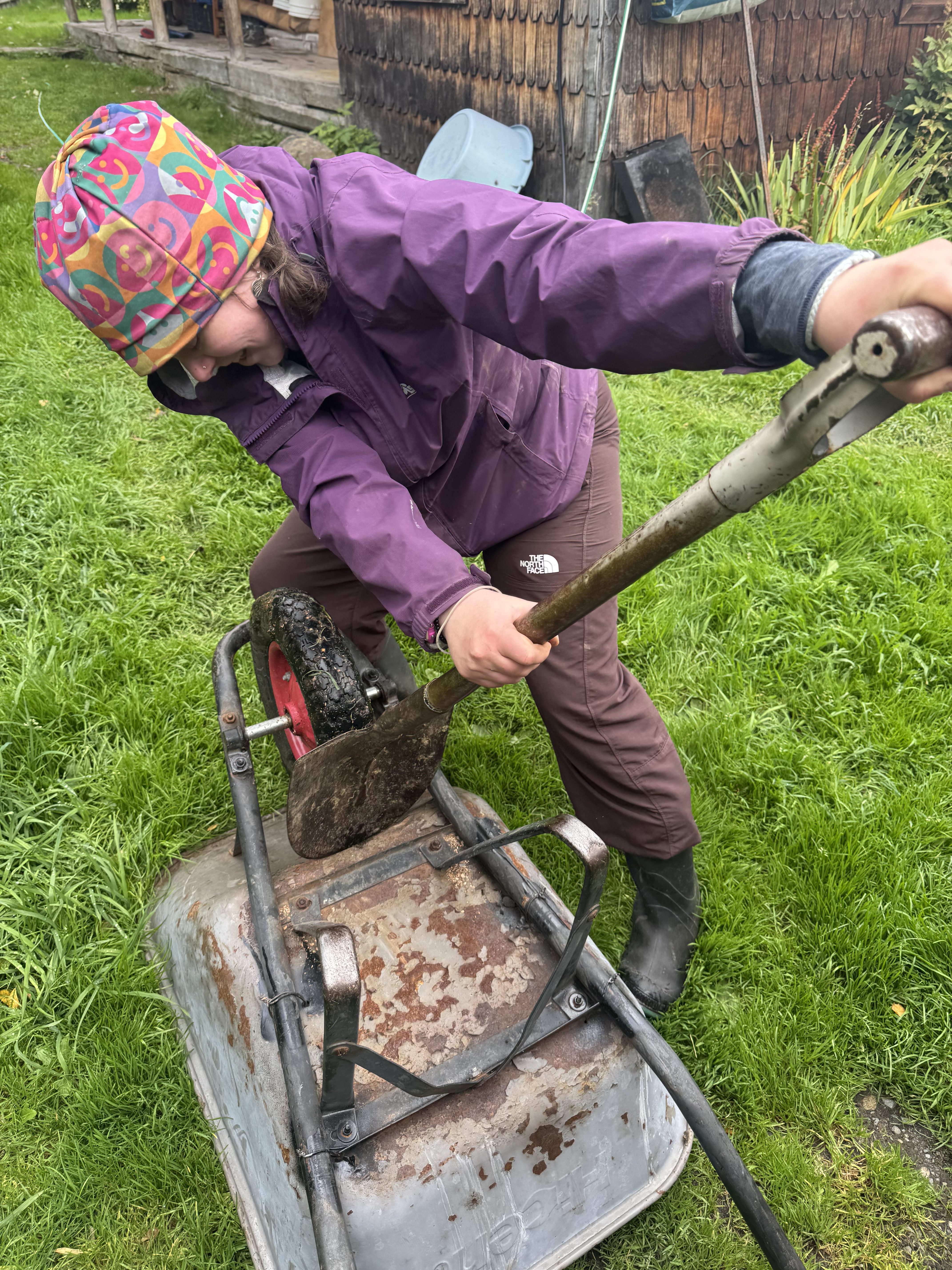
Each afternoon, we took the carretilla (wheelbarrow) up to Orfelina’s cattle pasture to collect leña, aka scraps of wood that she uses to heat her home during the winter. Anna and I got a good system down helping each other to get the carretilla through streams and hills back down to the shed, but the wheel often got stuck and Anna became an expert at using the shovel to wedge it back into place. At the end of the week we had a very full shed of leña to show for our work, and Orfelina gave both of us an approving nod and smile when she saw the pile we had accumulated.
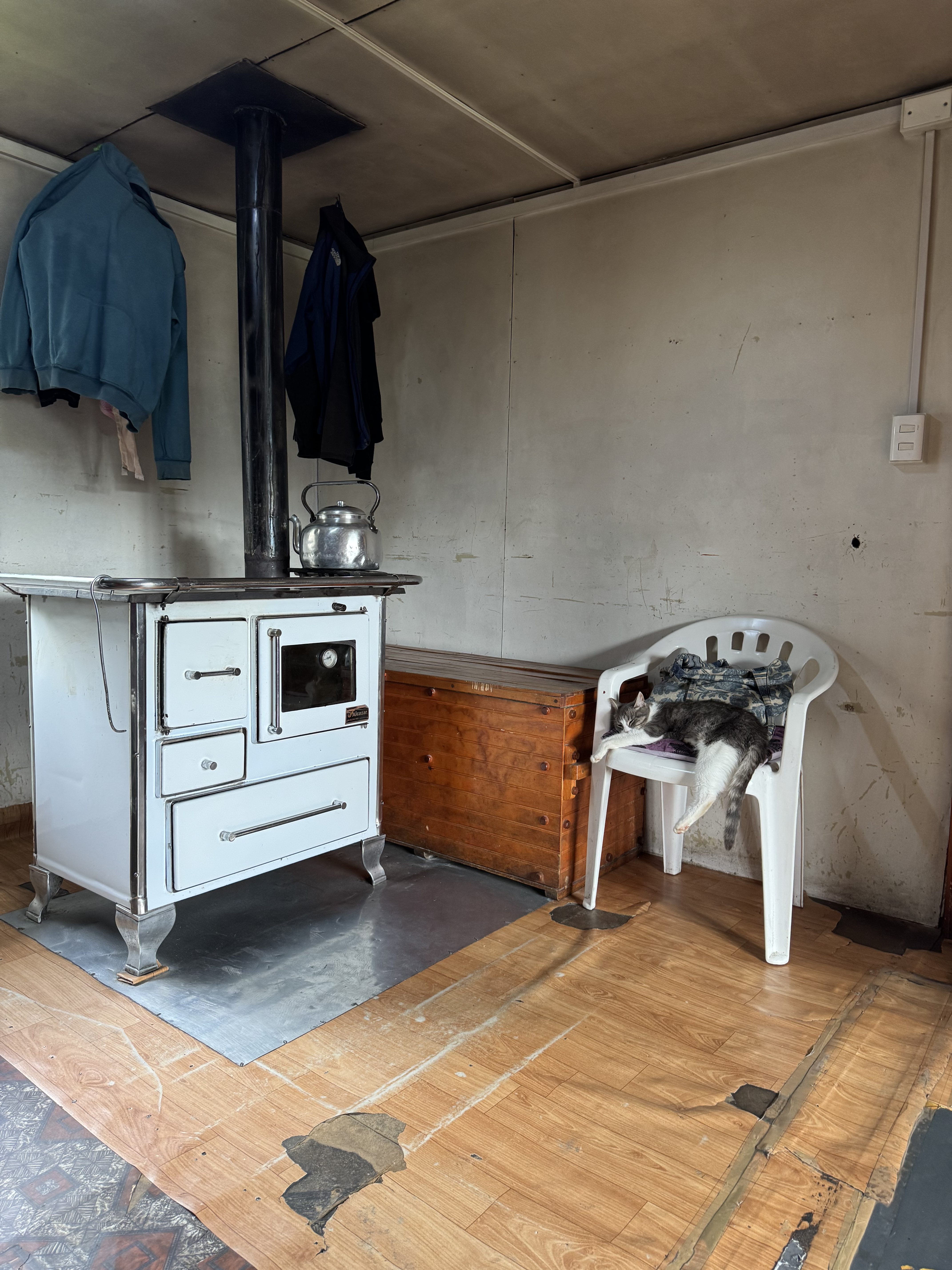
Rather than serving a large dinner, many Chileans eat a huge lunch around 1pm, and a smaller meal they refer to as “once” later in the day. It took Anna and me a day or two to understand what Orfelina was referring to when she said “once” (we couldn’t figure out why she kept saying the number eleven), but once she explained it we were hooked. Once usually started with a short mate, then consisted of fresh bread, cheese, mermelada, tea, and apple cake or empanadas. Good food was never in short supply at Orfelina’s, and most of it was made on her woodstove. There wasn’t a moment during our homestay week where Orfelina didn’t have a roaring fire going in the woodstove, and there was always plenty of water boiling and bread baking.
One of the best parts of spending time drinking mate and eating meals with Orfelina was the opportunity to practice my Spanish. We were able to talk about everything from religion, to politics, to the American university system using my mediocre Spanish skills. Orfelina was just as curious to learn about our life and culture in the US as we were to learn about her life on the campo. As an avid knitter, one of my favorite topics to discuss was crafting. Orfelina and I loved chatting about our projects together, and I was able to learn so much from her about the knitting and embroidery culture in Patagonia. She enjoyed watching me work on my current sweater project, and would always laugh when I pulled out my needles at every possible opportunity.
I feel so blessed to have gained a Chilean grandmother, and to have gotten the chance to experience her life on her campo.