By: Shaylee Cahoon, University of Vermont
Here in Botswana, the days start at 5 am, or 5:30 if you only require thirty minutes to reach full consciousness (I do not). You roll off of your (probably deflated) sleeping pad and throw on whatever clothes have the least amount of dirt on them. No electricity means no lights, so you grope blindly for your headlamp or flashlight to illuminate the eyes of anything that wants to eat you as you stumble to the bathroom or kitchen. At that hour, it’s truly a battle between the stomach or the bladder, the brain has not begun to function yet. All you really want to do is go through the necessary motions of getting yourself and the vehicles ready so you can get started on transect and see some animals. That’s why we’re all here, right? But then the magic happens. Every morning around 6 am, as us students are busy checking oil levels and making sure our toolbox is fully stocked, the sky begins to fade from pitch black to a dusty gray, and the everpresent clouds materialize against the last remaining stars. Then the gray transitions to purple, and with a brilliant explosion of bright pink and bone-deep warmth, the sun appears, bathing the camp in glorious light. Like clockwork, we all stop and stare, struck speechless no matter how many times we are fortunate enough to witness this spectacle.
Eventually, the pink fades to blue and we continue with our daily duties, forgetting the alluring performance the sun performed for us. We count our animals, input our data, try to decide what to have for lunch, inevitably end up eating beans, go to class, study, on and on and on, ignoring our life-bearing star. Some of us have a brief moment of enlightenment and remember to put on sunscreen. Most of us just get burned. By the time the clock ticks past noon, the sun we were all admiring just hours before becomes an unrelenting nuisance and we seek shelter wherever we can find it.
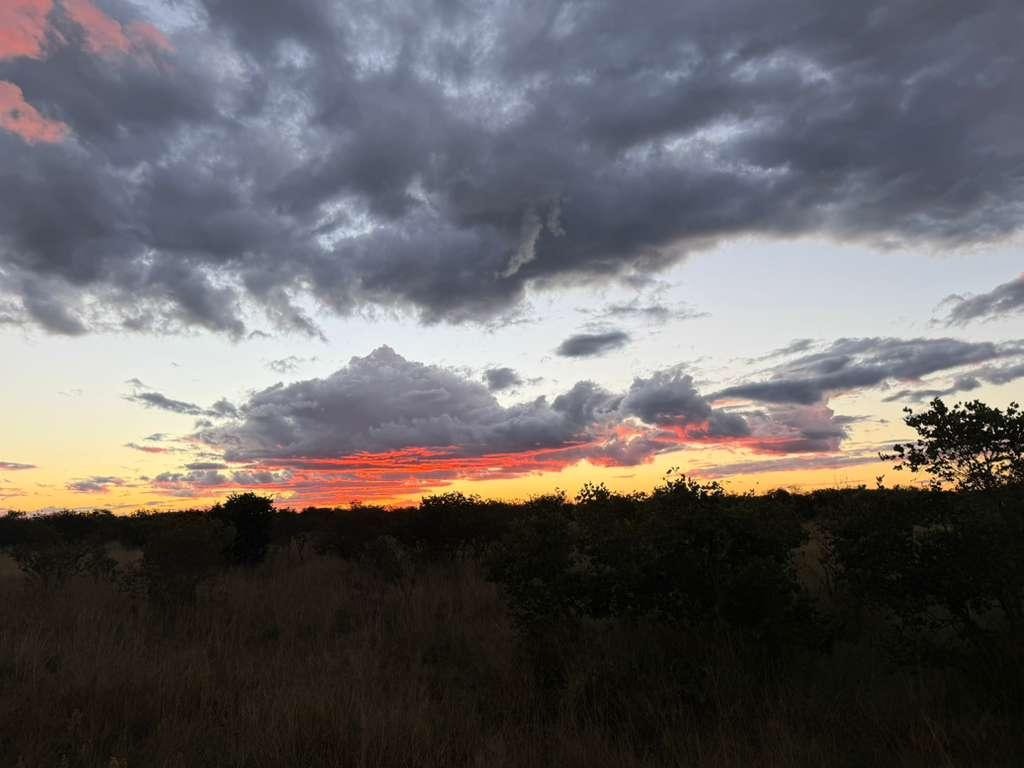
The hours fly by, and once again, the sky begins to change, the cycle reversing. Hot, bright blue fades to purple, then pink. The fluffy clouds are the perfect canvas to reflect the streaks of orange or yellow, and the entire atmosphere lights up like one of our nightly campfires. And when that spectacle is over, the stars blink on, one after the other, akin to little fireflies dancing across the black sky.
This is the true beauty of Botswana, all the aspects of the environment we take for granted, or often completely disregard. But one of the best things about Round River is that we are outside for every one of these moments, so we always have the chance to appreciate them.
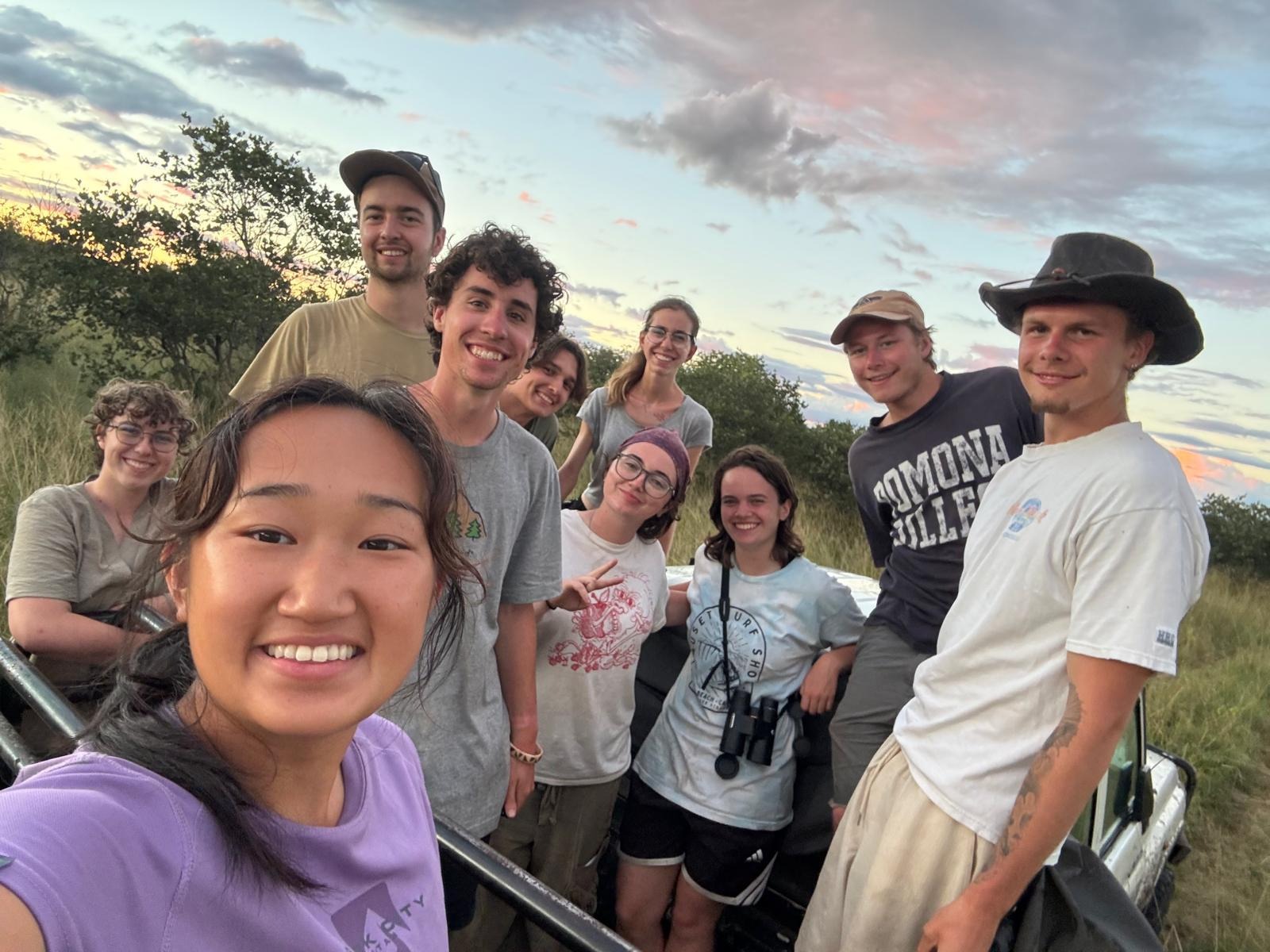
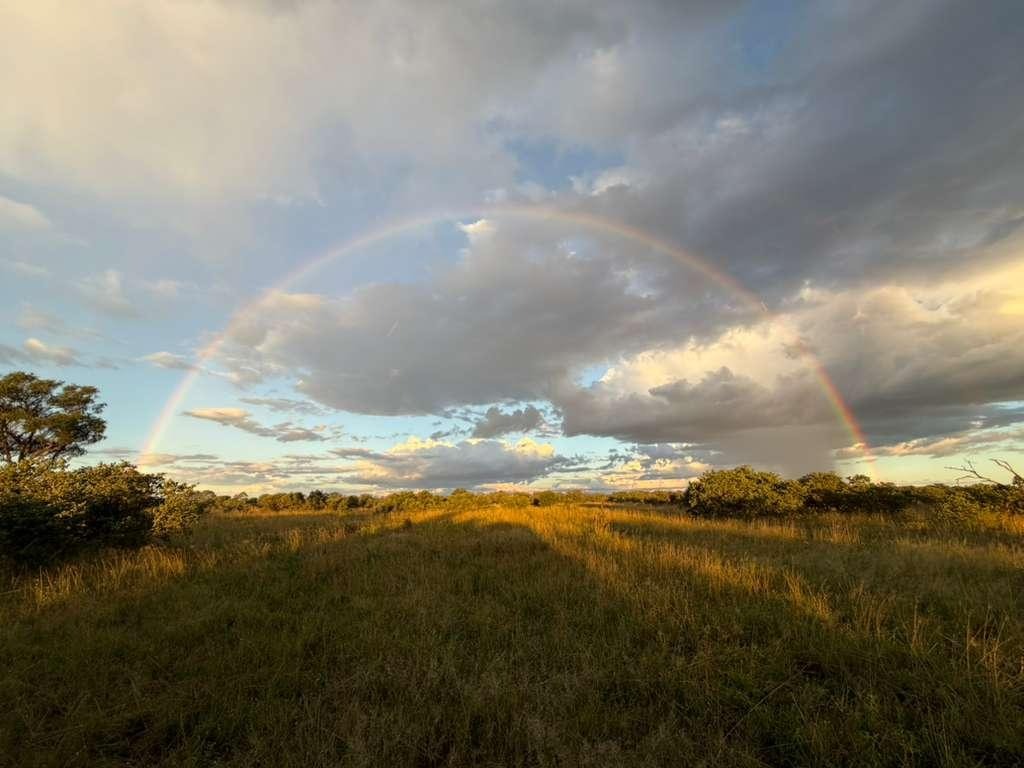
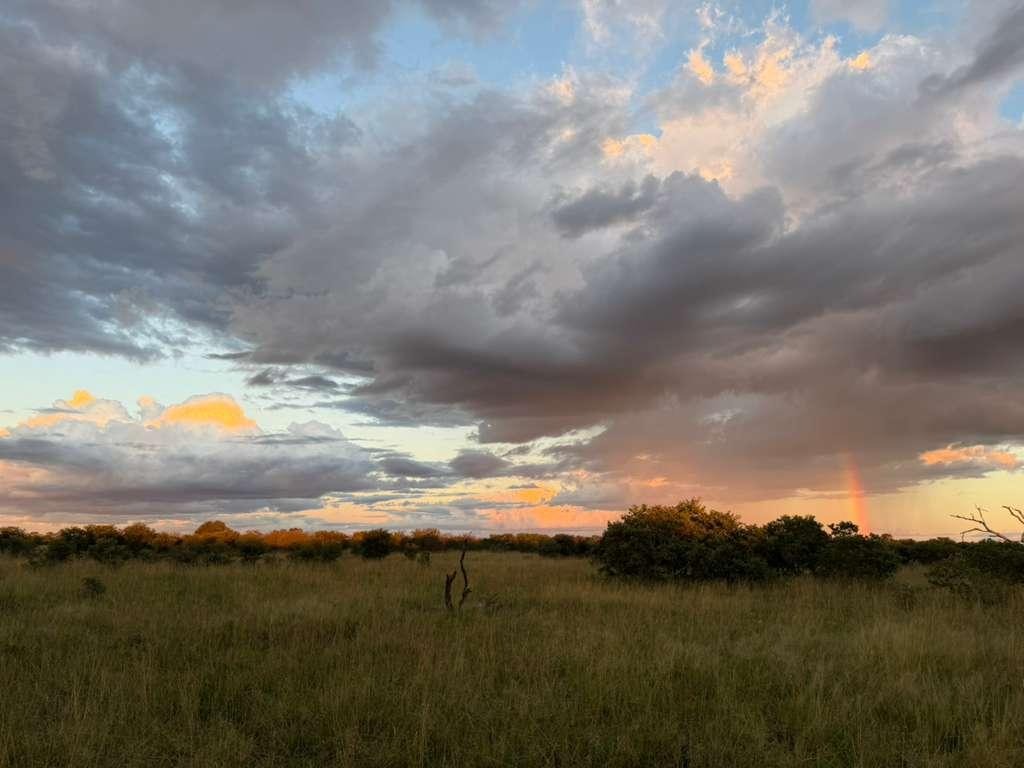
Take our recent time at Mopane (mow-pah-knee) camp. It’s isolated, truly just a patch of dirt in the middle of dense Colophospermum mopane, about one hour (if local instructor SB is driving) outside the village of Sankuyo. There is no electricity, no lights, not even a bathroom. To be honest, being dropped into such an environment is unnerving at first, but when it was time to go, we realized we had found a home there, and we were all going to miss it. Not only was the isolation relaxing, but it also gave us a chance to appreciate everything about this new place we were in. For our last class at Mopane, we drove a mere five minutes from camp to partake in a group reading. That reading ended up taking about double the amount of time it required because we simply could not ignore the beauty of our surroundings and found it quite difficult to concentrate on the task at hand. True to the rainy season in Botswana, as soon as we started reciting the paper in the bed of our trusty truck Mowana, a light shower passed overhead. With mild annoyance, we wiped water droplets off our kindles and trucked on with our assignment. I don’t know who noticed it first, but soon murmurs were rippling through the group and fingers were being pointed all around. To our left, a double rainbow arched through the entire atmosphere, reflected through the light mist that was clinging to our skin. The large cumulonimbus clouds in the distance promised more rain, but their dense undersides created a striking striation that required appreciation. To our right, the sun was painting the bottom of the fluffy clouds a dazzling burnt tangerine and turning the Common Finger Grass below into fields of flowing gold. It was impossible to decide where to look first.
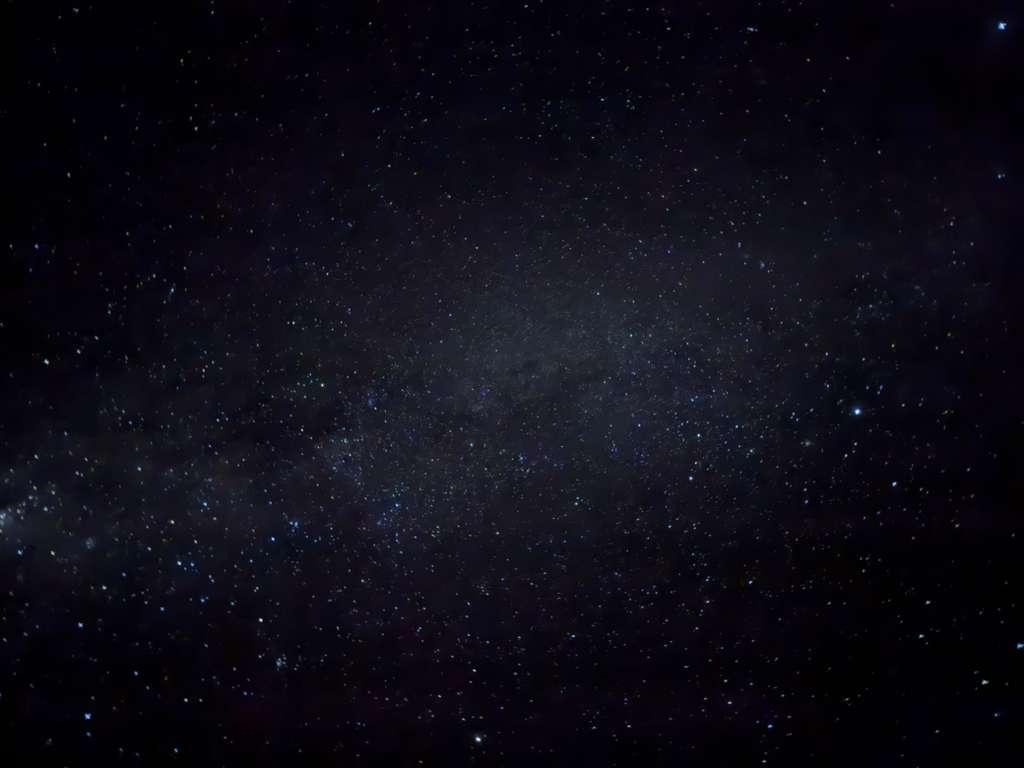
And if you’re getting tired of me rambling on about all the reds and oranges and yellows, don’t worry, for I have just as much to say about the beauty of the night. Once the sun fully disappears, the stars get their chance to shine. And due to the lack of electricity, they were truly dazzling. Orion was there, hunting (upside down, to me at least) through the night sky. The southern cross accompanied him, guiding the way. You could see the dust of the Milky Way wrapping the globe in a cosmic band, and even the nearby Andromeda galaxy was visible to the naked eye. It took our group almost four weeks to realize the elegance of this display. One night, mid dinner consumption (hot dogs cooked over the fire), someone finally looked up.
“You have to come look at this!” Half of us continued wolfing down hotdogs, while the other half leaned their chairs back to peek at the sky. Eyes wide, that half grabbed the rest, and we all climbed onto the top of less-reliable Lucy to lay on our backs and stargaze. For the better part of an hour we just laid there, watching the constellations dance through the heavens. Shooting stars zoomed overhead, and we were so entranced that we were able to discern the satellites slowly circling the Earth. Even the mosquitoes seemed to understand the significance of this moment, and quietly let us be. Eventually, the roaring fire burned down to embers and yawns became more common than gasps of awe. It was time for bed. We jumped down off the car and grabbed our toothbrushes and toothpaste, making our way over to the water jug. Then from the distance came a loud roar.
“Guys . . . there’s a lion on the toilet!” Truly the beauty of Botswana.