November 17, 2012
By Kellen Witschen (St. John’s University ’14)
Last time we updated the blog, it was the night of the election. We were lucky enough to use the Conservación Patagonica (CP) main office as an internet refuge to get updates on the status of the election. We could only have one computer getting updates at a time because the internet would slow to a stop. As it got closer to midnight, many of us started to get tired and decided to go back to the campsite to go to bed. A few of the more dedicated members stayed until the results were finalized, which ended up being at 5:00 am! Everyone else woke the next morning and were greeted with the news that Obama had been elected as our president.
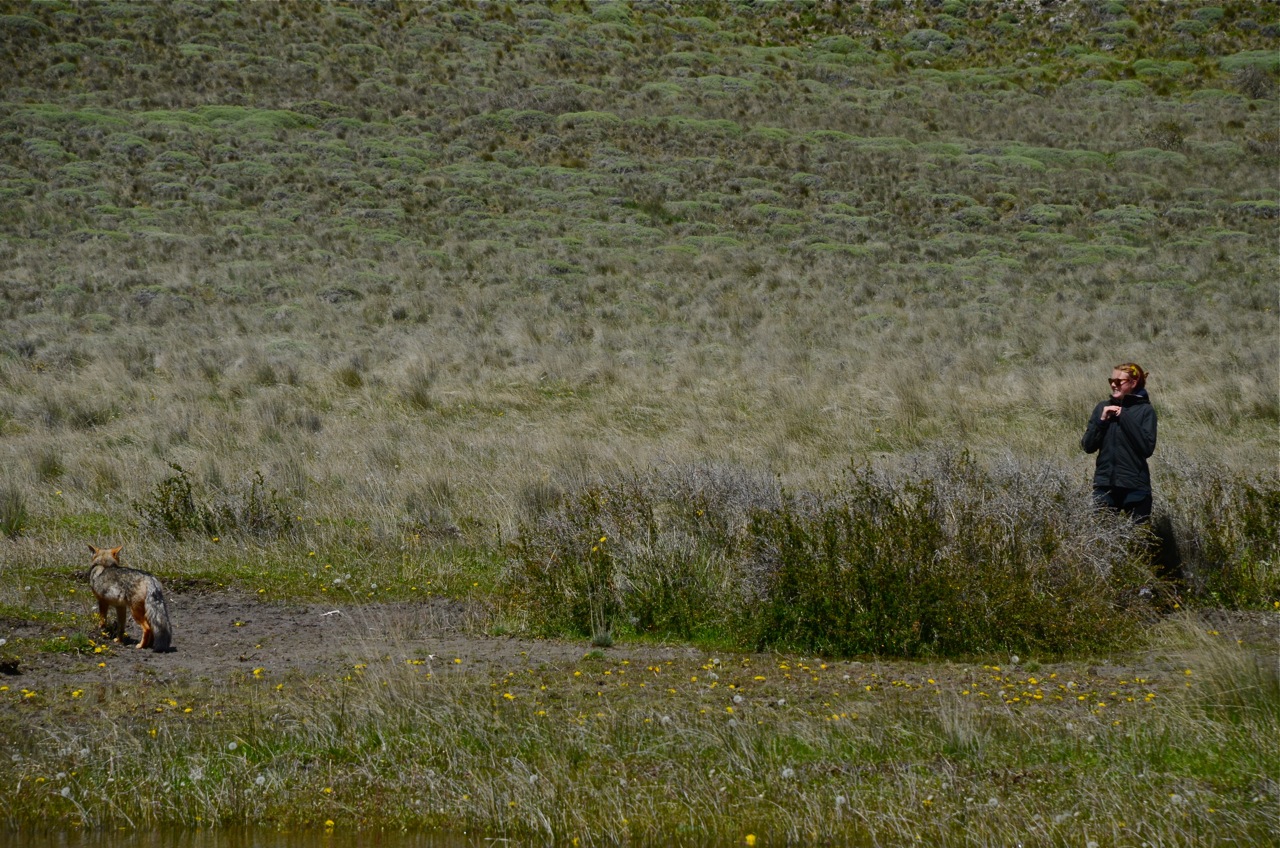
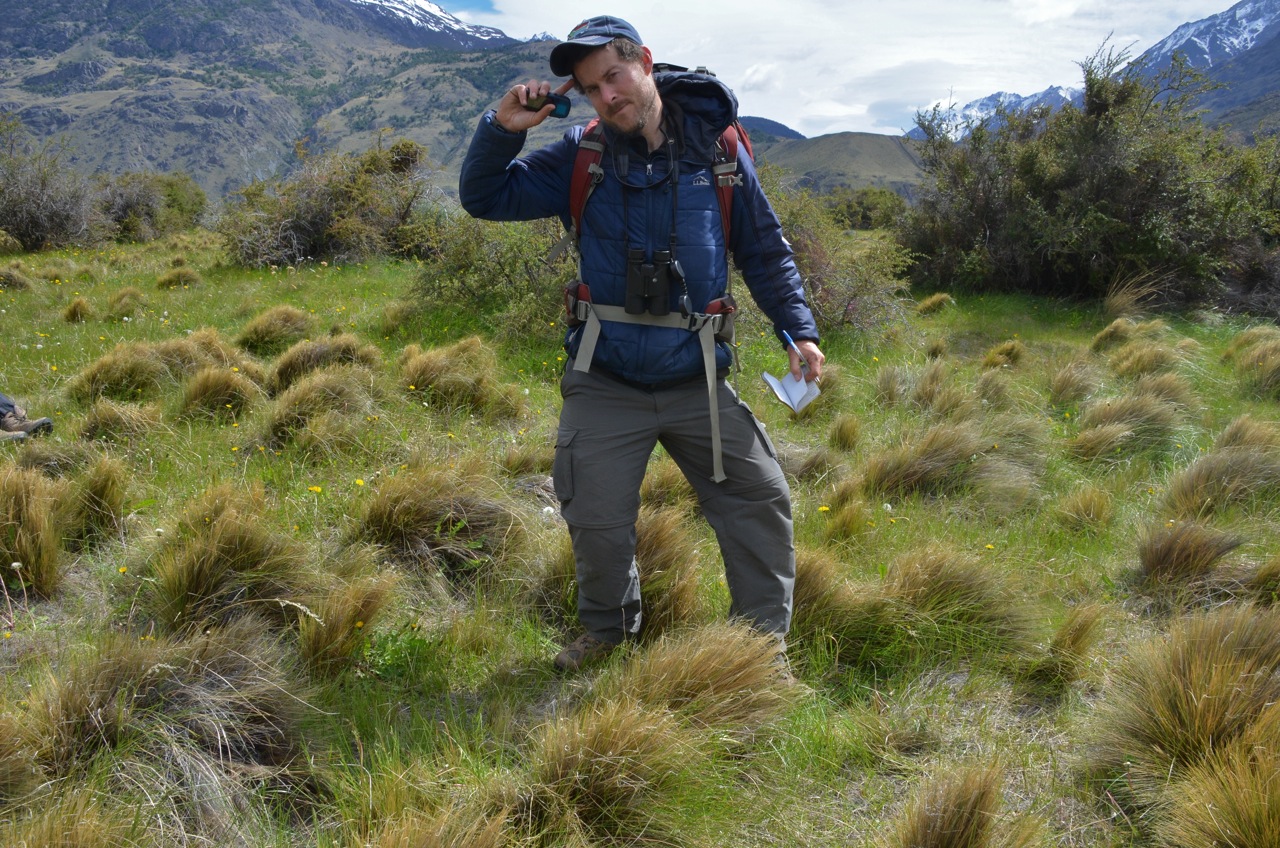
We took the morning off, letting people recover from the long night, and then got ready to do our first round of photo monitoring of the Patagonian steppe. Last semester’s group had done grass surveying and our objective was to go back to the same areas (called quadrats) that they had designated and take pictures of them so their ecological succession can be monitored. Everyone took turns assembling the quadrats, aligning them to the north, pounding in reference markers, taking the pictures, and then navigating by GPS and compass to the next location. Along the way we had some close encounters with the wildlife. We finished 6 quadrats of zone 2 and then headed back to Los West Winds campgrounds. After eating dinner, Scott gave a very interesting natural history lecture on soil horizons and the function of mycorrhizal fungi.
The next morning we made a trip to Cochrane to resupply. Well, one group took care of errands in Cochrane while the other group was shuttling gear back and forth to the Stone House. Everything took longer than we thought, and we were unable take pictures of any of the east end quadrats that day. After eating dinner, Sam gave his natural history presentation which was a Jeopardy style birds of Chile quiz. We were tested on the morphology and behavior of 50 different birds that we had seen, and had to answer with their common and scientific names. The group called “#1 Team,” consisting of Colin, Adele, and Ryan, took first place, and “Scott and the Hershey Squirts”, made up of Scott, Ingrid, and myself, took second place. The “Aonikenk” with Matt, Kelly, and Fernando and the “Flying Unicorns” with Barrett, Heidi, and Kari came in third and forth respectively. Group “#1 Team” won a dinner in Cochrane, with everyone else as company.
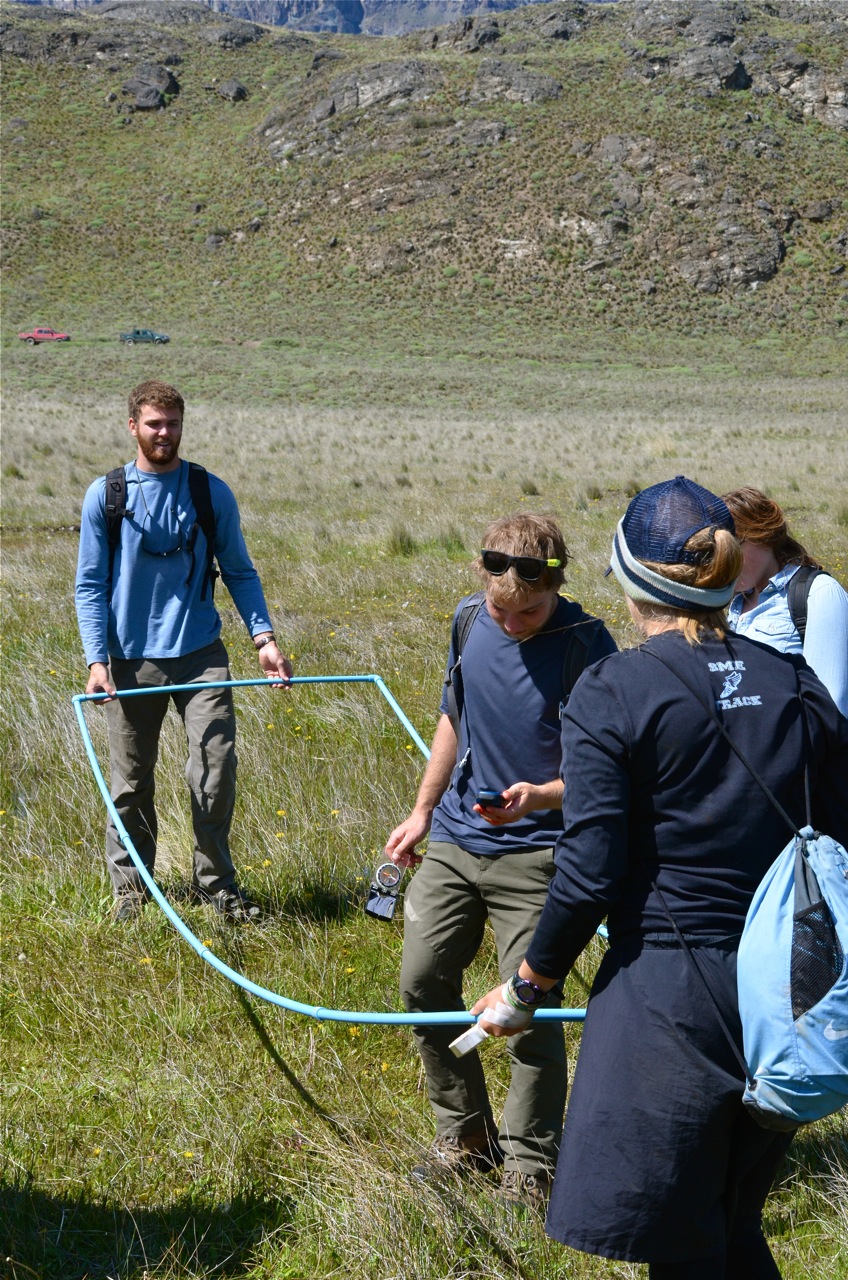
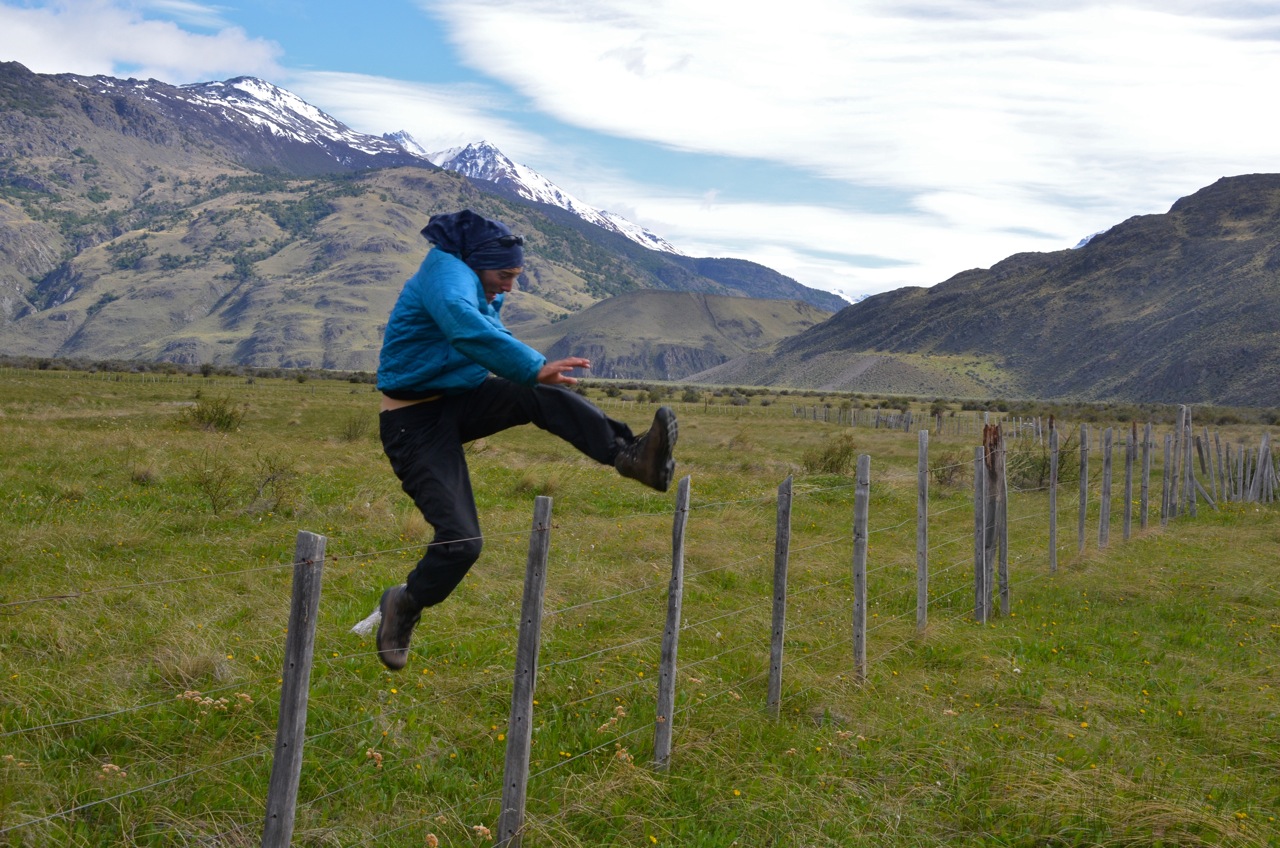
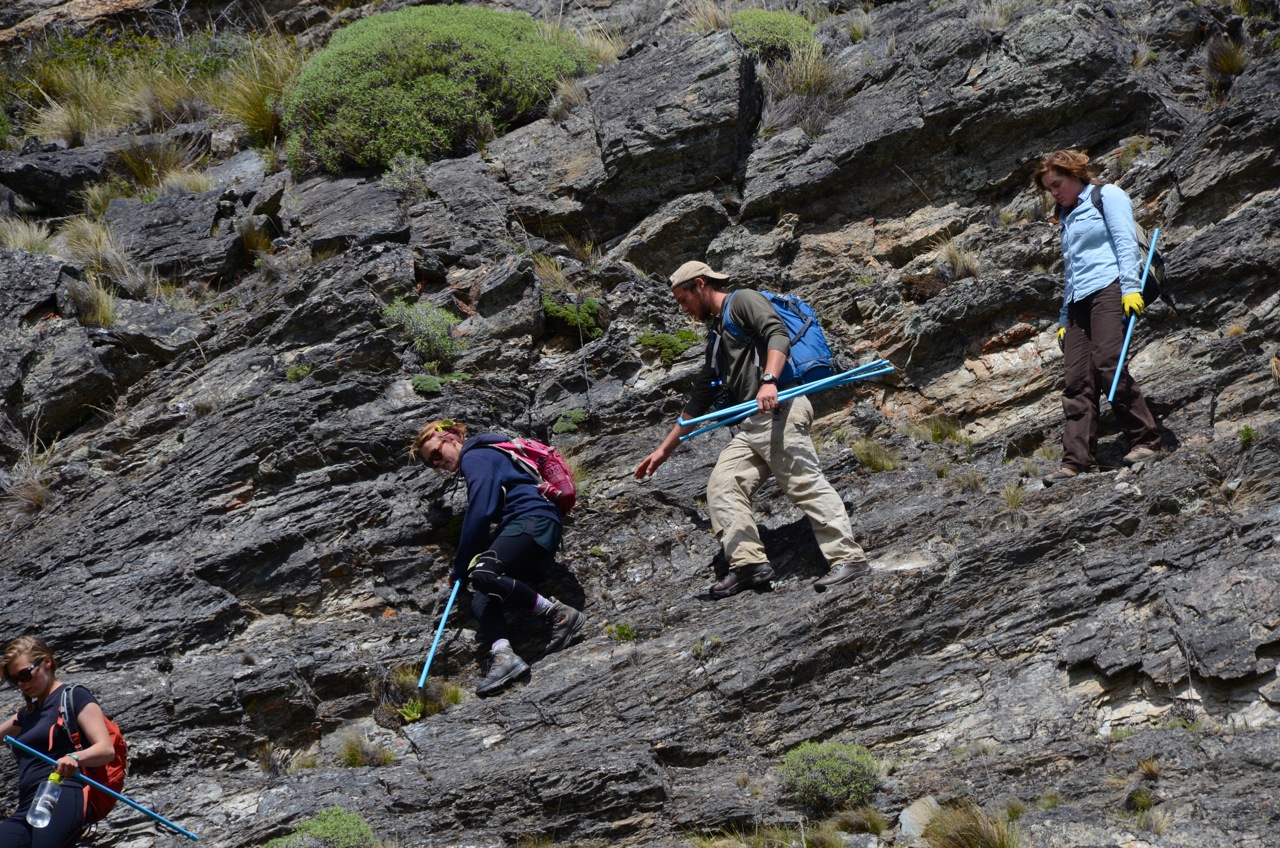
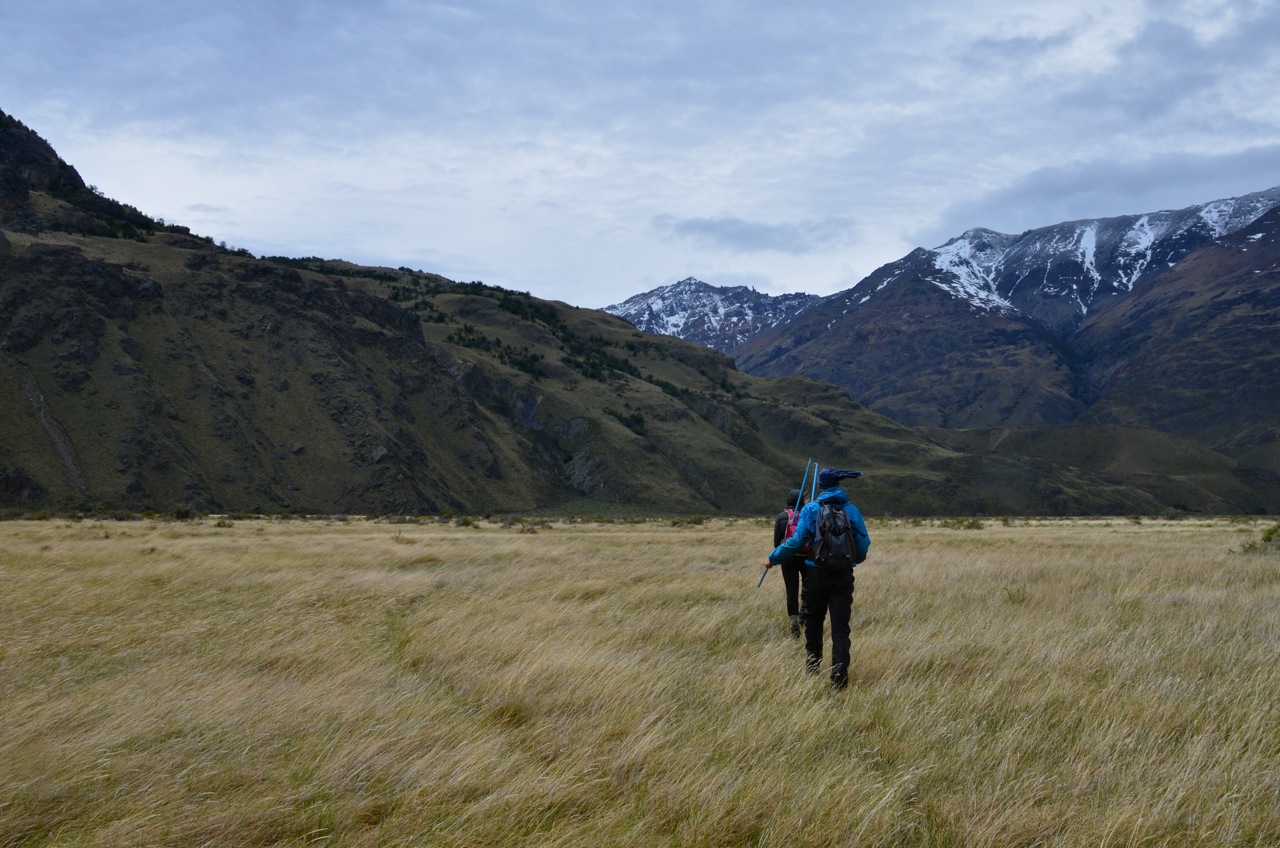
The next morning we woke up early again to finish photo monitoring on zones 9 and 10 which are at the very east end of the Chacabuco Valley. The group that went to zone 9 finished without a hitch, but we were unable to take pictures of those quadrats in zone 10. With the majority of photo monitoring completed, we decided to pack up camp and journey back to the Los West Winds campgrounds. Many people took advantage of the amazing weather that we were having and spent the afternoon washing clothes, shaving, and laying out in the sun. I only mention the first two activities because of how rare it is to see such things happening here. Unfortunately, that afternoon we found out that we were unable to attend dinner with the Tompkins because they had an unexpected trip to Antarctica. We finished the day with Fernando giving a lecture on forming successful restoration models.
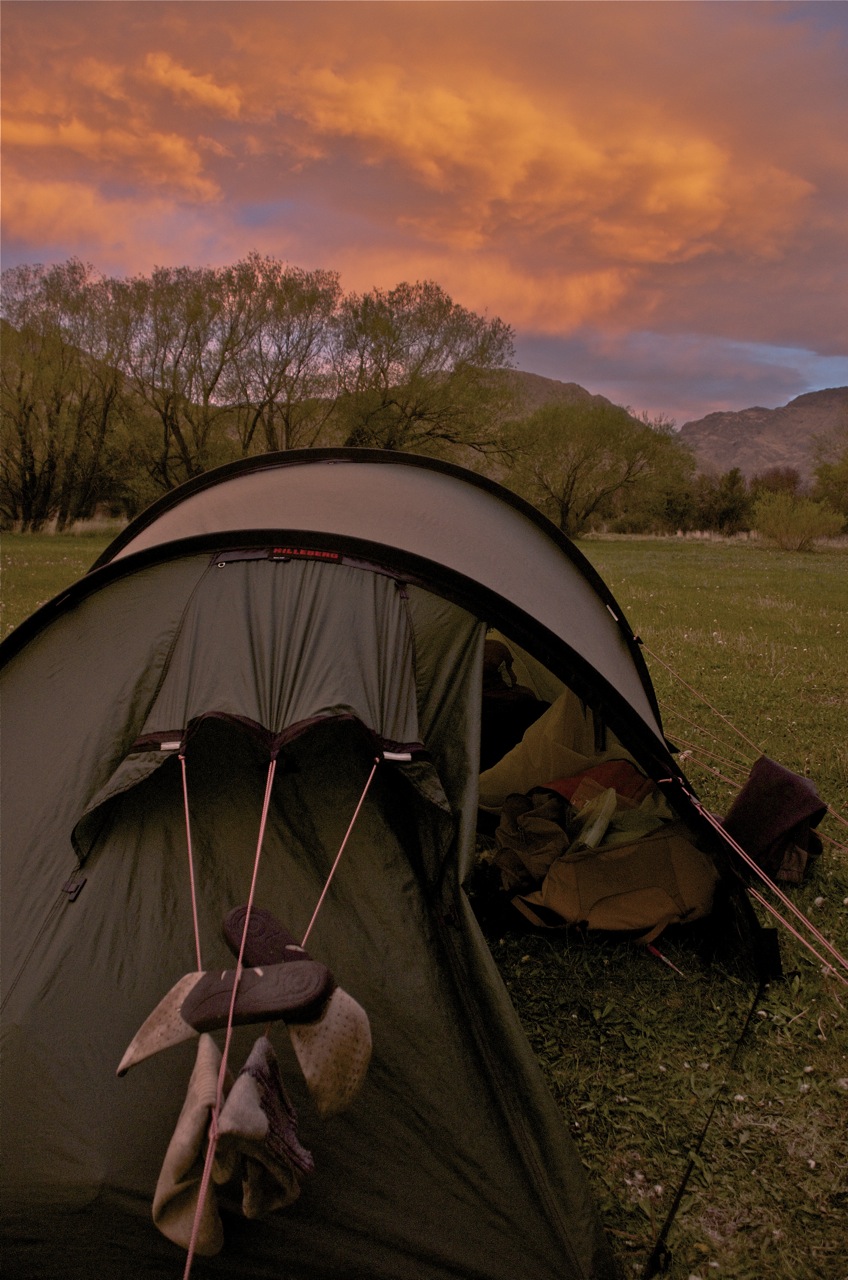
The nice weather held out for the next couple of days. Mornings were devoted to finishing readings and working on our essays. Sunday afternoon was filled with discussions lead by Sam, Colin, myself, and Kari. Monday afternoon we made another trip to Cochrane to get supplies for our 5 day camping trip down at the confluence of the Baker and Chacabuco rivers.
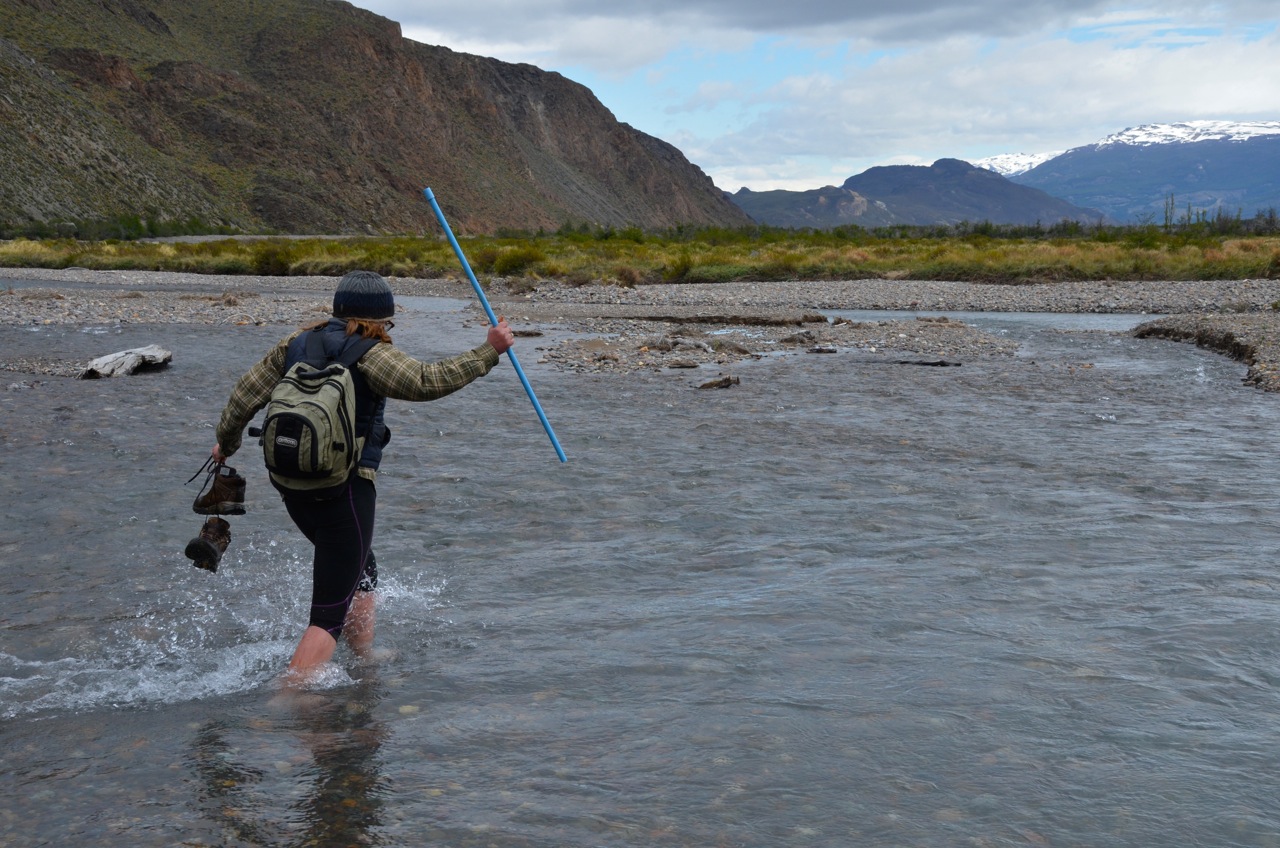
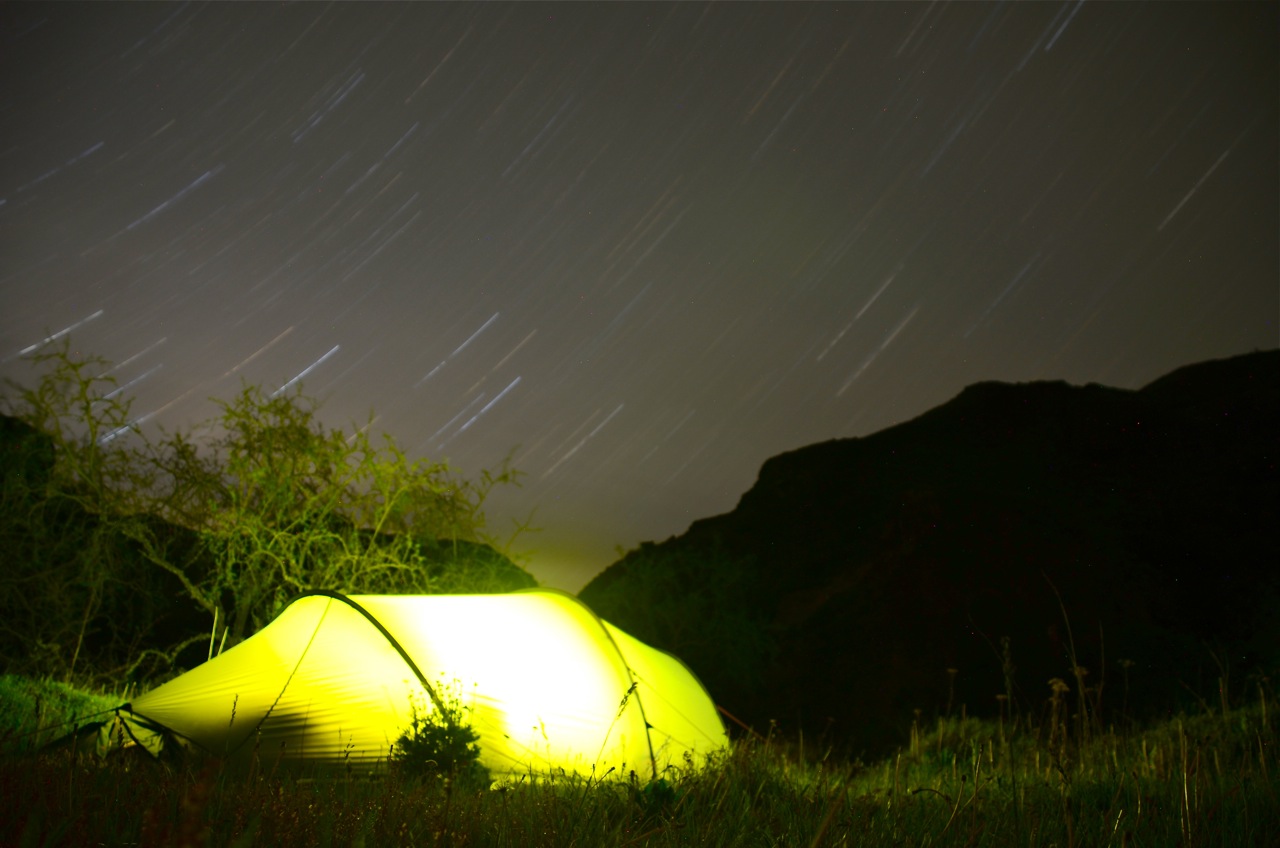
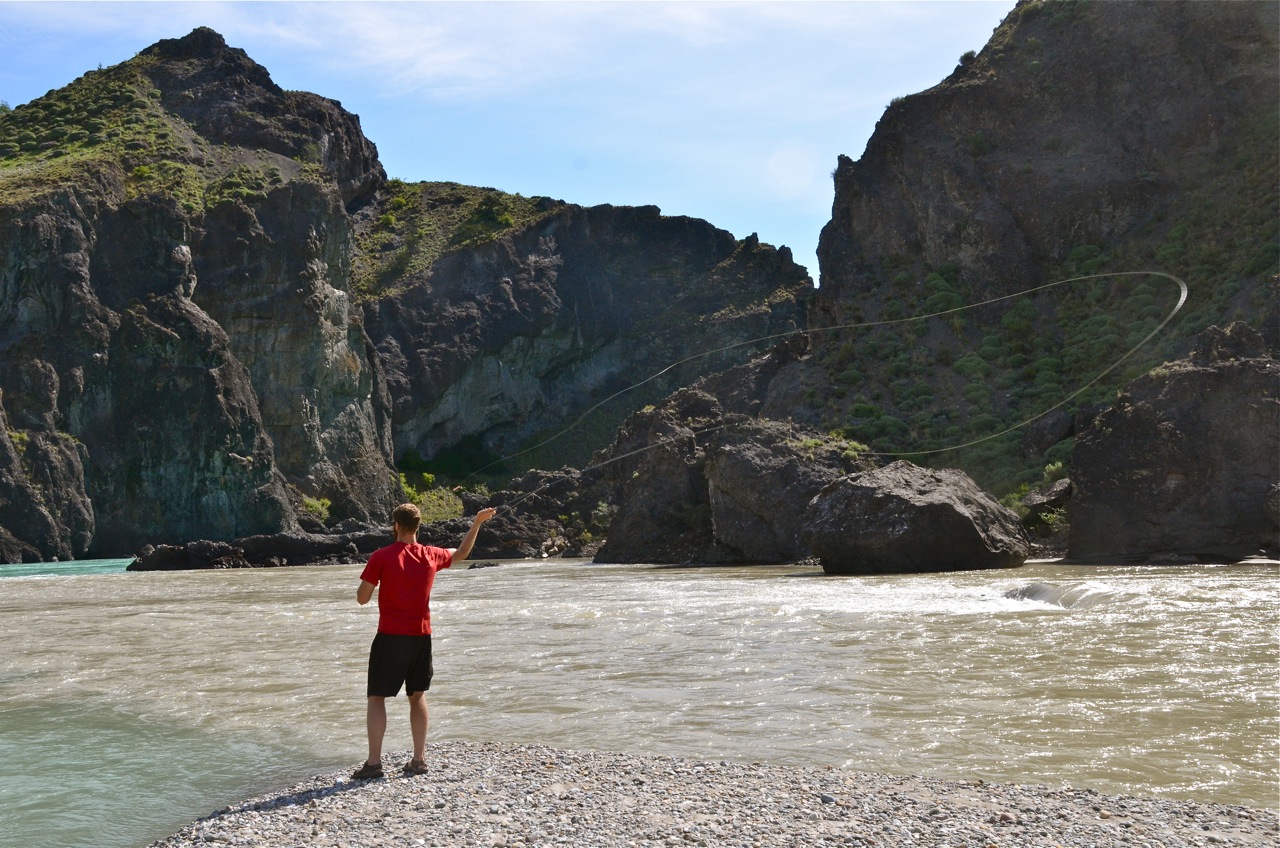
Tuesday morning we had discussions lead by Scott and Matt, gathered our gear, and then drove down to the confluence. We set up our camp among the many Matabarosa bushes near the shore of the Chacabuco river. The afternoon was free for finishing class readings and at the same time we took advantage of the many things the campsite had to offer. Some people went fly fishing, others laid on the beach, and a lot of people went swimming (which is better described as jumping into the cold water and getting out as fast as you can!). The upside was that we were able to keep our milk and other beverages cold by placing them in trenches dug into the sand bottom of the river. We ended the night with the first fire we have had since leaving Monreal many weeks ago, and a sense of excitement for the days to come.