November 6, 2012
By Ingrid Lyons (Carleton College ’15)
Hello again, family and friends, from Patagonia!
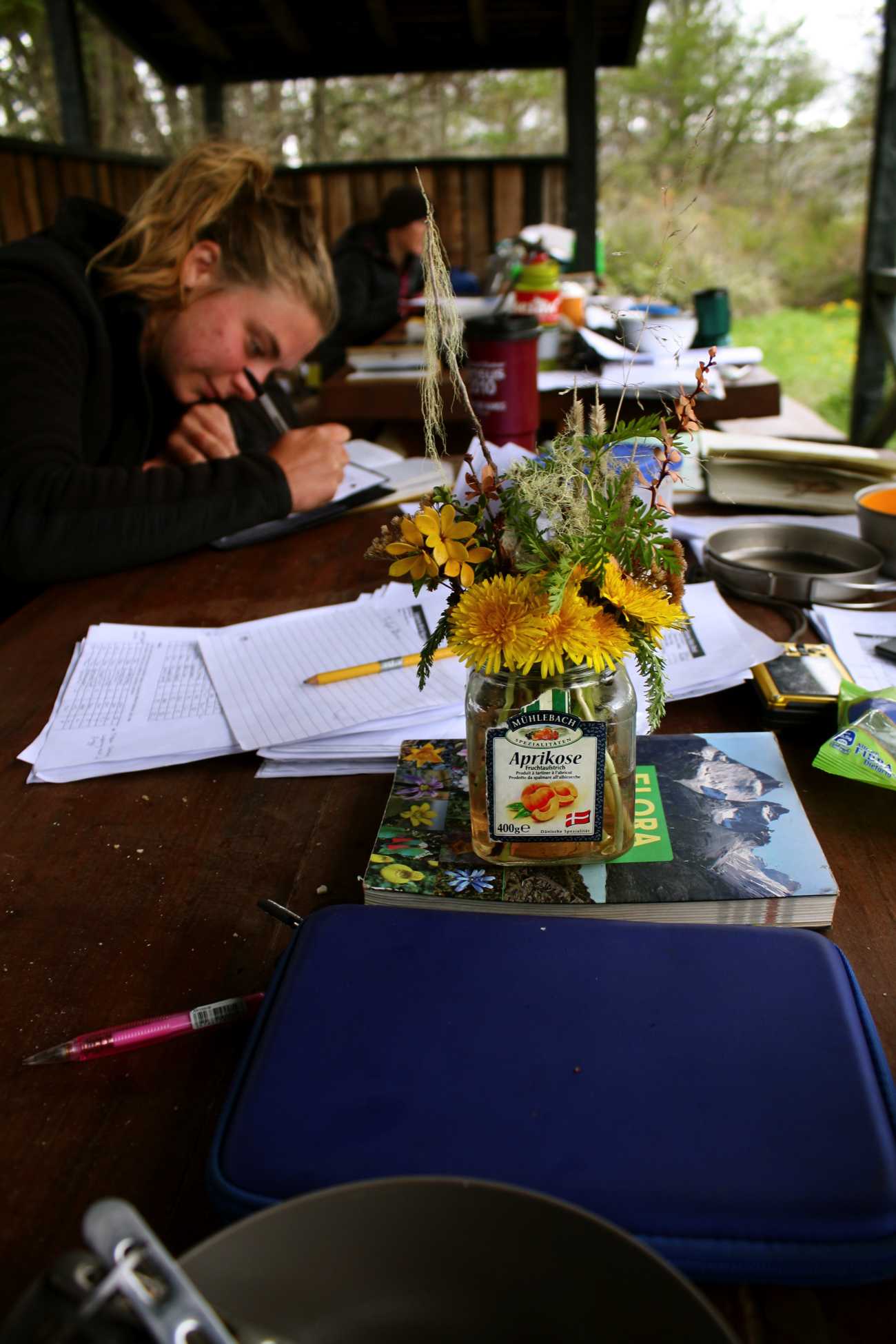
Another week has brought on new challenges and learning experiences, especially considering the predominantly academic schedule the past few days. Although we were not as active as we were during our recent bird surveys, we appreciated the “down time”, that is, a time to focus on academics and interaction with Conservación Patagonica at Los West Winds. Unfortunately, the glorious weather we had come to expect here at base camp disappeared this week, with grey skies and rain almost every day.
I’ll start this update with Halloween night, an improvisational re-creation of what we’re all used to at home in the States. Here in Chile, Halloween is not celebrated, but the day after is a holiday called “Dia de los Santos”. It doesn’t have nearly the same focus on collecting and subsequently eating copious amounts of candy, so we got a few strange looks in the grocery store in Cochrane when we nearly bought out the store’s supply of sweets. That night, we played games, ate lots of candy, and some of us even wore costumes. Of course it wasn’t the same as the traditional trick-or-treat around the block scenario, but the Patagonian twist made it a Halloween I’m sure none of us will forget any time soon.
The next few days were filled with academics, including mid-term evaluations, natural history talks, discussions, and lectures. On November 2nd we had a full day of student lead discussions, with Heidi presenting on an article entitled, “Ecological Restoration and the Ecosystem Perspective” in the morning, and Kellen presenting “The Scale of Successional Models and Restoration Objectives” in the afternoon.
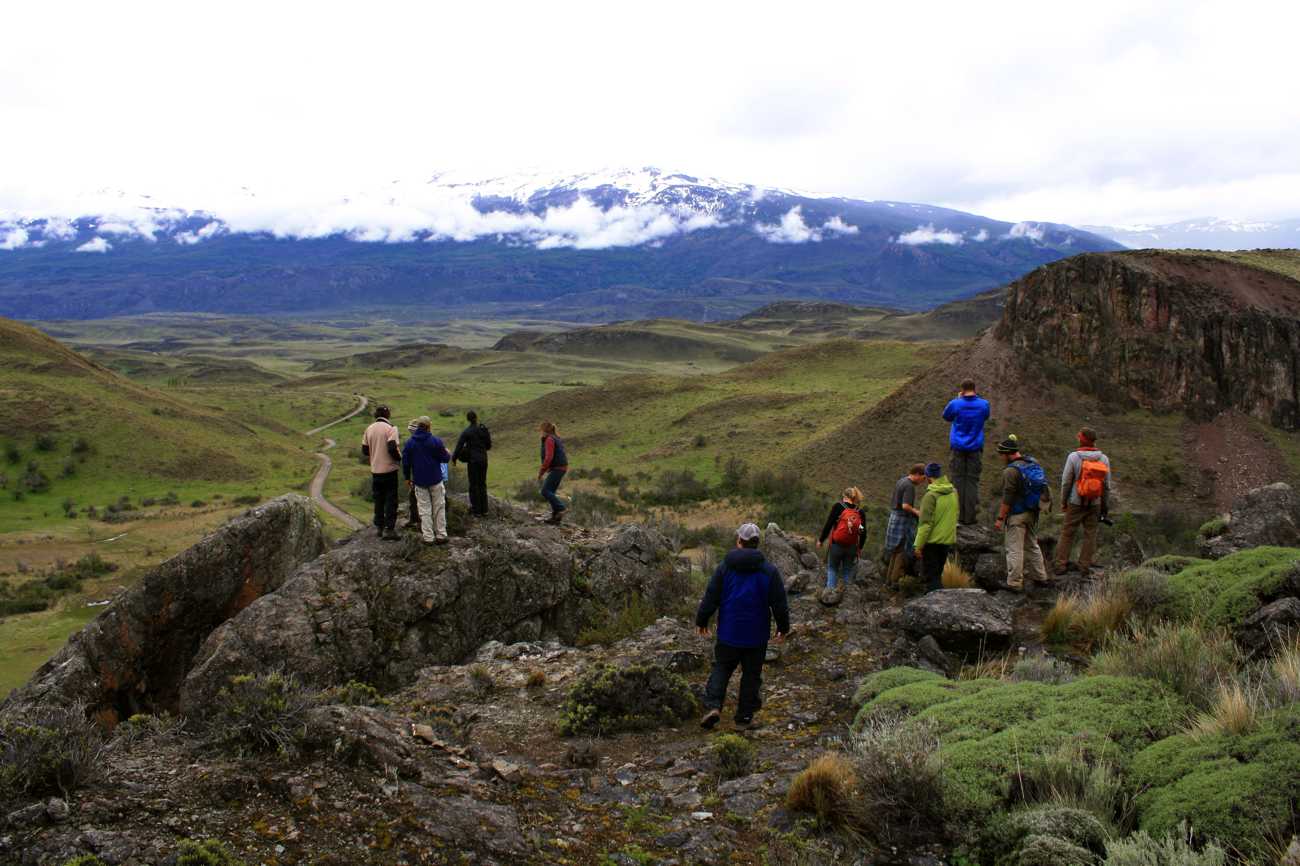
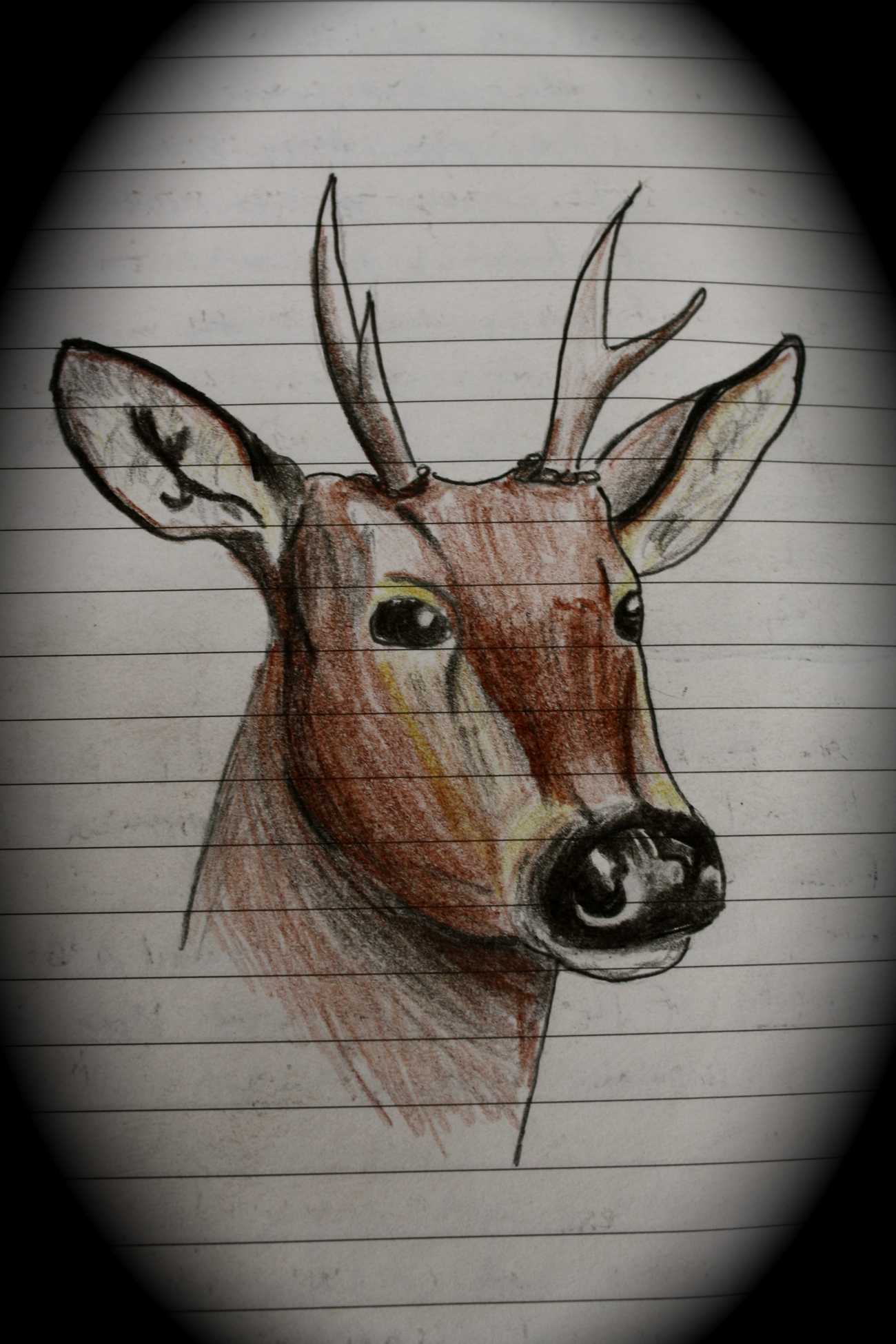
After lunch, as part of our Restoration Ecology lecture, the group was taken to an area in the valley, not far from Conservacion Patagonica (CP) headquarters, that had undergone restoration efforts in the last few years. Essentially, there were two immediately adjacent areas that had once been divided by an agricultural fence. The difference in vegetation was very clear, with one side having been overgrazed, and therefore less dense, and with much less biodiversity than the other side. The recent project had involved transplanting a number of Coirón, which is a native bunch grass in the valley, to the side with less vegetation. Although the divide is still evident, it was interesting to see the kind of restoration work that CP has been doing around the park. Afterward, we returned to base camp where Kellen gave his article discussion, as well as his Natural History workshop on the endangered Huemul Deer, which was especially interesting given our brief sighting at Lago 14b during bird surveys.
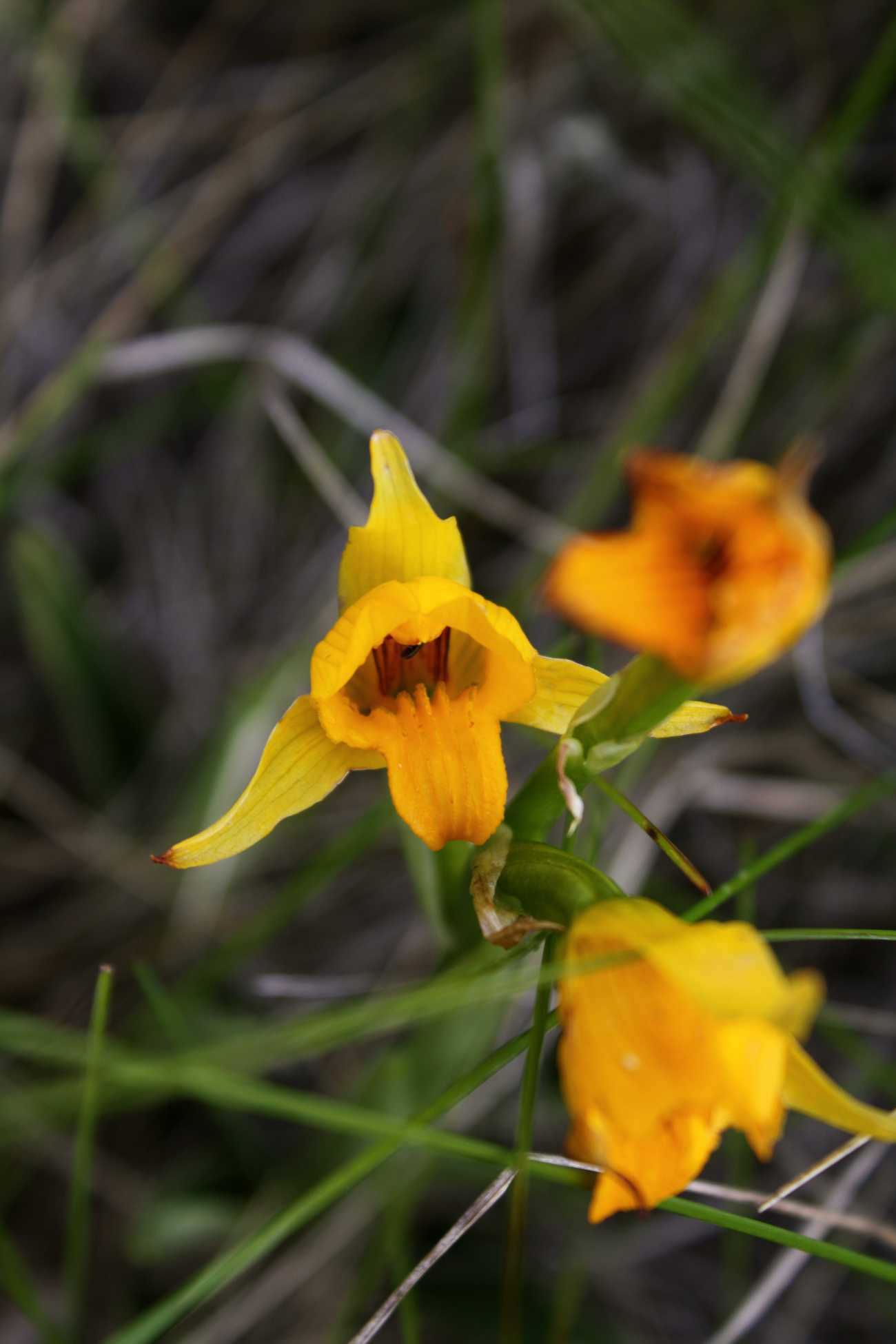
The next morning, Kelly gave her Natural History workshop as well, with hers focusing on local edible and medicinal plants. It was a great talk that got us all excited to find samples around base camp. Later that day even, we found some of the species she mentioned in her talk such as Indian Bread and Calafate. Indian bread is an edible fungus that grows on Lenga trees, which are in the immediate area, and Calafate is an extremely prevalent, thorny bush, whose berries are both edible and treat diarrhea. The rest of the afternoon was devoted to reading articles for the following day, and to work on our newest essay assignment for the class Humans and the Environment. 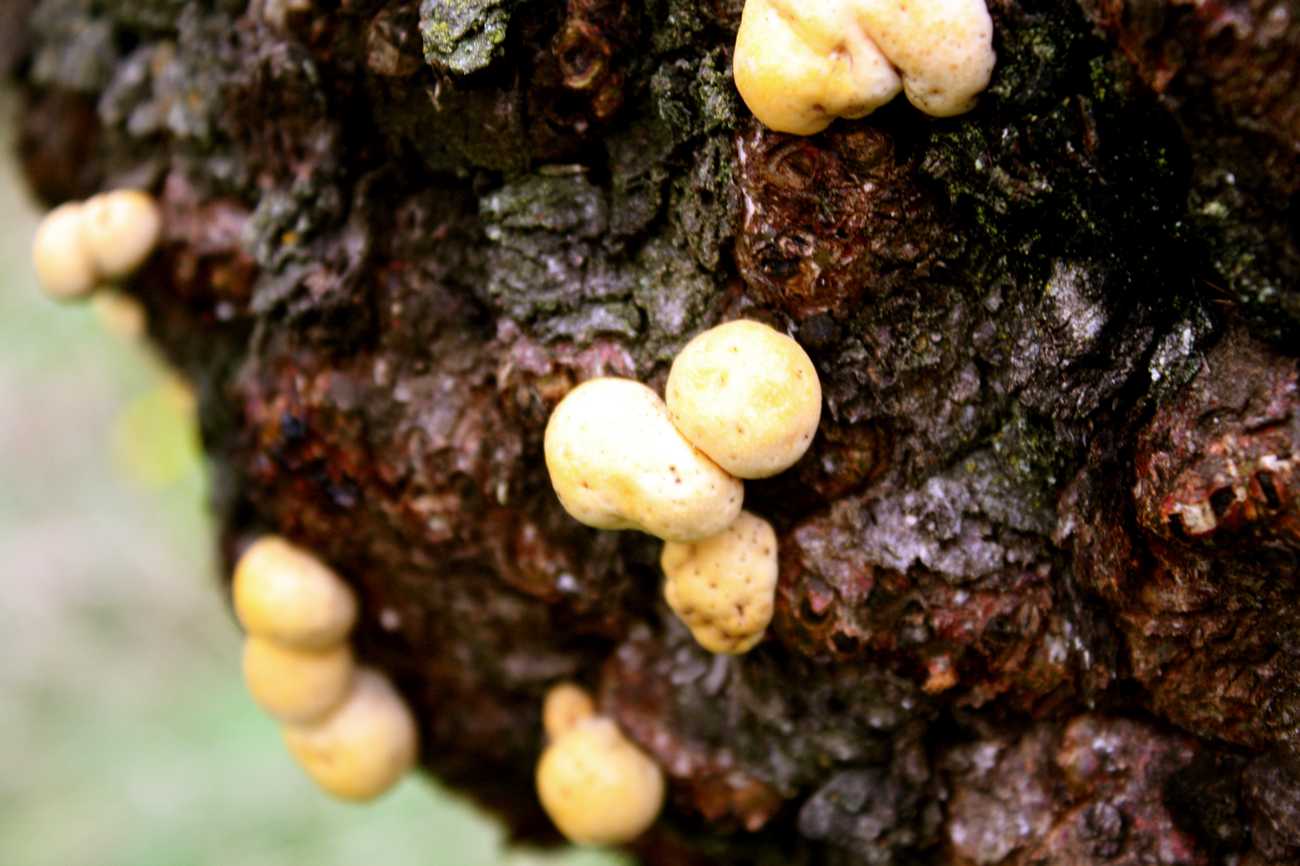
Considering the amount of academics we had to get though, Sunday was also mostly devoted to lectures and discussions, with a very interesting series of articles leading up to a great lecture on human and wildlife conflicts given by Kari. It was a surprising and thought provoking subject, with many alarming statistics (for example, 28 billion dollars are spent on human wildlife conflict in the U.S. PER YEAR!).
Later, after dinner, Heidi lead another interesting discussion, this time on a scientific paper about the rates and causes of lamb predation in Argentinean Patagonia. The more time we spend here, the more interesting these types of articles become. There is always something new and interesting to learn about this Patagonia, and the discussions are becoming longer, more detailed, and more passionate.
The following day was one of the best yet, in my book. In the morning the group headed to CP headquarters, where we had the immense pleasure of meeting Cristián, the wildlife manager of the park. He very kindly took us on a trip to see, and learn to identify, Austral Vizcacha habitat in the area, as well as (hopefully) see a few.
Austral Vizcacha are an endangered species, that to me look quite a lot like a mix between a large squirrel and a rabbit, with long, bushy tails, and small, rabbit-like ears. According to Cristián, between the Puma and Huemul programs at CP, there hasn’t been substantial time to track and record the various Vizcacha communities in the area, and he would like us to try to do a survey or two. It was an extremely successful outing, with the group seeing ~6 Vizcacha at the first site alone.
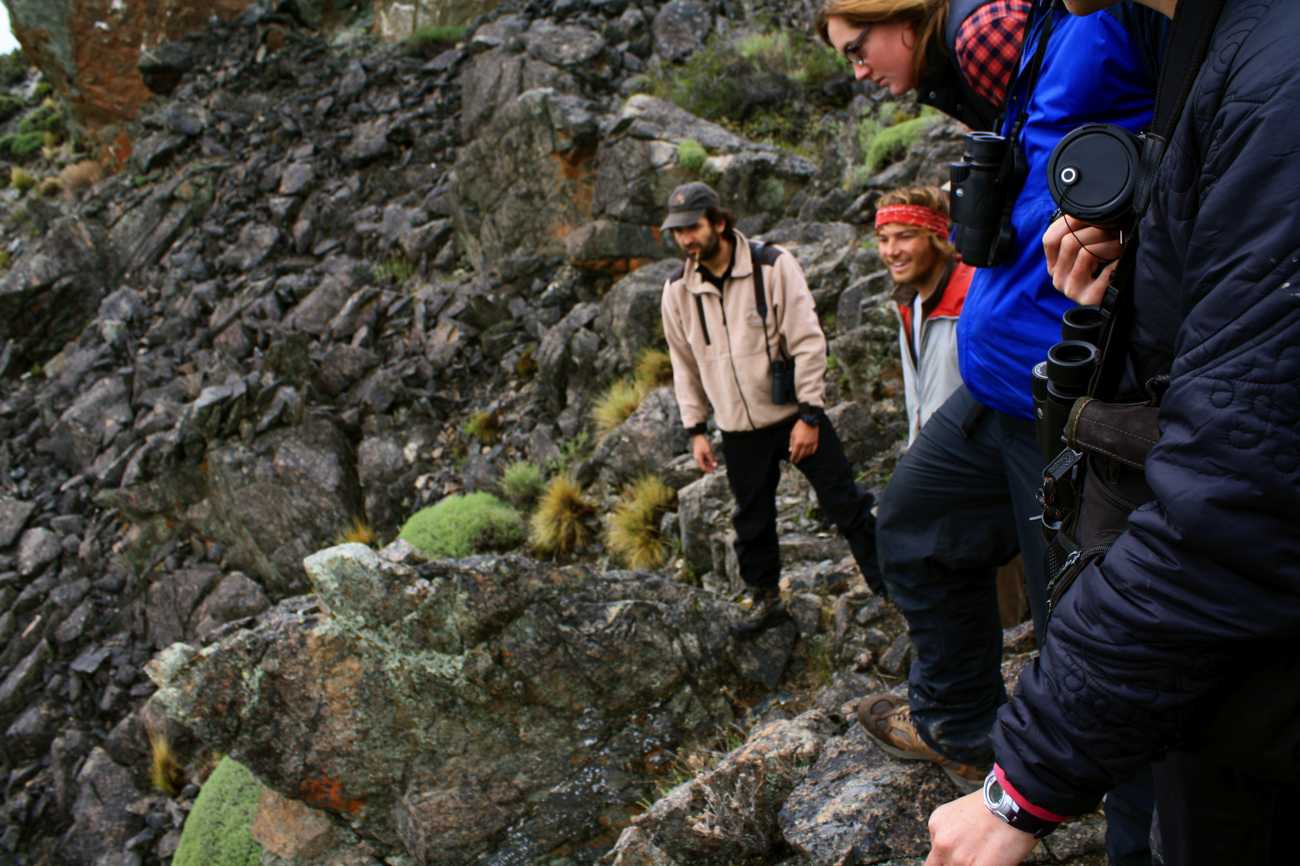
We returned to Los West Winds for lunch, but came back to CP in the afternoon to see a few more sites, as well as visit some restoration areas with Luigi, CP’s restoration coordinator. It was an afternoon full of the information we’ve all been dying to hear about, with Luigi going into great detail about the restoration efforts in the valley. We visited roughly 5 sites, including 2 more Vizcacha habitats before returning to CP to watch a short video about the creation of the park. It was a very inspiring day, with both Luigi and Cristián being extremely knowledgeable and kind, and very willing to answer all of our (many) questions. With this being our first extended interaction with CP, everyone was thrilled with the day, and we returned to base camp tired, inspired, and excited for the next encounter with them. 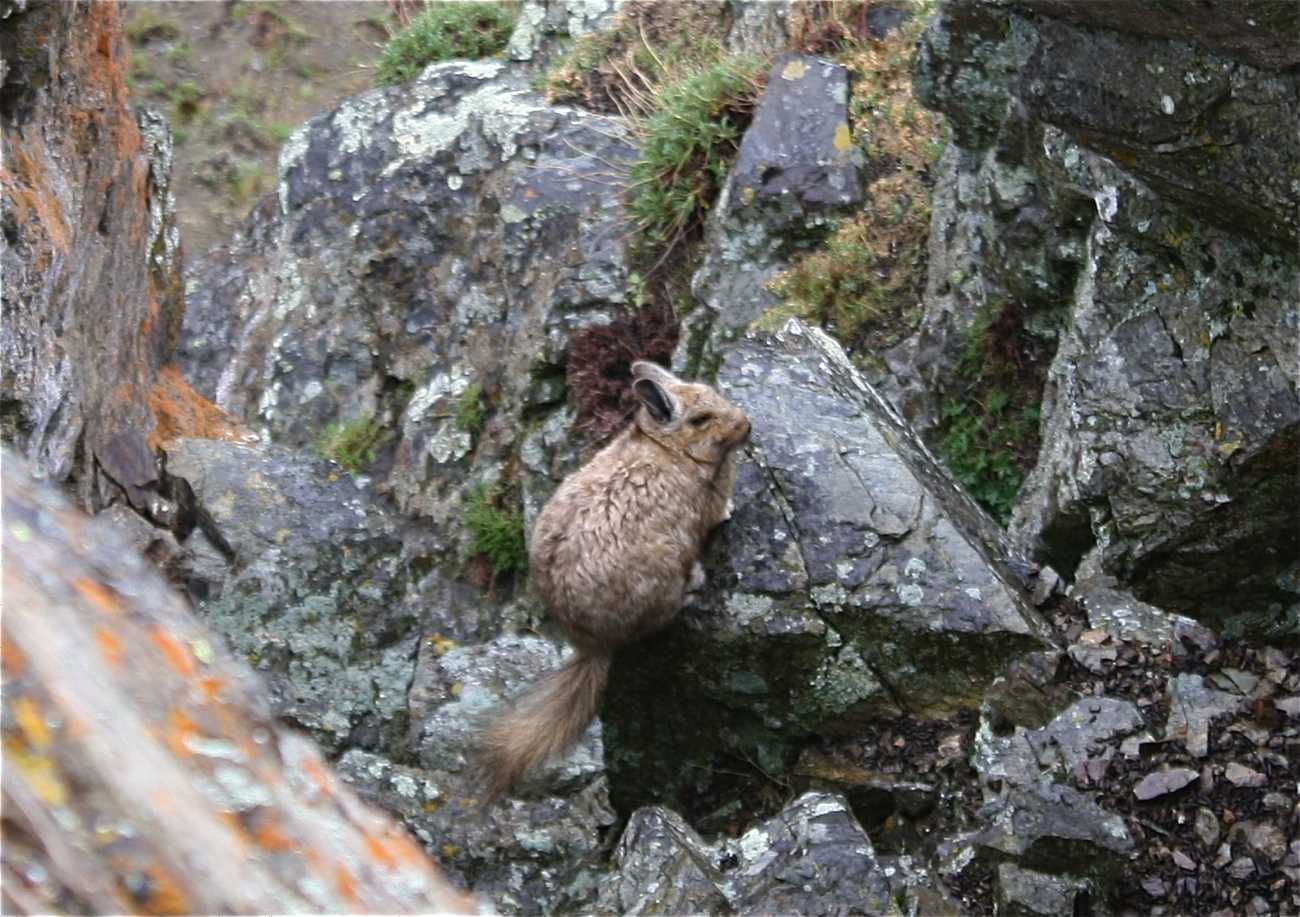
Today, we’re all obviously excited about the election, but we were distracted most of the morning by another fascinating presentation by Cristián, who this time went into more detail about the future Patagonia National Park and Conservación Patagonica’s puma conservation program, in which they monitor local individuals and their interaction with neighboring farms and the endangered Huemul populations. Afterwards, we shared a bit of our work as well, showing Cristián a brief presentation we made, summarizing the species seen during our bird surveys. It was really awesome for the group to be able to share our experiences with a biologist that is working so closely with the park. It really made us feel involved in CP’s efforts and the development of the park itself.
And now, I find myself huddled in the main office with our whole group, waiting anxiously for news of the presidential election in the states. The Internet here is a bit slow, so information is limited, but every few minutes we get a new number, percentage, or result, followed by boos and cheers. Considering this is most of our first presidential elections that we were actually able to vote in, it’s a big night, and we can’t wait to hear the news in the morning.
Until next week, signing off from Patagonia!